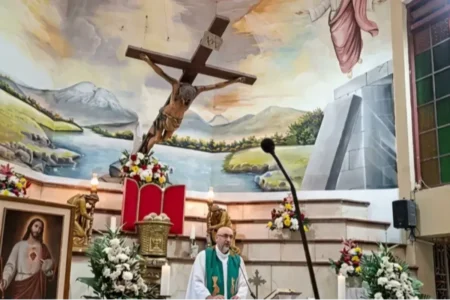
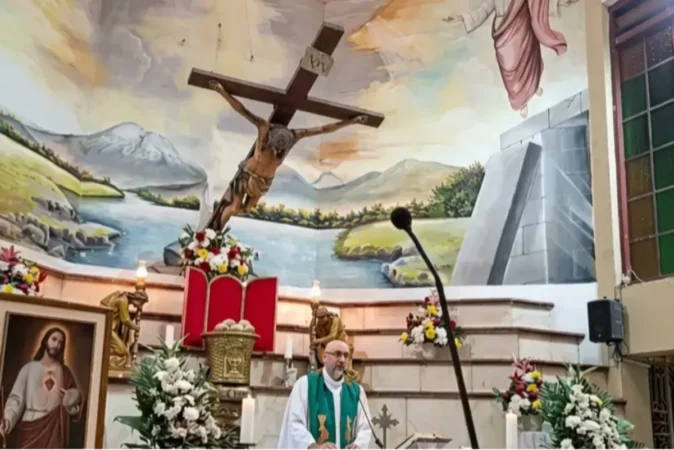



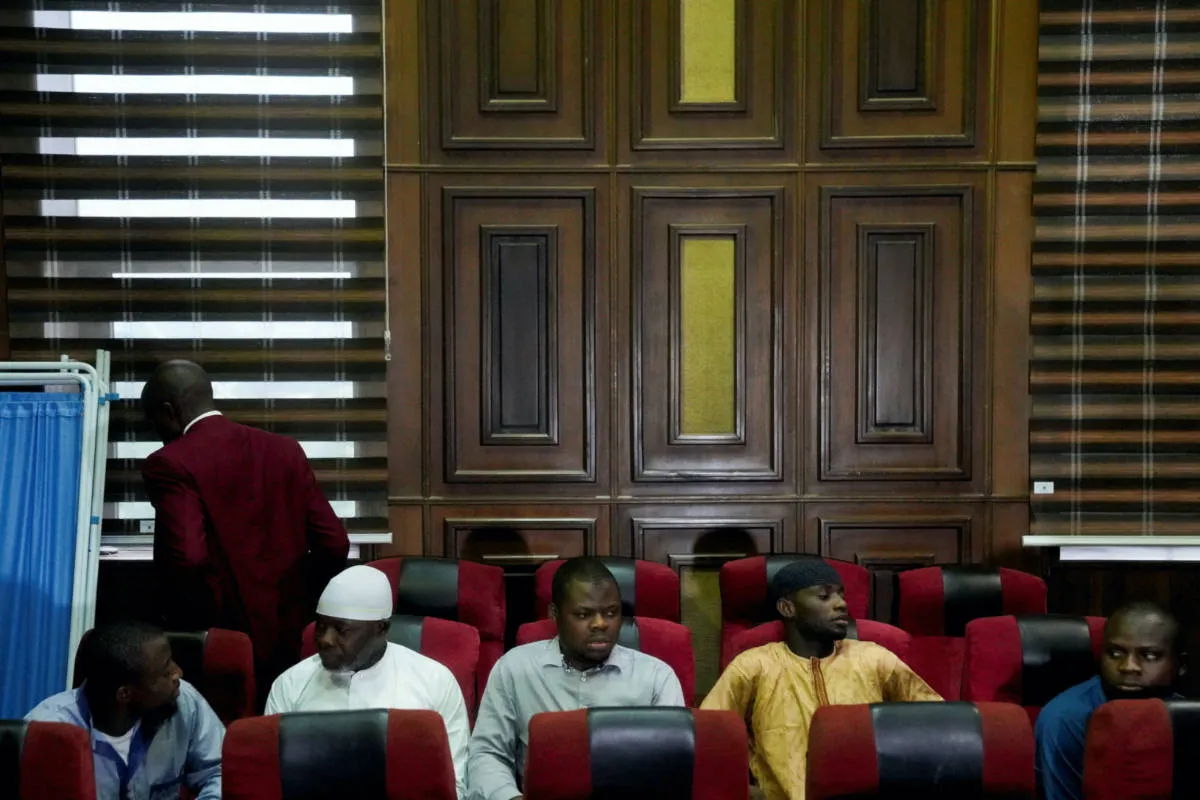
ABUJA, Nigeria — An Abuja court has sentenced four men to death for their role in the 2022 attack on a Catholic church in south-western Nigeria that left 41 worshippers dead and more than 100 others injured during a Pentecost service.
The Federal High Court in the capital convicted Idris Abdulmalik Omeiza, Al Qasim Idris, Jamiu Abdulmalik and Abdulhaleem Idris over the deadly assault on St Francis Catholic Church in Owo, Ondo State — an attack that triggered national outrage and intensified concerns over insecurity in Nigeria.
In addition to the death penalty for murder-related charges, the four were also handed 20-year prison sentences for membership of a terrorist organisation.
Delivering judgment, Justice Emeka Nwite said the prosecution had proved its case beyond reasonable doubt, noting that evidence presented in court was “neither shaken nor contradicted during cross examination”.
The judge said testimony from witnesses, including survivors of the attack, helped establish the role of the defendants in the killings. One witness, a woman who survived the blast, told the court she lost both legs below the knees and her left eye after an explosive device detonated during the attack.
“Hence this court finds the first to fourth defendants guilty of all nine counts,” the judge ruled.
The charges included terrorism, conspiracy, membership of a terrorist group, and participation in the planning and execution of the attack.
The defendants’ lawyer said the ruling would be appealed, maintaining that the accused had not received a fair trial.
During proceedings, the men alleged they were tortured while in custody, including beatings and electric shocks. The court, however, relied on prosecution evidence in reaching its verdict.
A fifth defendant, Momoh Otuho Abubakar, was acquitted due to insufficient evidence linking him directly to the attack. Prosecutors had accused him of financing the operation through alleged transfers of 800,000 naira, claims he denied, insisting the funds came from his farming and cooperative business activities.
The attack on St Francis Catholic Church in June 2022 remains one of the deadliest assaults on a place of worship in Nigeria in recent years. Gunmen opened fire and reportedly used explosives during a Sunday service, killing dozens of worshippers and injuring many more.
The violence underscored Nigeria’s worsening security crisis, marked by repeated attacks from armed groups, bandits and extremist organisations across different regions.
Since the Owo massacre, Nigeria has continued to experience sporadic attacks on churches and rural communities, particularly in the country’s north and central regions.
The violence has fuelled international debate over religious persecution in Nigeria. Former US President Donald Trump has previously accused the Nigerian government of failing to protect Christian communities, while some right-wing groups in the United States have described the killings as targeted religious violence.
However, conflict monitoring organisations and analysts argue that the majority of victims of armed violence in Nigeria are Muslims, particularly in areas affected by jihadist insurgencies and banditry.
Also Read: Trump orders military ‘action’ prep against Islamist militants killing Christians in Nigeria
The Nigerian government has consistently rejected claims of systematic persecution of Christians, stating that insecurity in the country affects citizens across religious and ethnic lines.
The convicted men are expected to pursue an appeal, meaning the case may continue to move through Nigeria’s judicial system.
Under Nigerian law, death sentences require presidential assent before they can be carried out, and executions have not been implemented in the country for several years.
The ruling closes a major chapter in a case that has remained a national symbol of Nigeria’s struggle with violent extremism and the broader challenge of restoring security across vulnerable regions.