





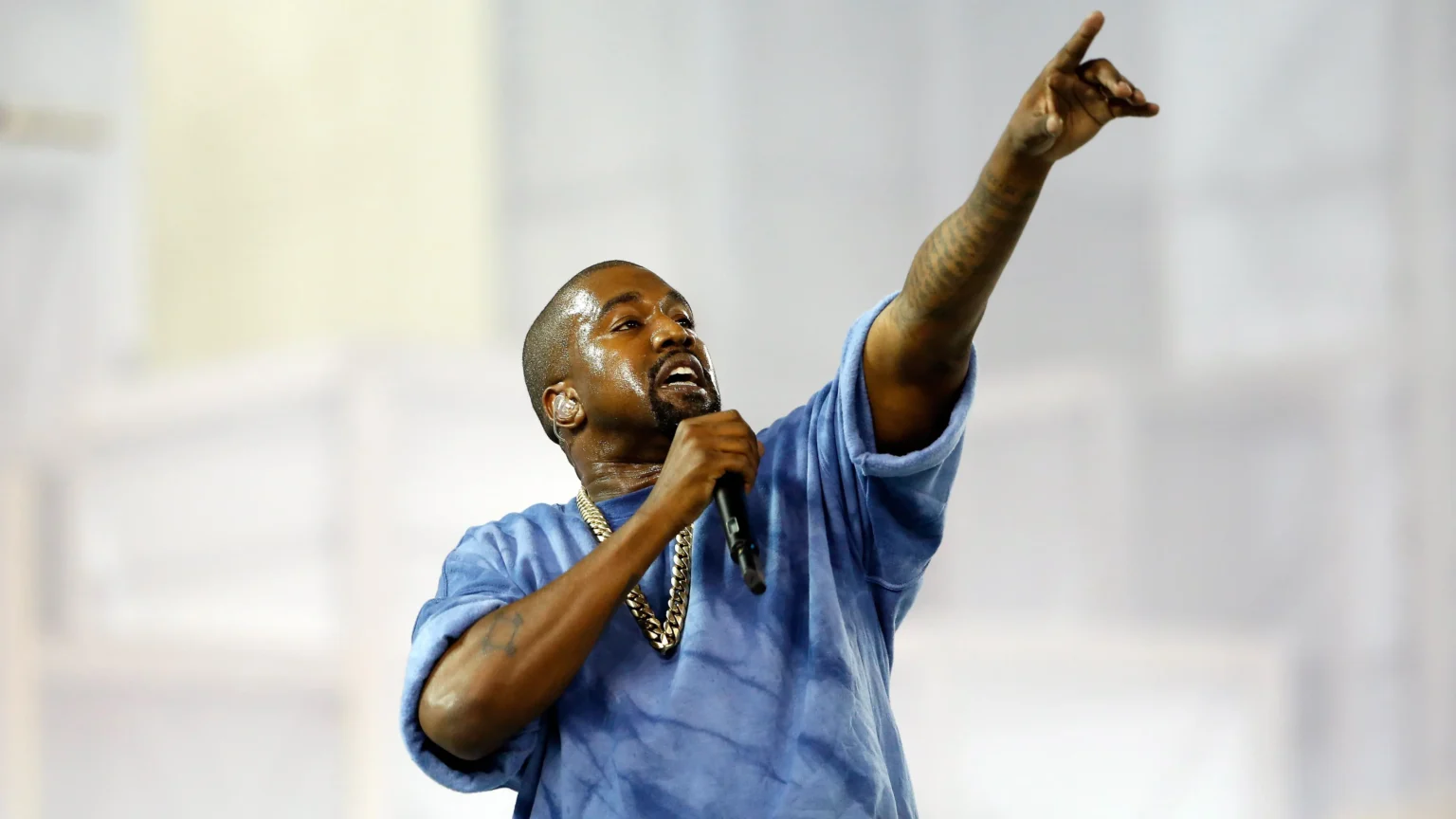
AMSTERDAM, Netherlands — U.S. rapper Kanye West, who now goes by the name Ye, is set to perform in the Netherlands next month after Dutch authorities said there were no legal grounds to deny him entry despite widespread controversy surrounding his past antisemitic remarks and expressions of admiration for Nazism.
The decision follows calls by several Dutch lawmakers urging the government to block the rapper from entering the country over statements that previously triggered international condemnation and led to cancellations of performances in multiple countries.
Dutch migration authorities, however, said legal assessments conducted by the government did not justify barring the artist from entering the country.
“Solid grounds are needed to bar people from entering the Netherlands. We have not found those in the analyses that were conducted,” Dutch migration official Bart van den Brink said on Friday.
He added that Ye’s past statements were currently insufficient under Dutch law to deny him access to the country.
First European concerts in years
According to venue organisers, Ye is scheduled to perform at the GelreDome in the Dutch city of Arnhem on June 6 and June 8.
The performances would mark his first concerts in Europe since 2014.
Local authorities in Arnhem said no formal requests for demonstrations or protests linked to the concerts had been submitted as of Friday.
Global backlash over controversial remarks
The 48-year-old rapper has faced mounting international backlash in recent years over repeated antisemitic comments and public statements praising Adolf Hitler and Nazism.
The controversy intensified further following the release of a song titled “Heil Hitler,” which drew widespread criticism from Jewish organisations, political leaders, and anti-hate advocacy groups.
Several countries and event organisers have since distanced themselves from the artist.
In April, Britain reportedly denied Ye entry into the country, citing concerns that his presence would not be conducive to the public good. The decision forced the cancellation of his planned appearance at a London music festival.
A planned concert in Marseille, France, was also postponed after reports that French authorities sought to block the event, while another scheduled performance in Poland was later cancelled.
Ye later issued apology
Earlier this year, Ye attempted to publicly distance himself from some of his previous remarks.
In January, he published a full-page advertisement in The Wall Street Journal in which he apologised for past behaviour and renounced earlier expressions of admiration for Hitler.
Also Read: Beyoncé’s unreleased music and Cowboy Carter tour plans stolen from car in Atlanta
The rapper attributed some of his conduct to what he described as an undiagnosed brain injury and untreated bipolar disorder.
Despite the apology, criticism and scrutiny surrounding his public statements have continued, with debates persisting over artistic freedom, hate speech, and the responsibilities of public figures.
Debate over free speech and public safety
The Dutch government’s decision is likely to reignite broader European discussions over balancing freedom of expression with concerns about hate speech and public order.
Supporters of the decision argue that democratic societies should apply legal standards consistently, while critics contend that allowing high-profile figures accused of spreading hateful rhetoric to perform risks normalising extremism.
For now, Dutch authorities say the concerts will proceed as planned unless new legal or security concerns emerge before the scheduled performances.
