




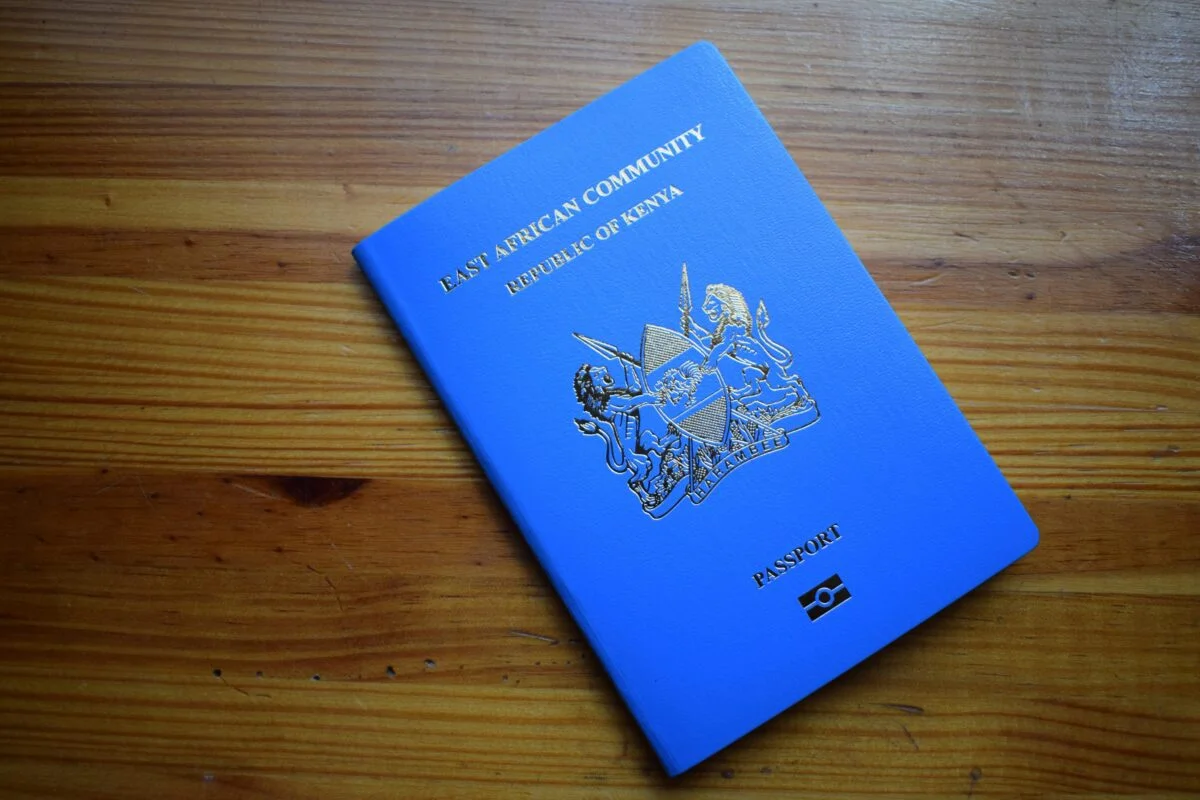
NAIROBI, Kenya — Kenya is increasingly finding itself at the centre of global diplomacy.
From hosting high-level peace talks and leading regional security initiatives to participating in major international forums, the country has steadily expanded its influence beyond East Africa. President William Ruto’s administration has sought to position Kenya as a key voice on climate finance, development reform, peacekeeping and African representation in global decision-making.
Yet for millions of ordinary Kenyans, international mobility remains one of the most difficult aspects of engaging with the world.
While Kenyan leaders are welcomed at global summits and increasingly consulted on international affairs, many Kenyan students, professionals, entrepreneurs and tourists continue to face lengthy visa processes, expensive application fees and, in some cases, outright rejection when seeking to travel abroad.
The contradiction raises an uncomfortable question: if Kenya’s global standing is growing, why has that influence not translated into greater travel freedom for its citizens?
The numbers behind Kenya’s passport power
According to the Henley Passport Index, which ranks passports based on the number of destinations holders can access without obtaining a visa beforehand, Kenya remains significantly behind many developed nations.
The Kenyan passport currently provides access to dozens of destinations through visa-free, visa-on-arrival or electronic travel authorisation arrangements. However, it remains far below the world’s most powerful passports.
By comparison, citizens of countries such as France, Germany, Japan and Singapore enjoy access to well over 180 destinations without the need for a traditional visa.
The gap is not merely statistical. It represents differences in access to education, business opportunities, tourism, international networking and global labour markets.
For a Kenyan entrepreneur hoping to attend a trade exhibition in Europe, a student pursuing a scholarship abroad or a researcher invited to an international conference, travel often begins with a visa application process that can take weeks or months and may still end in rejection.
The hidden cost of mobility restrictions
Visa restrictions carry costs that extend beyond the application fee.
Applicants frequently spend money gathering supporting documentation, booking appointments, travelling to embassies and providing proof of accommodation, financial resources and travel history.
For many middle-class Kenyans, the process can be both financially burdensome and emotionally draining.
Unlike citizens of countries with stronger passports, many Kenyan travellers must first convince foreign governments that they intend to return home after their visit.
The burden of proof rests on the applicant.
This requirement reflects broader international concerns around irregular migration, labour mobility and border security. However, critics argue that it creates a system in which individuals are often judged not on their personal circumstances but on the economic and political characteristics associated with their nationality.
For young professionals and students especially, the uncertainty surrounding visa approvals can discourage participation in international opportunities.
Why passport strength matters
Passport rankings are often dismissed as travel conveniences, but they reflect something far more significant.
The ability to move across borders affects access to investment opportunities, educational exchanges, professional development and cultural engagement.
Countries whose citizens enjoy greater travel freedom often benefit from stronger integration into global markets and institutions.
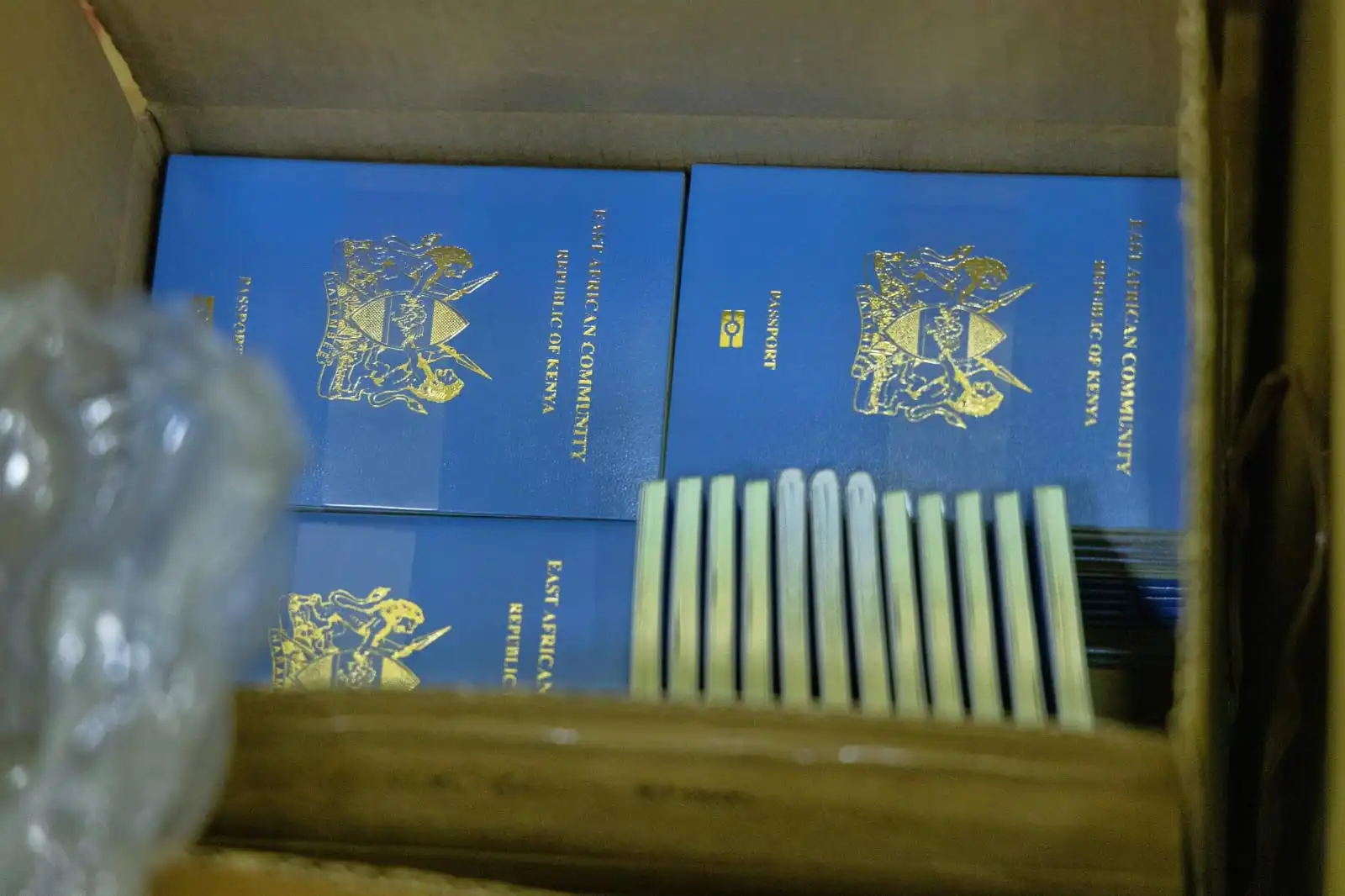
For businesses, mobility facilitates trade and investment.
For students, it expands educational opportunities.
For professionals, it opens access to international careers and networks.
For governments, stronger passport access often signals trust from other nations.
In this sense, passport strength has become an important indicator of a country’s international standing.
The factors that shape visa policies
Visa policies are influenced by multiple considerations.
Security concerns, migration patterns, diplomatic relations, economic conditions and reciprocal agreements all play a role.
Countries generally assess the perceived risk that visitors may overstay visas, seek unauthorised employment or make asylum claims.
As a result, visa policies are often shaped by national-level indicators rather than individual qualifications.
This explains why a highly educated Kenyan professional with stable employment may still face a more demanding visa process than a less qualified traveller from a country with stronger mobility agreements.
The system is not necessarily designed to evaluate individual merit. Instead, it operates through broader assessments of nationality, economic conditions and migration trends.
Africa’s mobility challenge
Kenya’s experience is not unique.
Many African countries continue to face significant mobility barriers despite growing economic and diplomatic engagement.
The African Union has long advocated for greater movement across the continent through initiatives linked to Agenda 2063 and regional integration.
Several African countries have introduced visa-free or visa-on-arrival arrangements for fellow Africans, recognising that mobility can support trade, tourism and economic growth.
However, progress remains uneven.
While some nations have adopted more open visa policies, others continue to maintain restrictive entry requirements even for fellow African citizens.
The result is a continent where intra-African travel can sometimes be as challenging as travelling to Europe or North America.
Can diplomacy improve passport strength?
International examples suggest that passport strength is not fixed.
Countries such as the United Arab Emirates have dramatically improved their passport rankings over the past decade through strategic diplomacy, economic partnerships and reciprocal travel agreements.
Singapore has similarly leveraged economic influence and strong international relationships to secure extensive visa-free access for its citizens.
Also Read: Kenyan passport slips in global ranking amidst shifting travel freedoms
For Kenya, improvements are likely to depend on a combination of factors, including economic growth, diplomatic engagement, security cooperation and bilateral negotiations.
The government’s efforts to expand Kenya’s international profile may eventually contribute to stronger travel arrangements.
However, such changes often take years and require sustained diplomatic investment.
Beyond symbolic recognition
Kenya’s growing international influence is undeniable.
The country has emerged as an important regional power, a key diplomatic actor and an increasingly influential voice in global discussions.
Yet for many Kenyans, that influence remains largely symbolic when measured against the practical realities of international travel.
The contrast between diplomatic prominence and limited mobility highlights a broader challenge facing many developing nations: translating national prestige into tangible benefits for ordinary citizens.
As Kenya continues to strengthen its position on the world stage, policymakers may increasingly face pressure to ensure that international partnerships deliver more than high-level recognition.
For many citizens, the true measure of global influence will not be the number of international summits attended by leaders.
It will be whether a Kenyan passport opens more doors tomorrow than it does today.