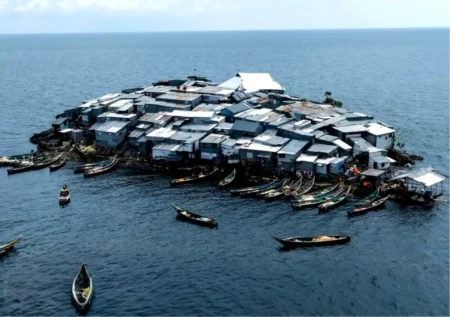




JINJA, Uganda — Health authorities in Jinja district have confirmed a bilharzia outbreak on Kisima I and Kisima II islands in Southern Division, Jinja City, after laboratory tests revealed a high infection rate among residents living along the shores of Lake Victoria.
The islands, located on the boundary between Jinja and Buikwe districts, were placed under heightened surveillance following reports of increasing illness among residents in recent weeks.
The outbreak was officially confirmed after health officials conducted a surveillance exercise last week during which 50 random samples were collected from residents attending five community health sensitisation meetings on the islands.
According to district health authorities, dozens of residents had reported symptoms commonly associated with bilharzia, including fever, headaches, muscle pain, persistent fatigue and blood in stool.
Laboratory analysis later showed that 30 of the 50 samples tested positive for the disease, prompting authorities to formally declare an outbreak.
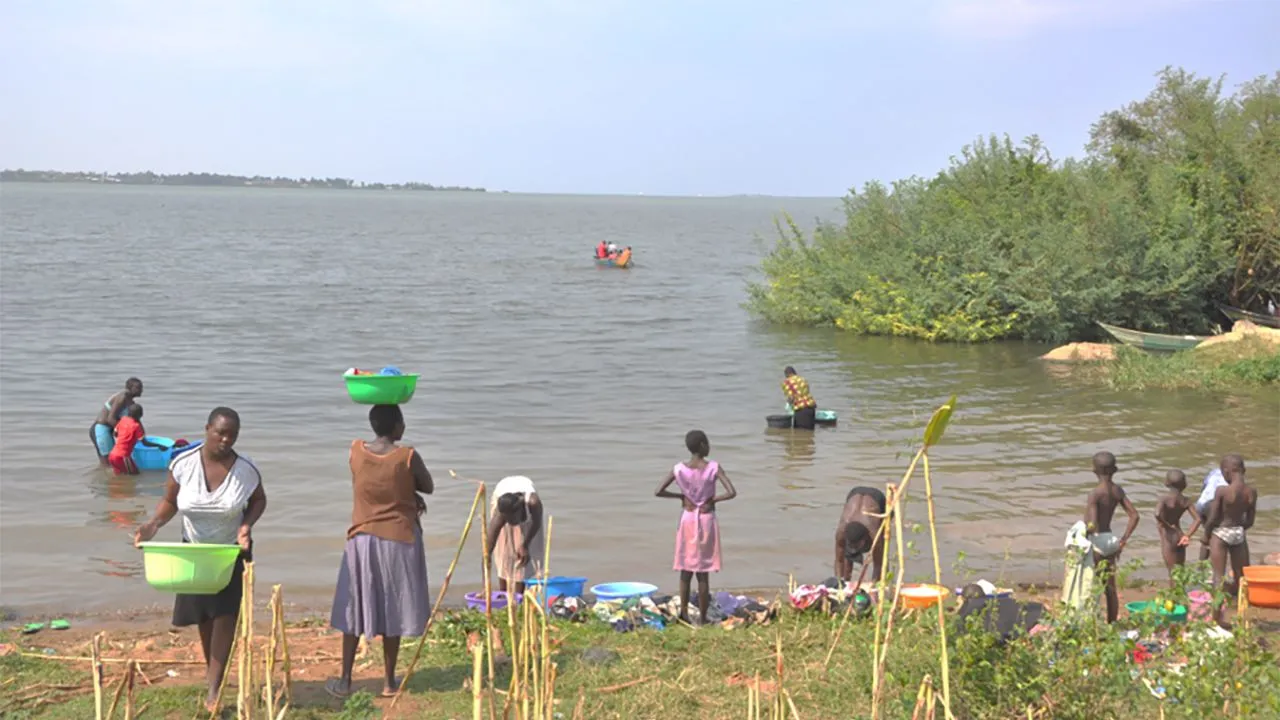
Jinja District Health Officer Fredrick Isabirye attributed the spread of the disease to poor sanitation practices within the island communities, where some residents reportedly defecate near the shoreline while relying on the same lake water for bathing, washing and domestic use.
He warned that bilharzia parasites can penetrate the human body through direct skin contact with contaminated water, potentially leading to severe long-term complications if treatment is delayed.
“Bilharzia can cause chronic damage to internal organs if people do not seek treatment early,” Isabirye said.
He noted that health officials have previously conducted sensitisation campaigns on the islands aimed at improving sanitation and promoting preventive measures, but uptake of recommended practices has remained low.
“We have also promoted routine deworming through local council leaders and village health teams, but the uptake has not been encouraging,” he added.
In response to the outbreak, Jinja City health authorities have placed an emergency order for bilharzia treatment drugs from the National Medical Stores (NMS) through the Ministry of Health.
The medicines are expected to arrive early next month ahead of a planned mass drug administration campaign targeting affected communities on the islands.
“We are going in for mass drug administration as a means of managing bilharzia in Kisima, and our humble request is that all community members embrace the health workers spearheading this campaign because this treatment is meant to help them live disease-free lives,” Isabirye said.
Health officials say the campaign will focus not only on treatment but also on community education aimed at reducing future infections through improved hygiene and sanitation practices.
Meanwhile, some residents have blamed persistent myths and cultural misconceptions for the low uptake of treatment and preventive interventions within the island communities.
Esther Namuddi, a resident of Kisima, said some people associate advanced symptoms of bilharzia — particularly swollen stomachs — with witchcraft instead of illness.
As a result, some residents reportedly seek help from traditional healers rather than health facilities, delaying diagnosis and treatment.
Namuddi urged health authorities to involve cultural leaders and traditional healers in future sensitisation programmes to help counter misinformation and encourage communities to seek medical care.
Also Read: Ebola Outbreak in Uganda: Case Count Rises to Nine
Another resident, Olga Achieng, said language barriers were also undermining public health education efforts on the islands.
According to Achieng, many sensitisation materials are prepared in English and Lusoga, yet a significant section of the island population communicates primarily in Kiswahili and other non-Bantu languages.
She called on authorities to translate health messages into Kiswahili and expand awareness campaigns through community radio stations to improve outreach among the islands’ highly mobile fishing and trading communities.
Public health officials warn that without sustained awareness, sanitation improvements and routine treatment campaigns, bilharzia could continue spreading within vulnerable communities around Lake Victoria.