

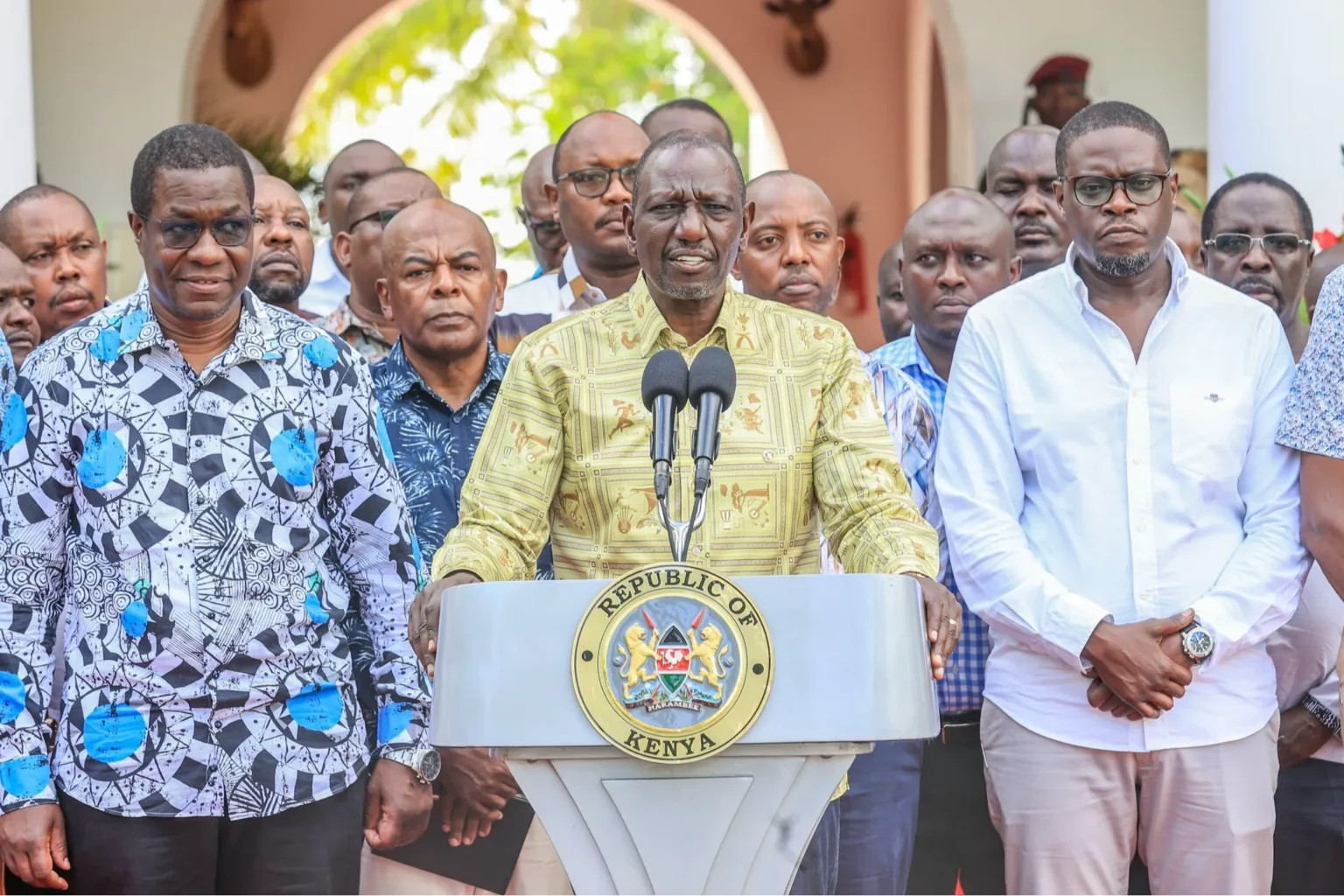
MOMBASA, Kenya — President William Ruto has announced a series of measures aimed at easing pressure on Kenya’s transport sector, as operators called off a nationwide strike following high-level talks at State House, Mombasa.
The intervention comes after days of disruption triggered by rising fuel prices, which had paralysed public transport and affected businesses across the country.
Speaking on Friday, May 22, Ruto said the government had taken note of concerns raised by transport operators, drivers and logistics workers, and would continue engaging stakeholders to develop practical solutions.
“To our transport operators, drivers, and logistics workers, we hear your concerns… No Kenyan should feel abandoned in this moment,” he said.
Among the immediate measures, the President directed the Ministry of Transport to engage financial institutions to explore temporary relief on loan repayments for operators affected by the fuel price crisis.
He also instructed the ministry, in collaboration with the Insurance Regulatory Authority, to address challenges in insurance claims processing and to review key legislation, including the Insurance Act and Auctioneers Act, within three months to create a more responsive regulatory framework.
Ruto further directed the National Transport and Safety Authority (NTSA) to engage ride-hailing platforms and drivers in developing regulations on minimum fares, in a move aimed at resolving long-standing disputes in the digital transport sector.
In a parallel directive, he also called for a balanced approach to matatu regulation, instructing NTSA to allow graffiti and artistic expression on public service vehicles within a safety-compliant framework.
The announcement coincided with a decision by the Federation of Public Transport Sector to formally end the nationwide strike.
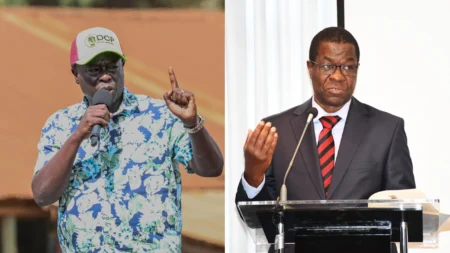
Federation chair Edwin Mukabana said operators, drivers and conductors had been instructed to resume services immediately.
“I am announcing to all our members… that the strike we had suspended has now been fully called off. We expect this to take immediate effect,” he said.
The strike had been scheduled to resume on May 26 following earlier protests over fuel price increases.
As part of the intervention, Ruto announced a further reduction of Sh10 per litre in the price of diesel for the June–July pricing cycle, with prices in Nairobi expected to fall to Sh222.92 from June 15.
He said the government had already spent Sh28.19 billion on fuel stabilisation through subsidies and tax relief measures, while the government-to-government (G2G) fuel import arrangement had helped maintain supply stability.
Also Read: Kennedy Kaunda, man behind ‘with all due respect’ meme denies he was paid to end strike
However, the President maintained that taxes on petroleum products could not be fully removed, noting their importance in funding key sectors such as health, education and infrastructure.
The developments follow several days of unrest linked to the rising cost of living, during which protests disrupted transport networks and business activity. At least four people were reported killed, with property damage recorded in several areas.
Ruto said the government would continue working with stakeholders to develop sustainable, long-term solutions, including promoting electric mobility as an alternative to reduce dependence on fossil fuels.