




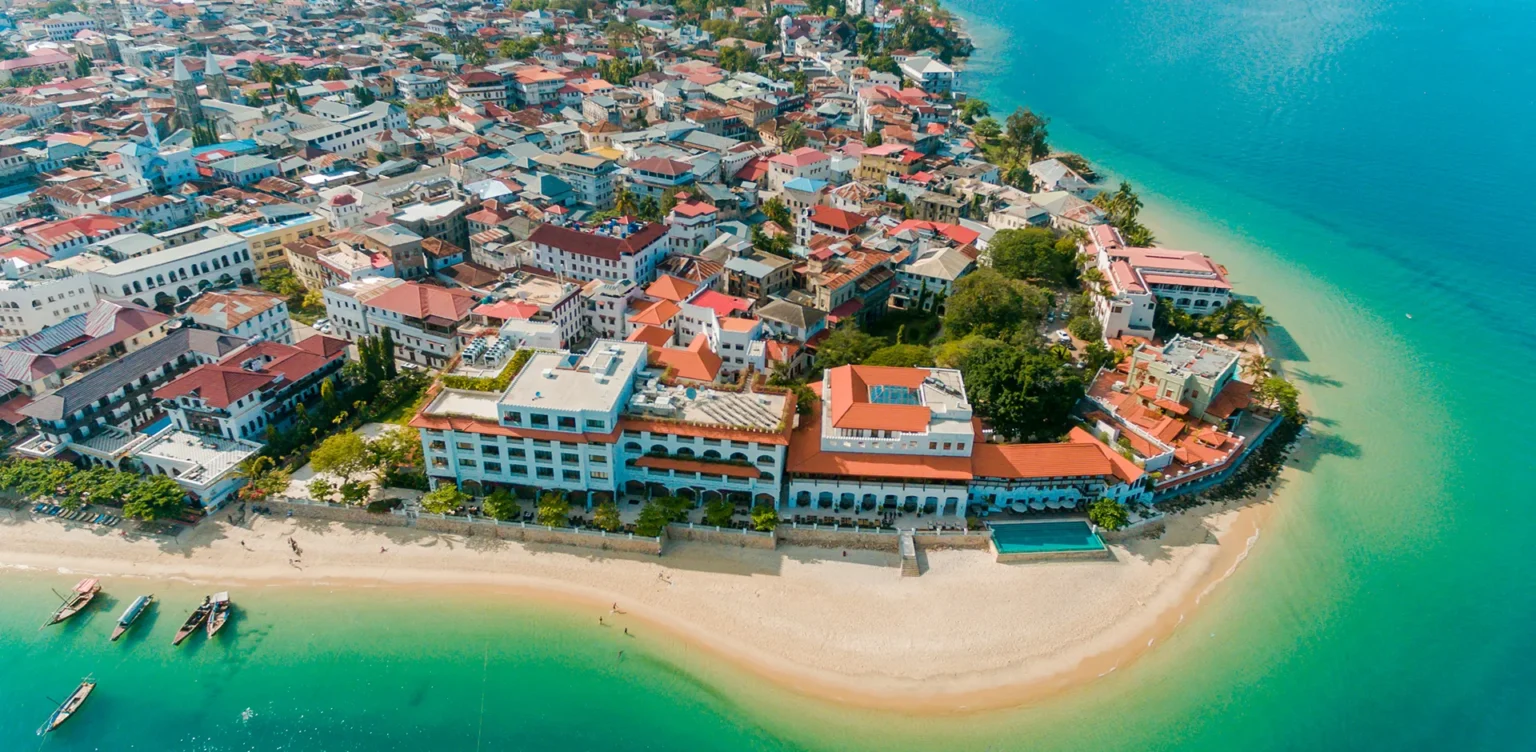
ZANZIBAR, Tanzania — Once known primarily for its spice trade and historical ties to the Indian Ocean world, Zanzibar is now emerging as one of Africa’s most sought-after tourist destinations, drawing travellers from Europe, the Middle East, and increasingly, across Africa itself.
The semi-autonomous archipelago, located off the coast of Tanzania, has seen a steady rise in international arrivals, driven by a combination of pristine beaches, cultural heritage, and expanding global visibility through social media and travel influencers.
At the heart of Zanzibar’s appeal is its diversity.
Visitors can move seamlessly from the labyrinthine alleys of Stone Town, a UNESCO World Heritage Site rich in Swahili, Arab, and colonial history, to the white sandy beaches of Nungwi and Kendwa, where turquoise waters and dhow-lined horizons define the island’s postcard image.
For many travellers, Zanzibar offers something increasingly rare: a destination that blends relaxation with cultural depth.
Stone Town, with its intricately carved wooden doors, bustling bazaars, and historic sites, tells the story of centuries of trade, migration, and cultural exchange.
Meanwhile, the island’s famed spice farms continue to attract visitors eager to experience the origins of cloves, nutmeg, and cinnamon—products that once shaped global commerce.
But beyond its natural beauty and history, Zanzibar’s tourism growth is also being fuelled by strategic positioning.
Tanzania has increasingly promoted the island as a complementary destination to its world-renowned safari circuits, encouraging visitors to combine wildlife experiences with coastal retreats.
This “bush-to-beach” model has proven particularly attractive to long-haul travellers seeking varied experiences within a single trip.
At the same time, improved air connectivity and visa policies have made Zanzibar more accessible.
Direct flights from major international hubs, coupled with growing regional travel, have expanded the island’s reach beyond traditional European markets.
However, the rapid growth has not come without challenges.
Local authorities and tourism stakeholders are grappling with issues related to sustainability, infrastructure pressure, and environmental conservation.
Rising visitor numbers have increased demand for water, waste management, and coastal protection, raising concerns about the long-term impact on fragile ecosystems.
There are also ongoing discussions about ensuring that tourism benefits are more evenly distributed among local communities.
While high-end resorts continue to attract international investment, small businesses and local entrepreneurs are seeking greater participation in the sector’s growth.
Despite these challenges, Zanzibar’s trajectory remains strong.
Travel trends indicate a growing preference for destinations that offer authenticity, cultural immersion, and natural beauty, qualities that Zanzibar delivers in abundance.
Also Read: UK lifts travel advisory for Uganda’s Queen Elizabeth and Semuliki National Parks
The island is also benefiting from a broader shift toward African tourism, as travellers increasingly look beyond traditional destinations in Europe and Asia.
For East Africa, Zanzibar’s rise underscores the region’s potential as a global tourism powerhouse.
From Kenya’s savannahs to Rwanda’s gorilla trekking experiences, and Tanzania’s iconic landscapes, the region offers a diverse portfolio capable of attracting a wide range of travellers.
As Zanzibar continues to gain global attention, the focus will increasingly turn to sustainability, inclusivity, and long-term planning.
For now, however, the island’s blend of history, culture, and coastal beauty is proving irresistible, cementing its place as one of Africa’s most compelling travel destinations.