



KAMPALA, Uganda — Power rarely announces itself through official titles alone. More often, it is revealed through conduct, how leaders act when authority becomes entrenched and scrutiny begins to fade.
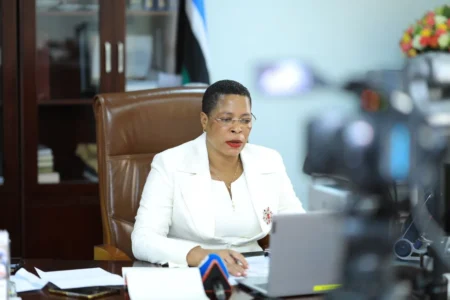
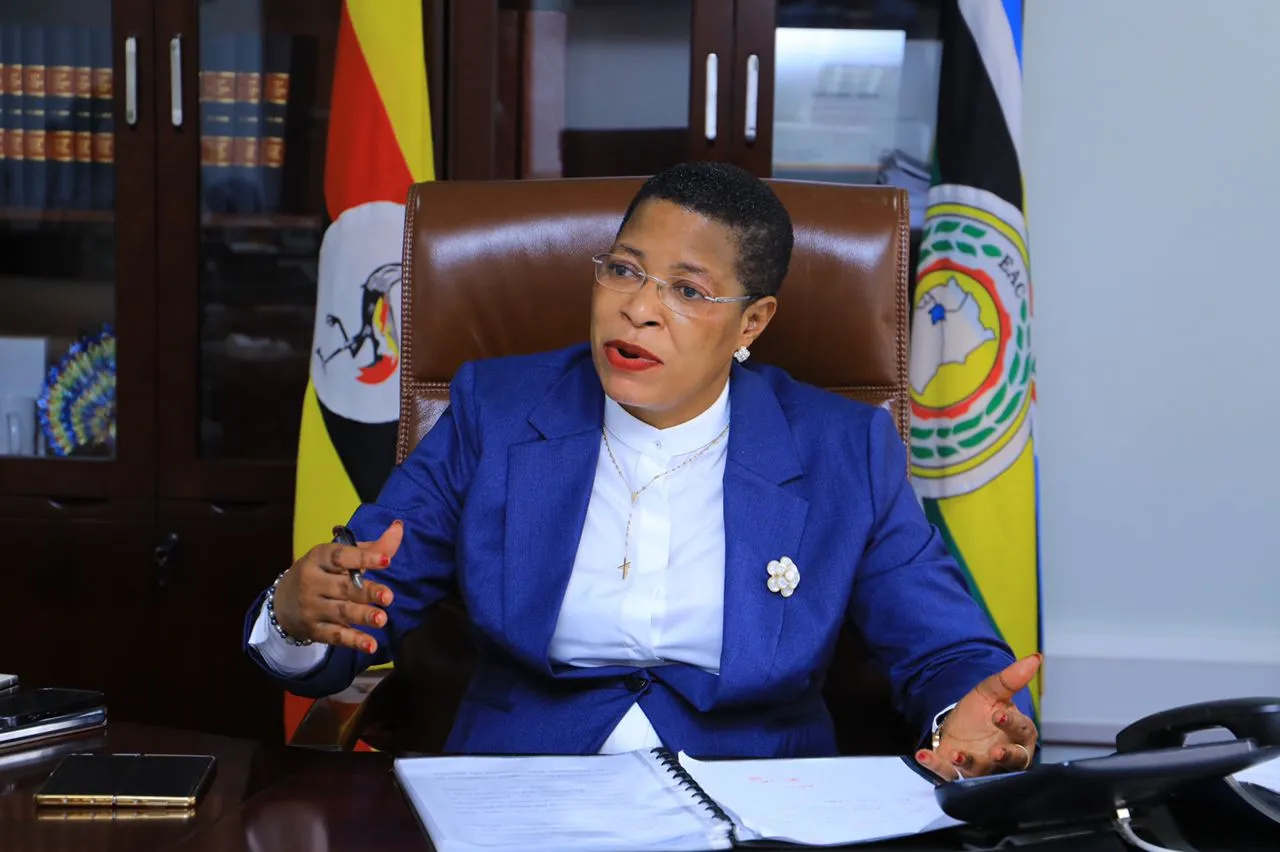
The dramatic political unravelling of former Speaker Anita Annet Among has triggered a broader national debate that goes beyond the immediate allegations facing her.
At its core lies a more difficult question: what happens when power begins to foster a sense of invulnerability?
The investigations into Among’s wealth and asset declarations have dominated headlines in recent weeks. But the wider significance of the moment lies not only in whether those allegations are proven.
It lies in what her rise—and sudden fall—reveals about the exercise of power within Uganda’s political system.
For several years, Among symbolised a new, assertive force within the country’s governing establishment. Her leadership style was marked by visibility, decisiveness and a strong command over parliamentary processes.
Supporters saw this as effective leadership. Critics, however, increasingly pointed to what they viewed as an emerging pattern of institutional overreach.
The office of Speaker is designed to safeguard the independence of Parliament. Yet concerns grew in some quarters that the boundary between the legislature and the executive was becoming less distinct.
During debate on the Protection of Sovereignty Bill, procedural interventions attributed to the Speaker raised questions about the balance between process and personality.
While such moments may appear technical, governance systems tend to weaken when institutional rules become secondary to individual authority.
Equally significant has been the role of public perception.
Reports of luxury assets, including high-end vehicles and designer attire at official events, became powerful symbols in a country where many citizens face economic pressure, rising living costs and limited opportunities.
In political terms, symbolism often carries weight equal to evidence. Displays of wealth, particularly in periods of economic strain, can rapidly shift public sentiment.
Arrogance, in such contexts, is not always expressed in words. It is often interpreted through actions, appearances and lifestyle.
The unfolding events have also revived a long-standing concern within Uganda’s political discourse: the perception of selective accountability.
Questions are being asked about why certain allegations gain urgency only after political alliances begin to shift.
Political analyst Yusuf Serunkuma has framed the issue starkly, arguing: “We are witnessing politics masquerading as law enforcement.”
Such views do not invalidate the seriousness of the allegations. However, they highlight a structural challenge—public trust in accountability mechanisms can erode when enforcement appears uneven.
In many political systems, influence is sustained through networks of loyalty, patronage and institutional alignment.
As long as those networks remain intact, scrutiny may be limited. When they weaken, exposure can be rapid and consequential.
This dynamic underscores a deeper institutional question: should accountability depend on political alignment, or should it operate consistently, regardless of power structures?
The issues raised by Among’s case are not unique to Uganda.
Across parts of Africa, political systems have at times incentivised displays of influence, accumulation of wealth and consolidation of authority as markers of success.
In such environments, humility can be perceived as weakness, while restraint may be overshadowed by the demands of political survival.
Over time, this can shift the purpose of public office, from service to entitlement.
The current moment has renewed calls for stronger oversight frameworks, including transparent asset declaration systems and more robust parliamentary safeguards.
Strengthening independent institutions remains central to ensuring that accountability mechanisms function beyond political cycles or alliances.
However, structural reform alone may not be sufficient.
Also Read: Inside Museveni’s meeting that triggered Anita Among probe, political fallout
Ultimately, the sustainability of any governance system depends on political culture.
Public office is, in principle, a temporary mandate, an exercise of delegated authority rather than personal ownership.
When leaders begin to operate beyond restraint or public sensitivity, the consequences may not be immediate. But over time, the erosion of trust can become difficult to reverse.
Among’s withdrawal from the Speakership race marks a significant turning point in Uganda’s political landscape.
Yet its deeper meaning lies in what it signals about power, perception and accountability.
It is a reminder that political authority, however entrenched, remains contingent—and that the absence of humility can, over time, become as consequential as the presence of power.