




NAIROBI, Kenya — At least 225 people have been arrested following protests over rising fuel prices in Nairobi and other parts of the country, Kenya police have confirmed.
Police said the demonstrations were unlawful and disruptive, accusing protesters of blocking roads, damaging property and confronting security officers.
Nairobi Regional Police Commander Issa Mohamud said officers took action after the protests escalated into what he described as riots.
“We have 225 arrests so far. We will charge them with serious offences, economic sabotage, and so many things, and the malicious damage of police vehicles. So, they will face serious consequences of the law,” he said.
He said the protests had not been formally notified to the authorities and therefore did not meet legal requirements for public demonstrations.
“We were not notified; we were not aware, so we were not notified in advance. It was not peaceful, it was armed, so it was illegal,” he said.
According to the police commander, protesters blocked major roads using rocks and other debris, disrupting transport and affecting access to key services.
“They started blocking roads using blocks, rocks and boulders, thus disrupting public order, interfering with the rights of others and other road users, which is illegal and amounts to a breach of the law,” he said.
Mohamud said the unrest extended beyond public order concerns, affecting businesses and transport systems, which authorities classified as economic sabotage.
“There was deliberate obstruction of transport networks and disruption of businesses, and all this constitutes economic sabotage. This constitutes economic sabotage because it is affecting livelihoods and critical services in the capital city,” he added.
The police commander also said security agencies had received intelligence suggesting that some individuals intended to exploit the protests.
“We had credible intelligence that there were hired goons who will be armed with Korean weapons who want to exploit the situation. They wanted to exploit the situation, to loot supermarkets and shops, destroy private and public properties, and cause malicious damage and incite others,” he said.
He added that officers had been deployed to secure infrastructure and maintain order across affected areas.
Police confirmed that six officers were injured during the clashes, with damage also reported to both police and civilian vehicles.
Mohamud dismissed claims that the gatherings were peaceful demonstrations, maintaining that they amounted to criminal activity.
“It was not a protest. It was a riot and with the intention to loot. Nairobi will not be held hostage by lawlessness, and we will not allow criminals to hijack public space or intimidate citizens or destroy properties.”
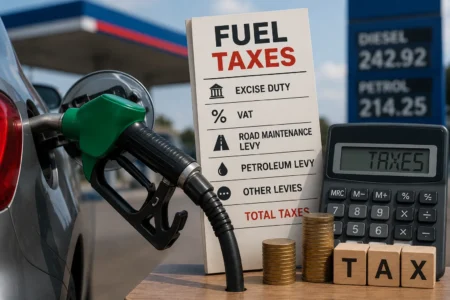
The protests come amid rising fuel prices following recent adjustments by the Energy and Petroleum Regulatory Authority, which have increased pressure on transport operators and households.
Also Read: Fuel price protests paralyses Kenya’s public transport, businesses
Police linked the unrest to broader economic pressures but said such issues should not be addressed through violence.
“When the issue of oil is a global phenomenon, it is not unique to Kenya. Global oil prices, global oil supply has reduced, while demand remains high, pushing prices upwards. These decisions cannot be solved through an unlawful or riotous mob,” Mohamud said.
The arrests are likely to intensify debate over how authorities are managing protests linked to the rising cost of living, particularly fuel prices.
As investigations continue, attention is expected to focus on both the conduct of demonstrators and the broader economic pressures that triggered the unrest.