

KAMPALA, Uganda — Uganda’s newly sworn-in 12th Parliament is set to begin its legislative term with a decisive leadership contest, as the Office of the Clerk confirmed that the election of the Speaker and Deputy Speaker will take place on May 25, 2026.
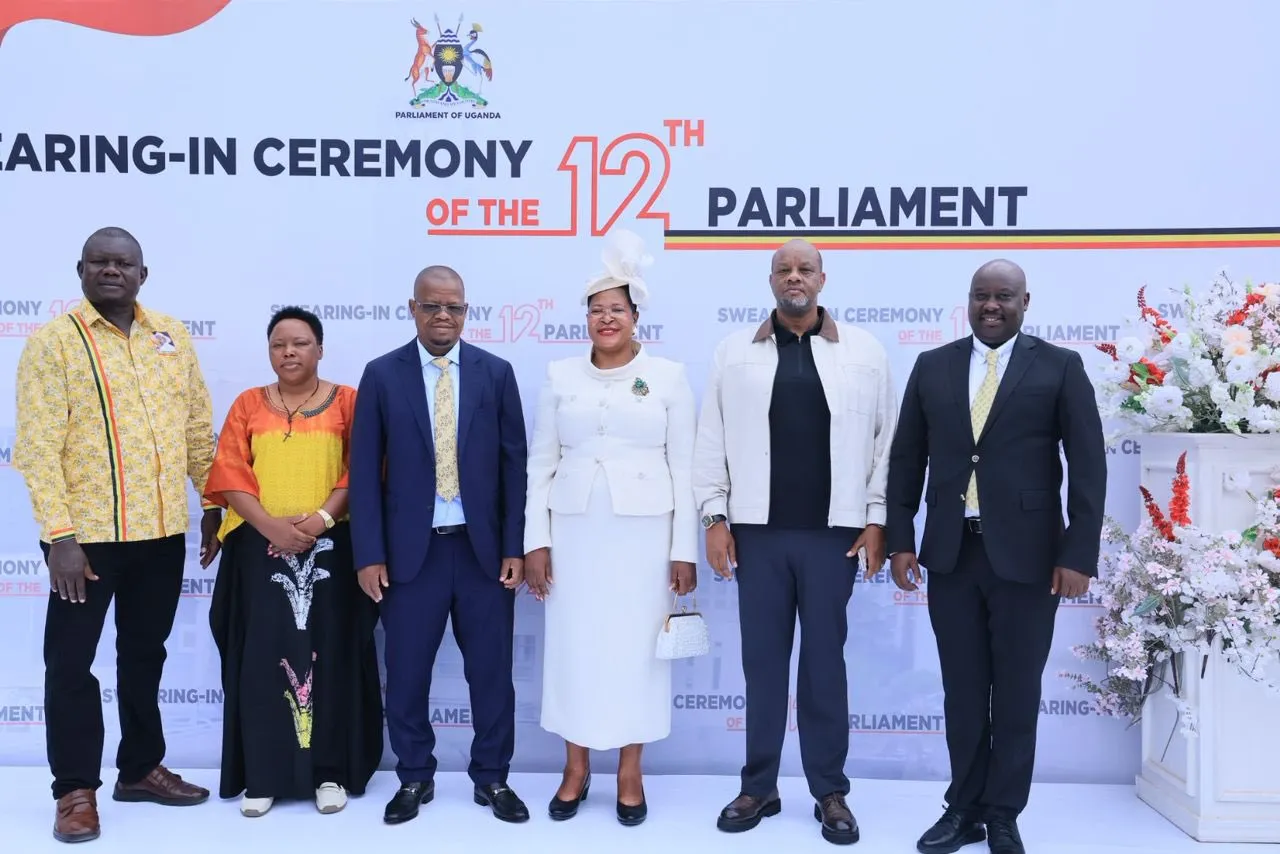
The announcement marks the first major constitutional duty of the new House following the conclusion of the general election cycle and the swearing-in of Members of Parliament scheduled between May 13 and 15.
According to Parliament officials, the election will determine the leadership of the institution for the next five years, shaping how the House engages with legislation, oversight, and executive accountability.
“The election of Speaker and Deputy Speaker will be the first business the 12th Parliament conducts,” officials confirmed in the notice issued by the Clerk’s Office.
The Speaker race comes at a politically sensitive moment, following heightened competition within the ruling National Resistance Movement (NRM) and shifting alliances inside Parliament.
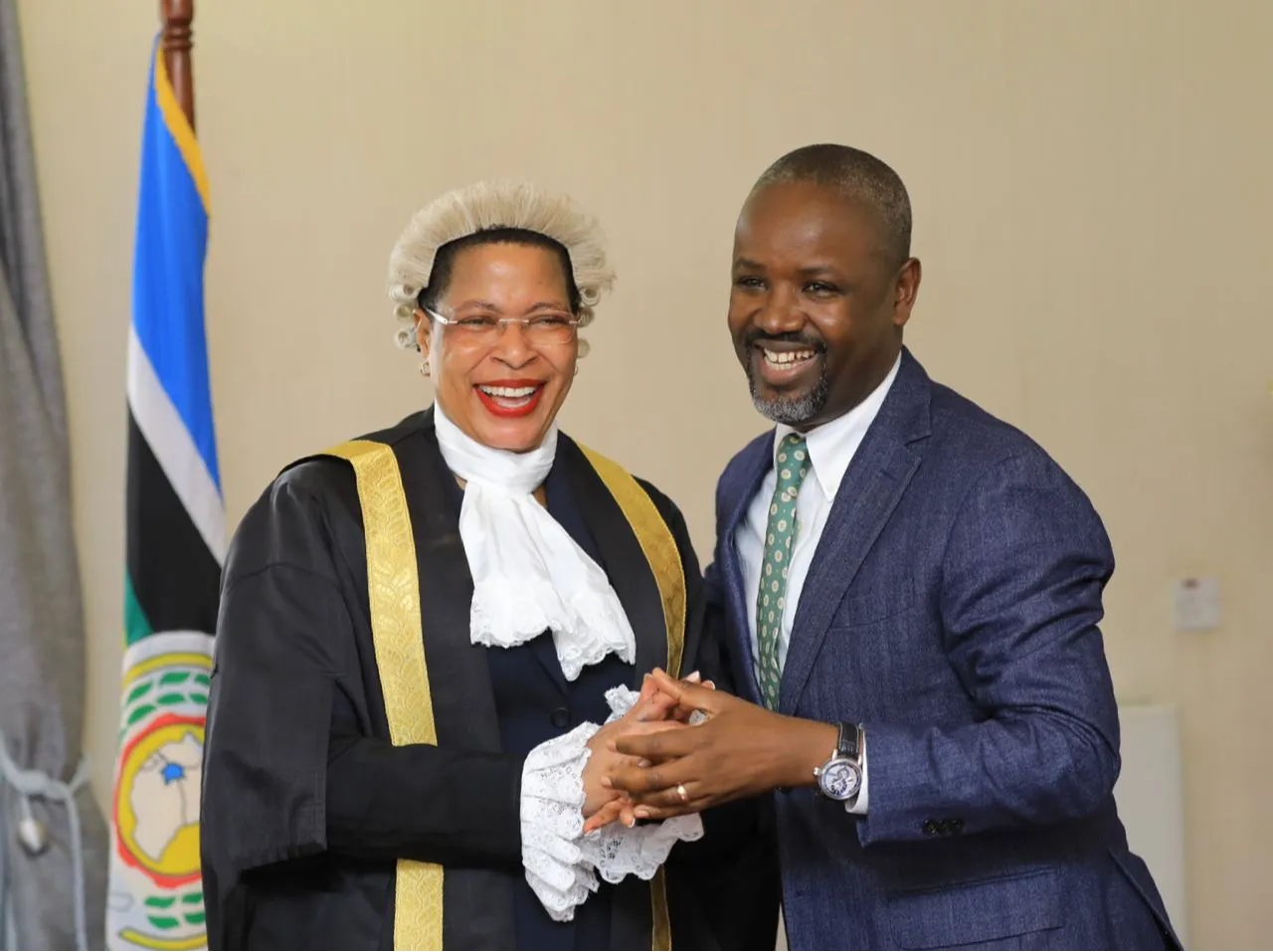
Incumbent Speaker Anita Annet Among and Deputy Speaker Thomas Tayebwa have been central figures in the previous Parliament, but the new race has already drawn multiple contenders and renewed political lobbying across party structures.
Political analysts say the outcome will be closely watched as an early indicator of power alignment between Parliament and the Executive, especially given President Yoweri Museveni’s continued influence over ruling party decision-making.
Recent political developments, including interventions by influential blocs such as the Patriotic League of Uganda (PLU), have further intensified speculation over possible realignments ahead of the vote.
The elections follow Uganda’s general election period, which ushered in a new cohort of MPs expected to sit in the 12th Parliament.
Parliament’s electoral calendar is in line with constitutional procedures requiring all legislators to take oath before conducting any business of the House, including electing their leadership.
Once elected, the Speaker will chair plenary sittings, oversee parliamentary committees, and serve as one of the highest-ranking constitutional officers in Uganda’s governance structure.
While the election is constitutionally procedural, it carries significant political weight.
Also Read: Uganda’s Speaker race is theatre: History suggests nothing will change
In Uganda’s parliamentary history, leadership contests have often reflected broader power negotiations within the ruling establishment, particularly between party structures, executive influence, and emerging political blocs.
Observers note that the Speaker’s office has increasingly played a stabilising—but also strategically aligned—role within Uganda’s political system, especially in legislative-executive relations.
Uganda’s Speaker tradition
Since the reintroduction of multiparty politics, Uganda’s Parliament has seen several influential Speakers:
- Rebecca Kadaga (2001–2021) – National Resistance Movement (NRM)
- Jacob Oulanyah (2021–2022) – NRM
- Anita Annet Among (2022–present) – NRM
Each transition has reflected internal party dynamics as much as parliamentary procedure, with the NRM maintaining consistent dominance in leadership outcomes.
Following the May 25 vote, the newly elected Speaker and Deputy Speaker will preside over the formal opening of legislative business, including committee formations, legislative agenda setting, and oversight planning for the executive.
The outcome is expected to shape Uganda’s parliamentary tone at a time of heightened political consolidation and evolving intra-party alignments within the ruling establishment.