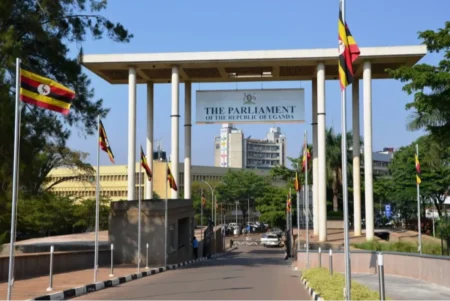


KAMPALA, Uganda — Uganda’s parliament has passed the contentious Protection of Sovereignty Bill, 2026, following nearly eight hours of intense debate, capping an unusually fast legislative process that has drawn scrutiny from legal experts and civil society.
The Bill, introduced by Attorney General Kiryowa Kiwanuka on April 15, was enacted in just 20 days, an accelerated timeline that critics say raises serious questions about parliamentary oversight and constitutional safeguards.
Government legislators defended the law as a necessary response to what they described as increasing foreign interference in Uganda’s political, civic and economic affairs. During debate, Kiwanuka argued that sovereignty must be actively protected in a globalised environment.
“Sovereignty is not an abstract concept; it must be actively protected in a global environment where foreign actors can shape internal political outcomes through funding and influence.”
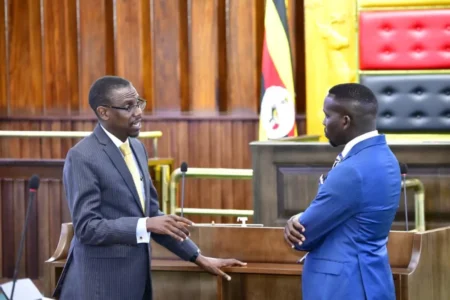
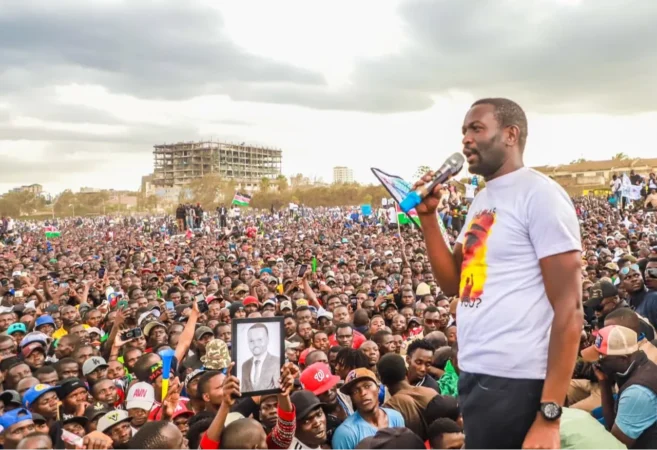
However, opposition MPs warned that the legislation risks expanding state power at the expense of democratic freedoms. Nakawa West MP Joel Ssenyonyi cautioned that the Bill’s broad provisions could be used to target dissenting voices.
“This Bill opens the door to criminalising legitimate civic engagement and dissent.”
Fast-tracked passage raises constitutional questions
A major flashpoint during the process was the suspension of Rule 170 of parliament’s procedures by Government Chief Whip Denis Hamson Obua. The rule typically ensures clause-by-clause scrutiny and consideration of public submissions, key elements of participatory lawmaking.
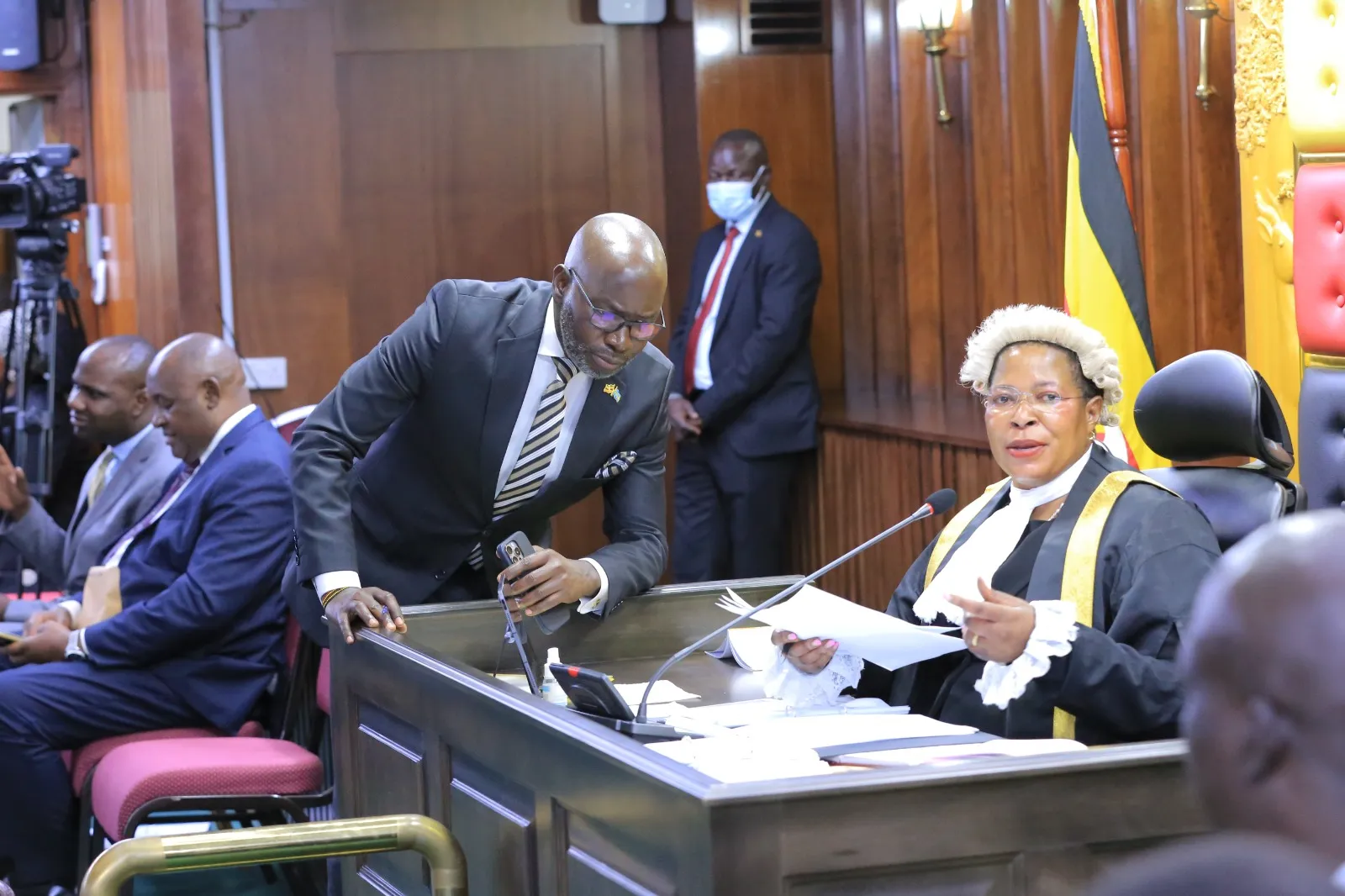
Its suspension allowed lawmakers to fast-track the Bill, limiting deeper scrutiny. Speaker Anita Annet Among presided over proceedings that required two division votes, underscoring the level of disagreement in the House.
Legal analysts argue that such procedural shortcuts could expose the law to constitutional challenges, particularly under Article 79, which vests legislative authority in parliament while implicitly requiring accountability and public participation.
Concerns over sweeping powers
At the centre of the controversy are provisions critics describe as vague and overly broad. The Bill introduces expansive definitions of “foreign interference,” potentially covering funding, partnerships, and advocacy linked to international entities.
Those found in violation face heavy fines and possible imprisonment, raising concerns about proportionality and enforcement. The legislation also grants significant discretionary powers to state agencies, with limited judicial oversight.
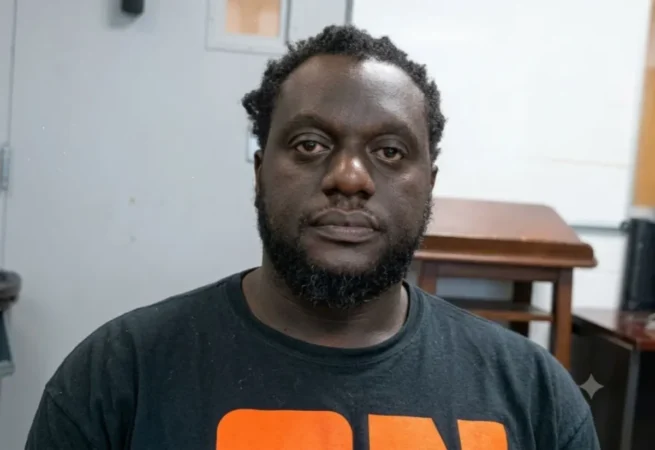
Busiro East MP Medard Lubega Ssegona warned that such provisions could tilt the balance of power toward the executive.
“Oversight is not retrospective; it is preventive. Parliament must ensure that laws do not create fertile ground for abuse.”
Museveni’s cautious stance
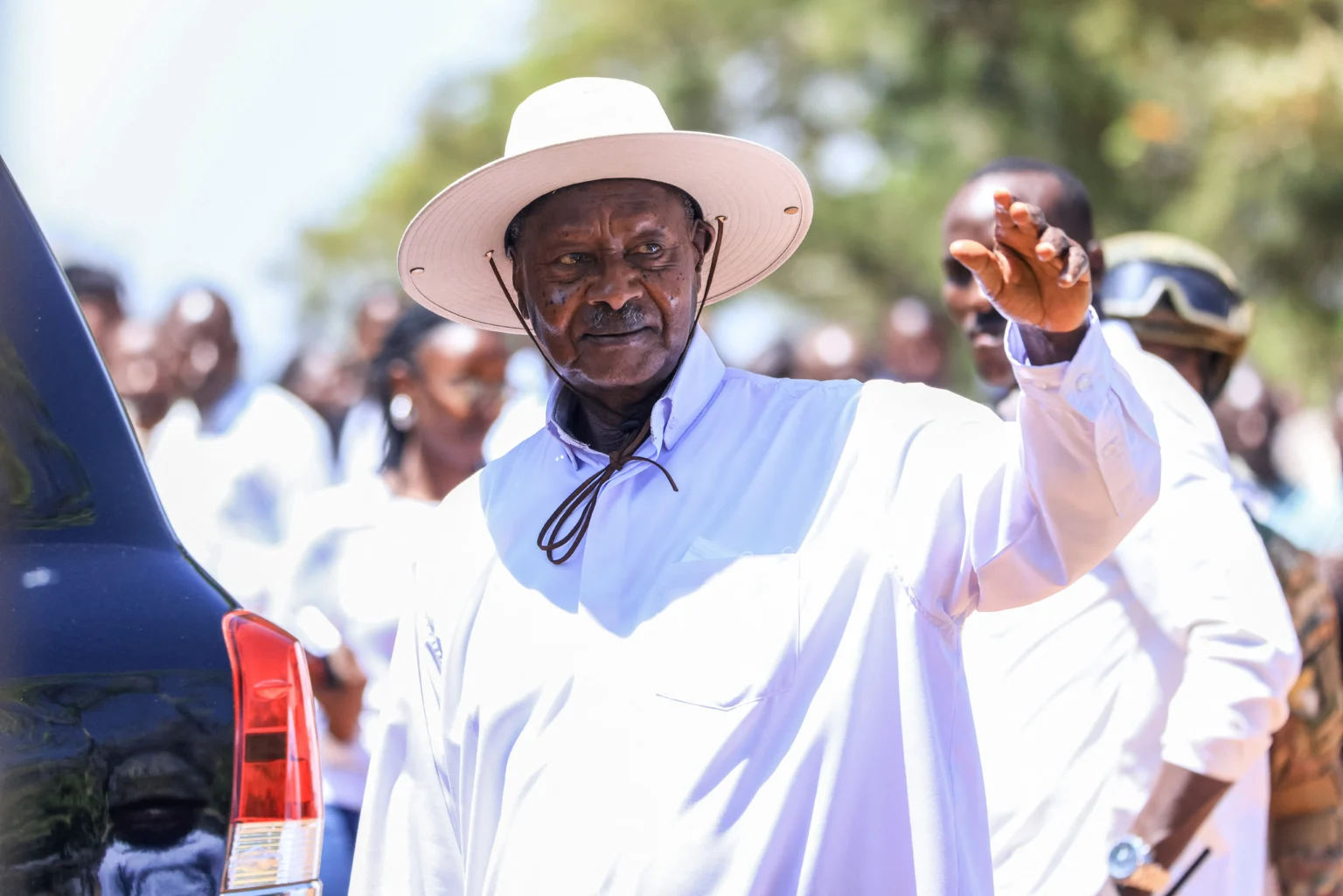
President Yoweri Museveni is yet to sign the Bill into law and faces a constitutional choice: assent, return it to parliament, or decline to approve it.
Sources indicate the President had reservations about provisions that could affect Uganda’s international standing and relations with development partners.
Concerns also centre on compliance with global human rights frameworks, an issue that has increasingly shaped international engagement with African governments.
Also Read: Uganda revises Sovereignty Bill, narrows ‘Foreign Agent’ definition amid criticism
The Bill’s rapid passage and substantive provisions have already triggered expectations of court challenges. Uganda’s judiciary has previously struck down legislation over procedural flaws or constitutional violations, setting a precedent that could shape the law’s future.
Ndorwa East MP Wilfred Niwagaba signalled that both the legislative process and the Bill’s content could be contested in court.
The controversy highlights a broader governance dilemma across Africa and beyond: balancing national sovereignty with democratic freedoms in an increasingly interconnected world.
While governments argue for stronger protections against external influence, critics warn that such laws can shrink civic space, restrict media freedom, and undermine democratic accountability.
With Uganda preparing for the swearing-in of its next parliament, the legacy of the outgoing House may be defined by how it handled this pivotal legislation, and whether the courts ultimately uphold or overturn it.