




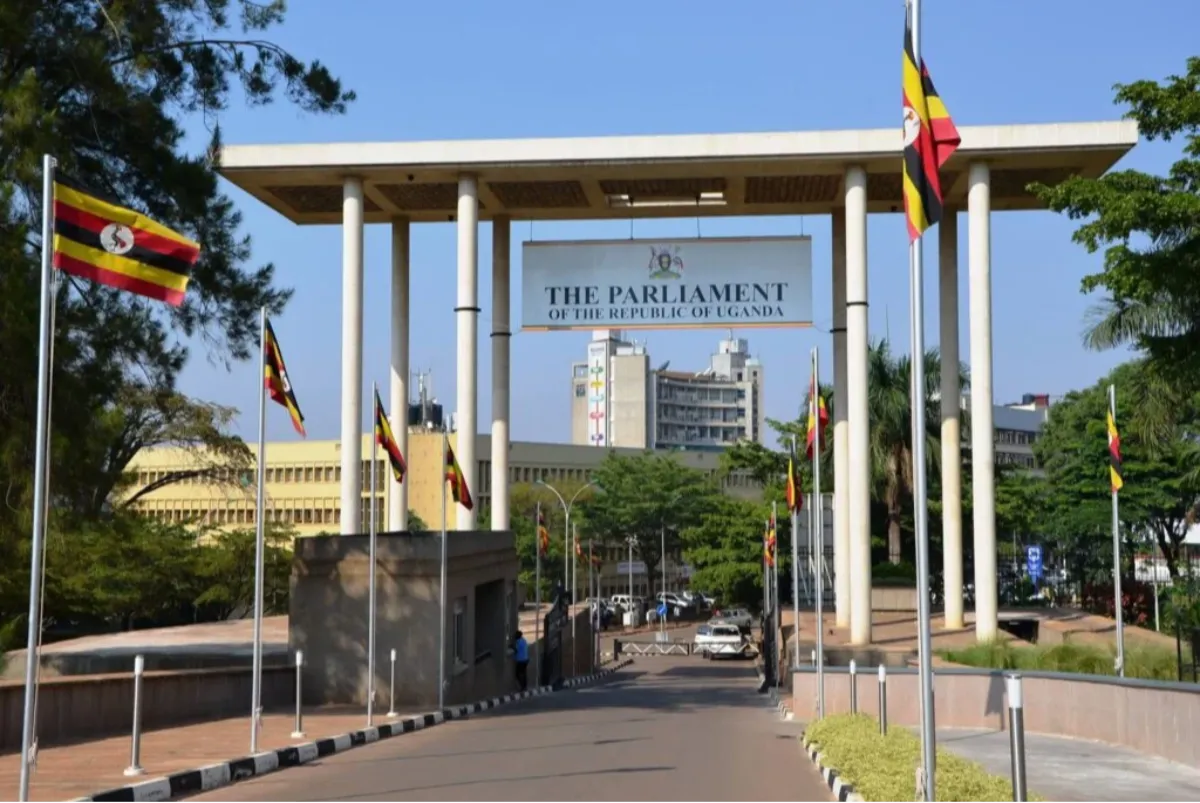
KAMPALA, Uganda — Uganda’s government has introduced sweeping amendments to the Protection of Sovereignty Bill 2026, significantly reshaping key provisions ahead of a highly anticipated parliamentary showdown.
The revised bill, currently before Parliament’s Legal and Defence Committee, follows weeks of intense public scrutiny and stakeholder submissions. Rather than withdrawing the contentious legislation, the government has opted for a substantial redraft, particularly targeting the definition and scope of a “foreign agent,” which had drawn widespread criticism.
Under the new amendments, Ugandan citizens will no longer fall under the definition of “foreigners.” Instead, a foreign agent is now defined as an individual acting on behalf of a foreign entity—operating under its direction or control and receiving funding or subsidies from it.
Legal analysts say this adjustment directly addresses one of the most controversial aspects of the original draft, which critics argued risked criminalising ordinary Ugandans, including members of the diaspora.
The revised Clause Two also broadens the scope of regulated conduct to include actions deemed to promote the interests of a foreign entity against Uganda’s national interest, as well as involvement in political activities.
The inclusion of political activity remains a key point of concern. Political organisations and advocacy groups may now be required to demonstrate that their funding sources do not advance foreign interests contrary to national priorities.
This provision continues to place the bill at the centre of a broader debate about civic space and political freedoms in Uganda, with critics warning of potential overreach despite the narrower definitions.
In a notable shift, the amendments introduce exemptions for several sectors previously thought to be at risk. These include:
- Financial institutions
- Professional bodies such as the Uganda Law Society
- Broadcasters and regulated media entities
- Health facilities
- Academic and research institutions
- Faith-based organisations
These entities will remain exempt provided that any foreign funding is used strictly for licensed, commercial, or mission-related purposes such as healthcare, education, research or religious activities.
The government has also clarified that lawful financial inflows, including foreign direct investment, diaspora remittances, trade financing, grants and humanitarian assistance, will not be restricted unless there is reasonable suspicion of links to prohibited activities.
This provision appears designed to reassure investors and development partners, particularly amid concerns that the bill could disrupt Uganda’s economic inflows. Uganda’s economy relies significantly on remittances and external financing, making regulatory clarity a critical issue.
Another major revision introduces a requirement to prove criminal intent. The insertion of the phrase “who intentionally” under Clause Five raises the evidentiary threshold for prosecution.
Also Read: Uganda Sovereignty Bill sparks nationwide backlash over power and economy
Additionally, the term “a person” has been replaced with “an agent of a foreigner,” further narrowing the category of individuals who can be held liable under the law.
Legal experts say these changes align the bill more closely with established principles of criminal law, where intent is a key element in determining culpability.
Despite the concessions, the amendments grant the responsible minister authority to expand the list of exempt entities through regulations. While the government frames this as administrative flexibility, critics caution that it could introduce discretionary power with limited oversight.
The Legal and Defence Committee is expected to review the revised draft before submitting its report to Parliament, setting the stage for a decisive debate.
The bill continues to generate mixed reactions across political, legal and civil society circles, reflecting deeper tensions between safeguarding national sovereignty and maintaining openness in governance, economic activity and civic participation.