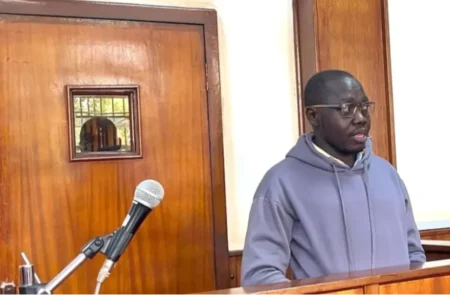


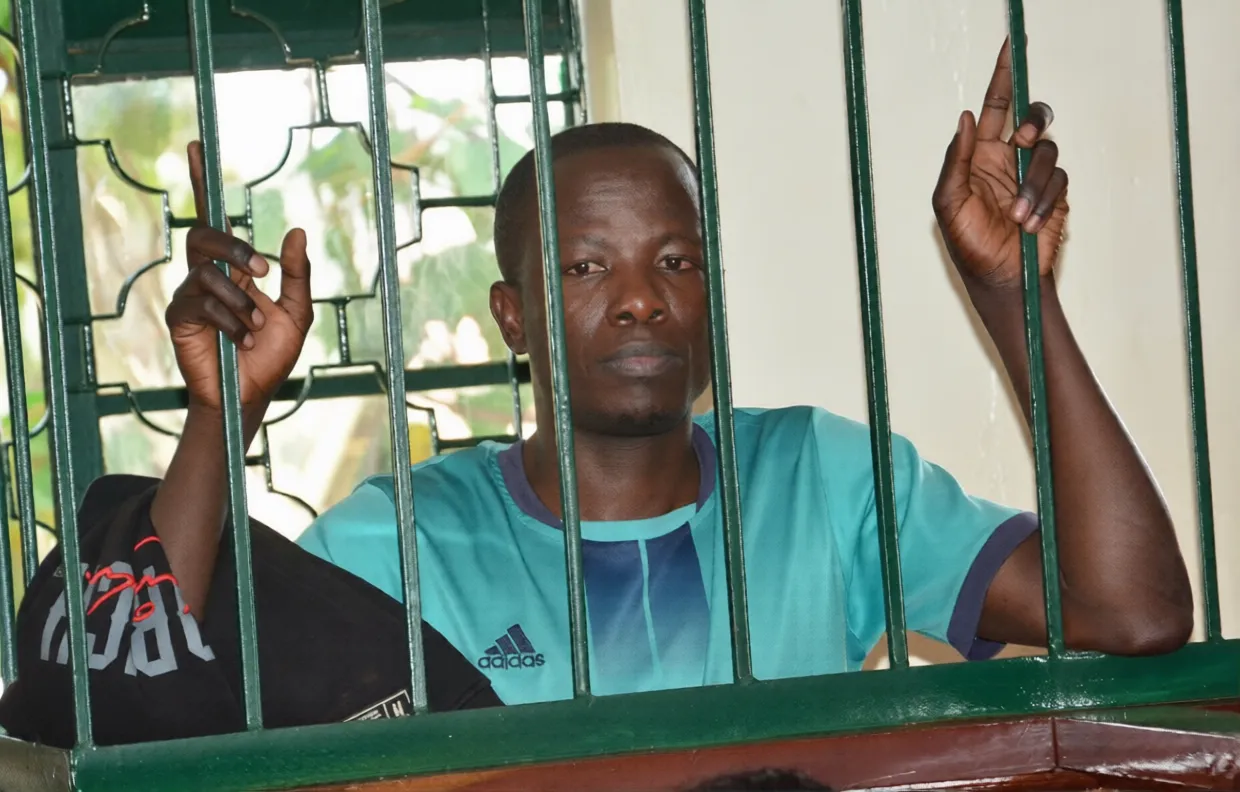
KAMPALA, Uganda — A Ugandan court has granted bail to journalist Arnold Anthony Mukose after more than a month in remand, in a case that has drawn attention to the enforcement of laws governing online misinformation.
Grade One Magistrate Ivan Maloba, sitting at the Law Development Centre Court, on Tuesday ruled that the offences Mukose faces are bailable and that the sureties presented were sufficient.
“The charge is bailable and the sureties are substantial,” Magistrate Maloba ruled.
Mukose was granted a cash bail of Ush5 million, with each of his sureties bonded at Ush50 million non-cash. The court set May 18, 2026, as the hearing date.
Charges linked to viral Janet Museveni death claim
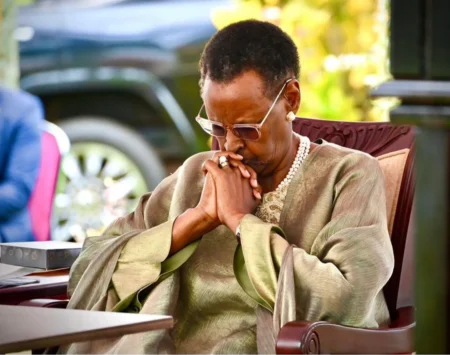
The 41-year-old journalist is accused of publishing false information alleging the death of Janet Kataaha Museveni, claims that circulated widely online earlier this year before being dismissed.
According to the prosecution, led by Ms Racheal Namutebi, Mukose and others still at large allegedly disseminated the information between January 26 and March 29, 2026, via a digital platform identified as Alternative Digitalk channel.
One of the charges states that Mukose:
“knowingly and unlawfully published fake news… that First Lady Janet Kataaha Museveni is dead,”
contrary to Regulation 110(e) of the Uganda Communications Commission (Licensing) Regulations, 2019.
He also faces charges of sending false distress signals under Section 82 of the Uganda Communications Act.
Prosecution case and investigation
During earlier proceedings, the state informed the court that investigations had been completed and sought to proceed to trial.
“Inquiries in this matter are complete. We pray for a hearing date,” Ms Namutebi submitted.
The case stems from an incident that gained significant public traction, underscoring how quickly unverified information can spread across digital platforms.
Mukose’s arrest in late March drew criticism from sections of the legal and media fraternity, with the Uganda Law Society among those calling for his release.
Also Read: How Michael Wandati is redefining independent journalism in a noisy digital world
He was reportedly picked up by plain-clothed security operatives shortly after appearing on a political talk show in Old Kampala and driven away in a waiting vehicle, circumstances that raised concerns among rights advocates.
Wider debate: Misinformation vs press freedom
The case comes amid growing efforts by Ugandan authorities to curb the spread of misinformation online, particularly on social media and digital broadcasting platforms.
However, it also highlights an ongoing tension between regulation and press freedom. Media advocates argue that while combating false information is necessary, enforcement must be balanced against constitutional protections for free expression and due process.
Legal analysts note that Uganda’s communications laws, particularly provisions on “false news” and distress signals, have increasingly been used in cases involving journalists and digital content creators, raising questions about interpretation and proportionality.
As the case proceeds to hearing, it is likely to remain a focal point in the broader debate over how governments regulate online speech in an era of rapidly evolving digital communication.