



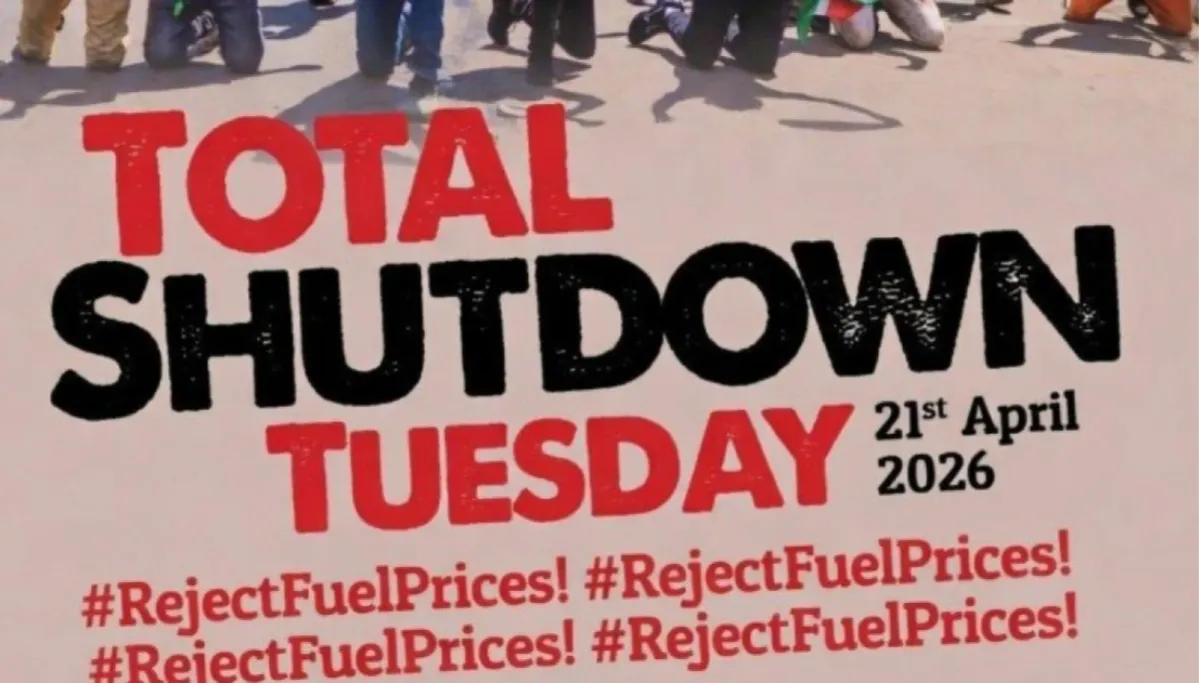
NAIROBI, Kenya — Business activity continued uninterrupted across Nairobi’s Central Business District (CBD) on Tuesday, as planned protests over rising fuel prices failed to gain momentum despite widespread online mobilisation.
A small group of demonstrators was briefly detained by anti-terror police near the Kenya National Archives, where officers were seen bundling individuals into police vehicles.
The protests, organised under the hashtag #RejectFuelPrices, had been promoted online as part of a broader push to pressure the government to reduce fuel costs and address the rising cost of living.
Nairobi Regional Police Commander Issa Mohamud had earlier warned that the demonstrations would be treated as unlawful, citing a lack of formal notification to the National Police Service (NPS).
“We are aware of planned protests next week regarding fuel prices, but no notification has been given. This makes the protests unlawful, and we will take appropriate action,” he stated.
While reaffirming that the Constitution guarantees the right to peaceful assembly, Mohamud emphasised that organisers are required to provide prior notice to allow for security coordination.
The planned protests followed a recent price review by the Energy and Petroleum Regulatory Authority (EPRA), which announced new fuel tariffs effective between April 15 and May 14.
Under the revised pricing structure:
- Super petrol now retails at Ksh197.60 per litre
- Diesel at Ksh196.63 per litre
- Kerosene at Ksh152.78 per litre
EPRA attributed the changes to tax components and recent legislative amendments in the petroleum sector.
The adjustments came amid growing public frustration over the cost of living, with fuel prices having a direct impact on transport, food costs and other essential goods.
Also Read: Police ban planned fuel price protests in Nairobi, issue warning to organisers
Kenya has faced sustained inflationary pressures in recent months, with fuel costs emerging as a key driver of economic strain for households and businesses alike.
Although the government recently introduced temporary tax relief measures, including a reduction in value-added tax (VAT) on petroleum products, critics argue that the relief has been insufficient to offset broader cost increases.
Despite strong activity on social media, the limited turnout on the ground highlights a recurring gap between digital mobilisation and physical protest participation.
Security remained tight across key parts of the CBD, but no major disruptions to business operations were reported.