



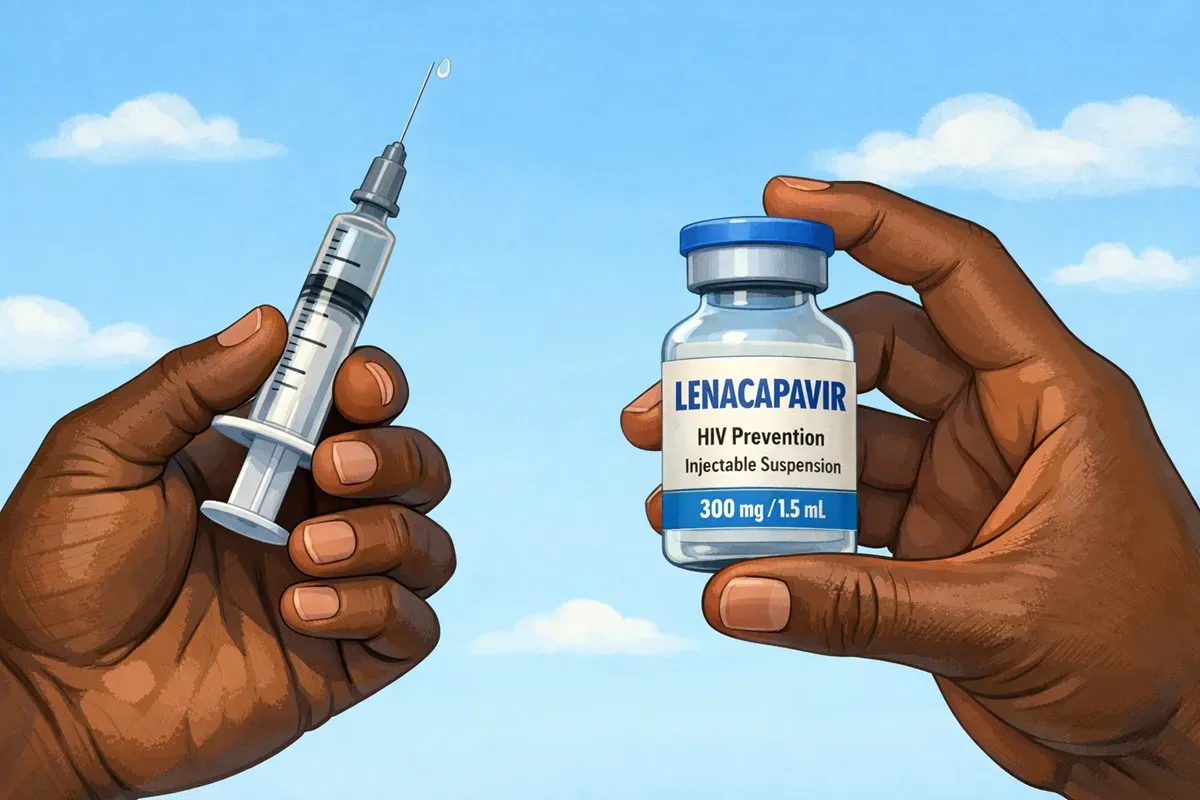
KAMPALA, Uganda — Uganda’s Ministry of Health is set to roll out the nationwide use of a long-acting HIV prevention injection, lenacapavir, in a major step aimed at strengthening the country’s response to new infections.
The rollout, which begins on Friday at Lira Regional Referral Hospital, follows updated global guidance by the World Health Organization recommending the use of injectable lenacapavir as an additional pre-exposure prophylaxis (PrEP) option.
The drug, administered twice a year, marks a significant shift from traditional daily oral PrEP regimens, offering a more convenient and potentially more effective alternative for people at high risk of HIV.
Health officials say Uganda is among a growing number of African countries adopting the long-acting prevention method as part of broader efforts to curb HIV transmission.
Lenacapavir is the first PrEP option that requires only two doses per year, a development experts say could improve adherence and reduce stigma associated with daily medication.
Officials at the Ministry of Health say the rollout will prioritise districts with high HIV prevalence and populations at elevated risk, including discordant couples and adolescent girls.
According to Ministry spokesperson Emmanuel Ainebyona, individuals seeking the injection will undergo screening before administration, noting that the drug is not a vaccine and must be delivered under clinical supervision.
Initial distribution will include selected districts in the Ankole sub-region, including Kazo District, Mbarara District, and Ibanda District.
The injection will be administered at facilities such as Kazo Health Centre IV, Bufunda Health Centre IV, and Bwizibwera Health Centre IV, alongside more than 120 health facilities nationwide.
The announcement was made during a three-day training programme for health workers on HIV prevention strategies, held at Kazo Health Centre IV.
Dr. Edgar Kansiime, Kazo District Health Officer, said the injection will be targeted at individuals who test HIV-negative but are considered at high risk of exposure.
He noted that the long-acting formulation could significantly improve adherence compared to daily tablets, while emphasising that existing prevention measures, including condom use, remain essential.
Also Read: Kenya begins Lenacapavir injection rollout to cut HIV infections to zero by 2030
Uganda continues to face a substantial HIV burden, with more than 1.5 million people living with the virus. Women remain disproportionately affected, with prevalence rates significantly higher than among men.
Health officials report that in 2025 alone, new infections included approximately 21,000 women and 11,000 men, underscoring persistent transmission challenges.
In the Ankole region, some districts record among the highest prevalence rates in the country, including Kiruhura (11%) and Mbarara City (10%), highlighting the need for targeted interventions.
The introduction of lenacapavir aligns with global efforts to expand HIV prevention tools, particularly for populations that face barriers to consistent access to healthcare or struggle with daily medication adherence.
Public health experts say the success of the rollout will depend on awareness, accessibility, and sustained funding, as countries seek to integrate long-acting prevention methods into existing HIV response frameworks.