



NAIROBI, Kenya — Car dealers and importers in Kenya are raising concerns over new restrictions introduced by the National Transport and Safety Authority (NTSA) on the use of KD number plates, warning that the measures could disrupt vehicle deliveries and slow down operations across the sector.
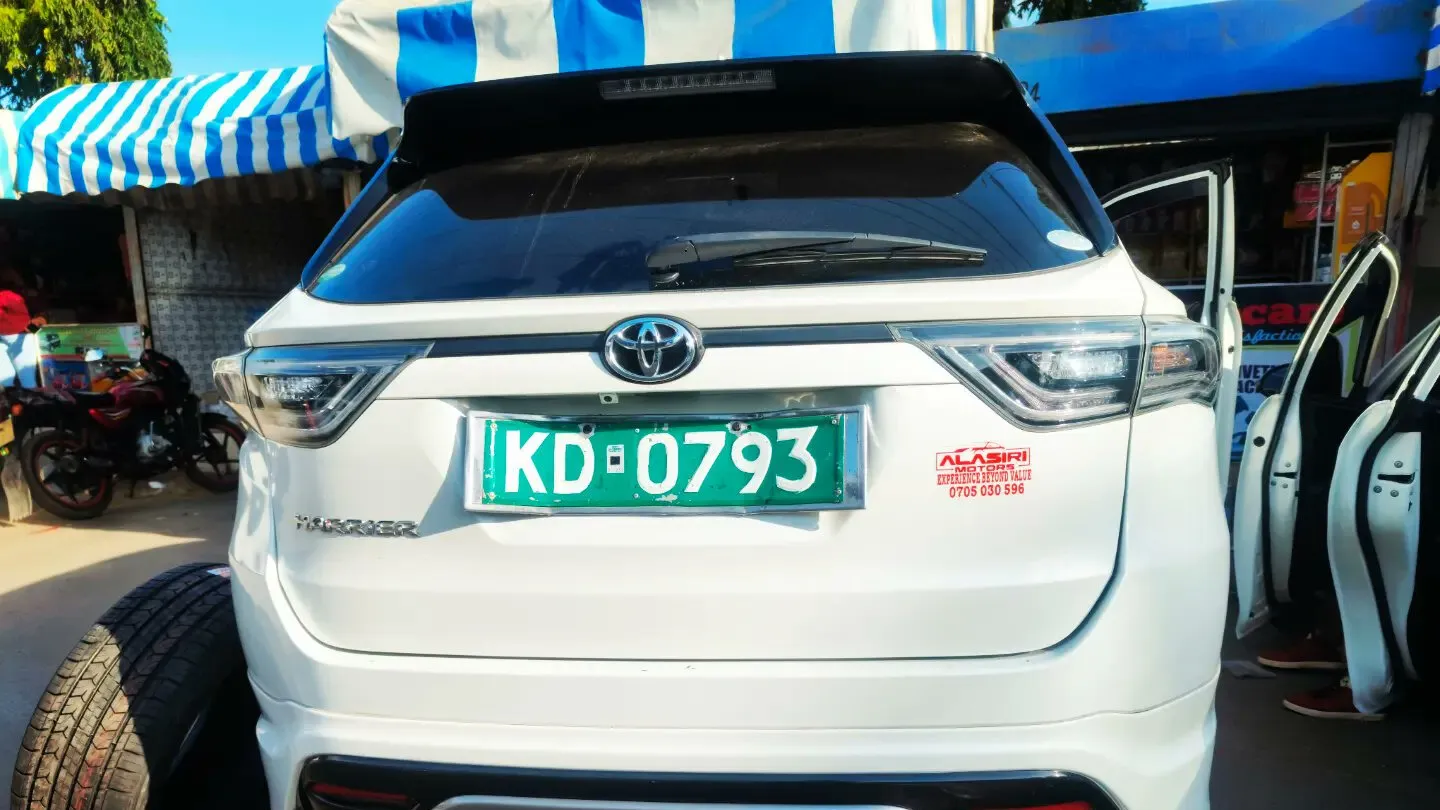
The revised rules limit the use of KD plates, typically assigned to unregistered vehicles, to specific purposes such as test drives, towing, and transfers between dealerships and clients. Their use for personal errands, extended driving, or road trips before registration has now been prohibited.
Industry players say the changes mark a significant shift from previous practice, where KD plates were widely used to facilitate the movement of imported vehicles prior to full registration.
A car dealer, Gladys, speaking in a video shared on TikTok, said the new framework has affected both dealers and customers.
“Kenyan car dealers, now this is in regards to KD plates and we’ve all been hit, even us as the importers, we’ve been hit,” she said.
She explained that under the updated rules, KD plates can only be used on vehicles registered under a dealership’s name, effectively ending the common practice of using dealership plates on vehicles already registered to clients.
“So if I’ve imported a car for a client and the car is in the client’s name, then it doesn’t qualify to have a dealership KD on it. That one is violating the rule,” she said.
Dealers also point to new insurance requirements, with NTSA now mandating comprehensive cover for vehicles using KD plates, replacing the previously common third-party insurance.
According to Gladys, the changes are partly driven by concerns over misuse and increasing cases of theft involving unregistered vehicles.
“The biggest reason NTSA has come up with this rule is because of theft issues… if a car is stolen and it is not registered and does not have comprehensive insurance, that becomes a total loss,” she said.
The updated regulations further restrict who can operate vehicles fitted with KD plates, limiting usage to authorised personnel linked to dealerships, such as directors.
The tighter controls are already affecting logistics, particularly for importers transporting vehicles from the port of Mombasa to showrooms and delivery points.
Dealers say they must now wait for full registration, including issuance of logbooks and permanent number plates, before releasing vehicles to customers.
“We had cars at the port that we were sure we would release for delivery, but now we have to wait for logbooks and number plates,” Gladys said.
Also Read: NTSA introduces mandatory driver health checks, real-time monitoring to reduce accidents
The shift is expected to extend vehicle delivery timelines, potentially slowing down the car buying process for customers.
However, some buyers have welcomed the changes, arguing they could reduce additional costs. One client noted that certain dealers had been charging up to Sh2,000 per day for the use of KD plates, suggesting the new rules could enhance transparency and fairness.
The NTSA measures are part of broader efforts to strengthen compliance within Kenya’s motor vehicle sector, curb misuse of temporary plates, and improve traceability of vehicles before registration.
Analysts say while the reforms may introduce short-term disruptions, they could ultimately lead to a more accountable and secure vehicle registration system.