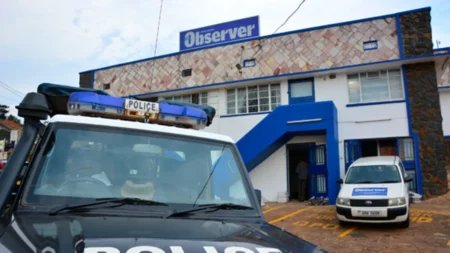



KAMPALA, Uganda — Nearly five years after first being summoned over a controversial report, The Observer has once again been called before the Media Council of Uganda, in a move that has reignited debate over media regulation, due process, and press freedom.
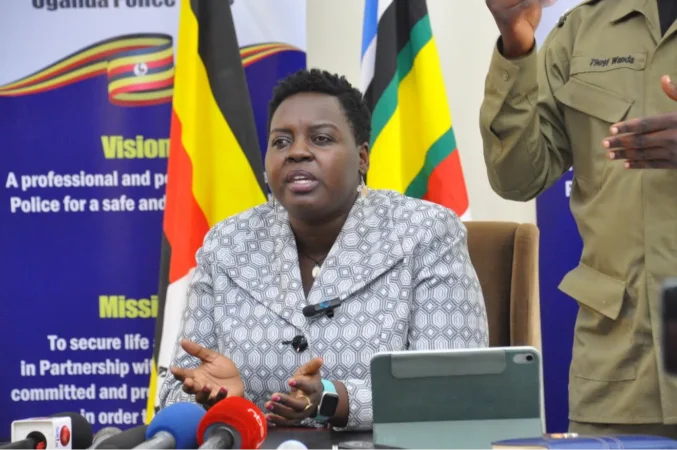
The latest summons, issued on April 8, 2026, relates to a March 2021 story alleging the diversion of health funds by Diana Atwine. At the time, the publication says it fully complied with regulatory procedures, attending hearings, submitting evidence, and engaging with the complainant.
According to the paper’s editor, Robert Spin Mukasa, the matter had effectively concluded by 2023.
“The Council had received all necessary material… [and] the matter was ready for determination,” he said, adding that a ruling had been expected but never delivered.
The decision to reopen the case, he argues, undermines procedural fairness.
“To now reopen the matter without explanation violates that expectation and constitutes procedural unfairness,” Mukasa said.
Second summons deepens dispute
The revived case is accompanied by a second summons tied to a 2024 article alleging that members of parliament had been bribed to block proposed government agency mergers.
In earlier correspondence, the Media Council defended its actions, stating that parliament is “the cornerstone of Uganda’s democracy” and that any reporting capable of undermining public trust must be “rigorously scrutinized.”
However, Pius Muteekani Katunzi, the paper’s managing editor, has challenged both the clarity and legitimacy of the complaint.
“The letter lacks clarity regarding the complainant; it’s uncertain whether it’s parliament, Mr. Paulo Ekochu (chairman), or the Media Council itself,” Katunzi said.
“If Mr. Ekochu is the complainant and seeks to act as a neutral arbiter, he clearly cannot be both an interested party and a judge in his own cause.”
Legal and institutional questions
The Observer has also raised concerns about the Council’s jurisdiction, arguing that its current composition may not comply with provisions of the Press and Journalist Act.
In a formal response dated May 20, 2024, the newspaper declined to appear before the Council, stating:
“Unless and until these composition matters are duly resolved, it is our position that the Council lacks jurisdiction to summon or take regulatory action against media organizations.”
The standoff highlights deeper tensions within Uganda’s media landscape, where regulatory oversight often intersects with politically sensitive reporting.
Broader press freedom concerns
The case comes amid ongoing scrutiny by international watchdogs such as Amnesty International and Human Rights Watch, which have previously raised concerns about restrictions on press freedom and civic space in Uganda.
Also Read: The Observer Media, Watchdog Communications fined Sh50m for defaming FAO official
Analysts say the reopening of a case long considered closed raises critical questions about predictability in regulatory processes and the independence of the media.
It also reflects a broader pattern across parts of Africa, where governments and regulators are increasingly asserting control over narratives, particularly on corruption and governance.
A test case for media independence
As the April 15 hearing approaches, the dispute is evolving into more than a procedural matter.
It is shaping into a potential test case on:
- the limits of regulatory authority,
- the rights of journalists to investigate public interest issues,
- and the balance between accountability and editorial independence.
For now, both sides remain entrenched, one asserting regulatory mandate, the other defending the principles of due process and press freedom.