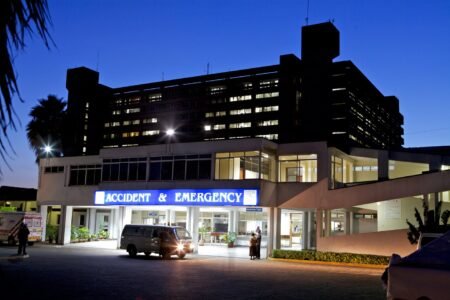





NAIROBI, Kenya — Services at Kenyatta National Hospital (KNH) were disrupted on Monday after nurses downed their tools, citing delayed remittances, pension concerns and an overwhelming workload.
Patients were left stranded across multiple departments as the industrial action took effect, with union representatives saying the strike followed prolonged and unresolved welfare issues.
A representative speaking on behalf of the nurses said frustrations had been building over time, particularly around salary-related deductions and working conditions.
“We have a medical cover, but when a nurse is sick and goes to seek medical check-up, medicine is missing or we are given basic drugs. We end up paying cash,” the representative said.
The nurses raised concerns over the delayed remittance of statutory and third-party deductions, arguing that the situation has disrupted their financial obligations, including loan repayments.
They also cited staffing shortages, noting that the current workforce is significantly below required levels.
“We have been overwhelmed by work. The workload is too much compared to our numbers. Currently we are about 2,300 yet we are supposed to be around 2,800,” the representative said.
The pressure, they added, has been exacerbated by recurring strikes in hospitals across neighbouring counties, which often redirect patients to the national referral facility.
“Many hospitals in Nairobi, Machakos, Kajiado and Kiambu go on strike, leaving us to handle all patients. This affects the quality of care,” he said.
Nurses also pointed to congestion at the hospital, saying some patients seek treatment for minor conditions that could be handled at lower-level facilities, increasing strain on already stretched services.
“At times, cases like simple fever come here, leaving those with serious illnesses waiting for long,” the representative said.
As Kenya’s largest referral hospital, Kenyatta National Hospital plays a critical role in handling specialised cases, meaning disruptions can have widespread implications for access to care nationwide.
In a statement issued a day earlier, hospital management said salaries had been paid up to March 2026 and attributed delays in remittances to broader systemic factors.
“Staff salaries have been processed and paid up to March 2026. The settlement of statutory and third-party deductions is undertaken through structured remittance arrangements linked to institutional cash-flow cycles,” the hospital said.
Management added that payment timelines are influenced by national healthcare financing systems.
“Consequently, the timing of remittance processing is influenced by the broader national healthcare financing and reimbursement cycle,” the statement said.
Also Read: Congolese doctors take Kenya to court over licence and permit renewal blockade
The hospital said it is engaging government institutions and stakeholders to streamline the processes and resolve the concerns.
Hospital officials maintained that discussions with unions are ongoing, including negotiations around pension contributions and the transition of staff to permanent and pensionable terms.
However, nurses insist the issues remain unresolved, warning that services will continue to be disrupted until concrete action is taken.
The standoff has intensified concerns over healthcare access, placing pressure on both parties to reach a resolution and restore normal operations.
The strike highlights broader challenges facing Kenya’s public health sector, including staffing gaps, funding constraints and recurring labour disputes.
Analysts warn that without structural reforms, particularly in healthcare financing and workforce planning, industrial action is likely to persist, affecting service delivery across the country.