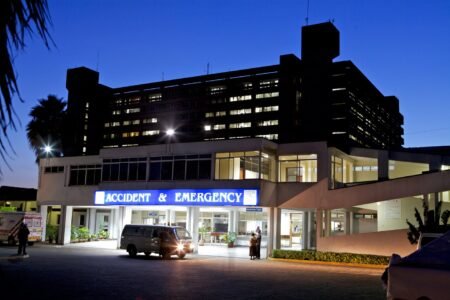



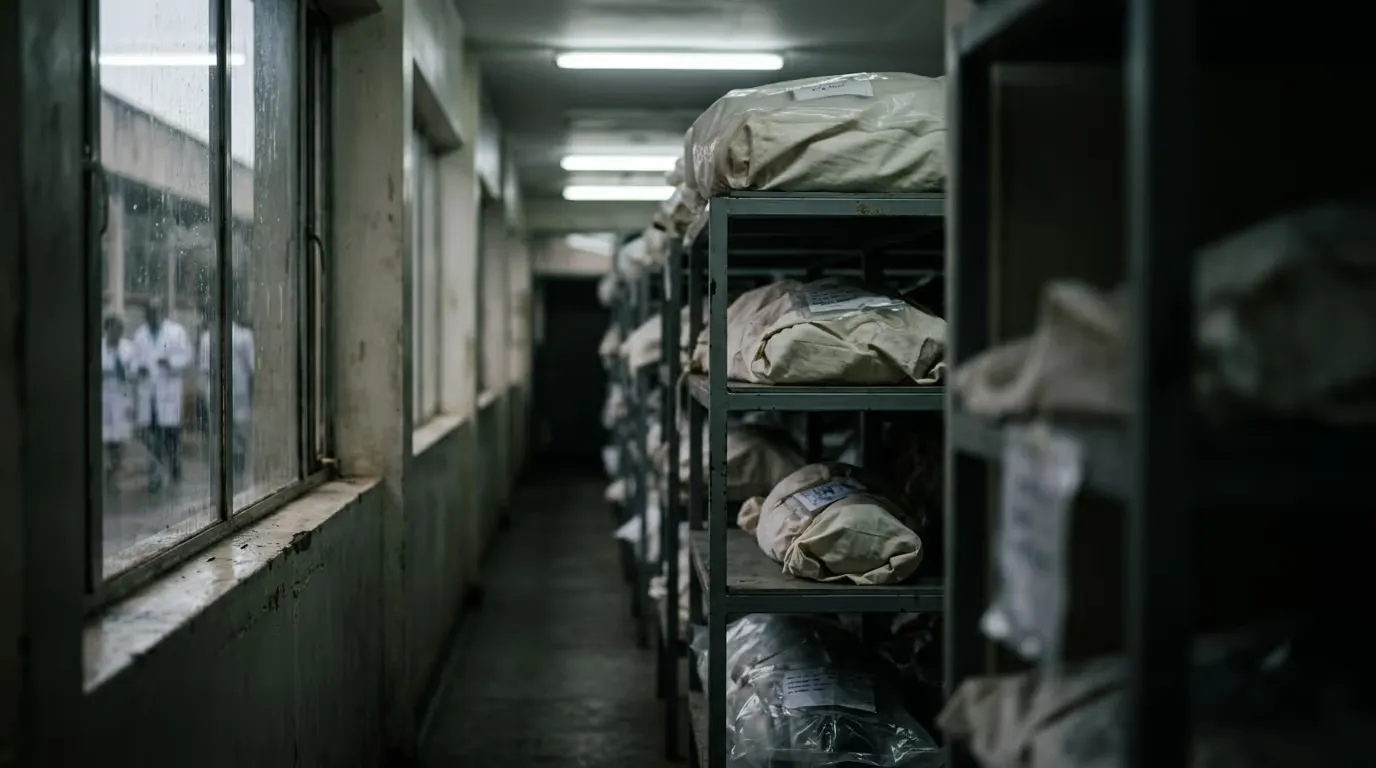
NAIROBI, Kenya — Kenyatta National Hospital (KNH) has issued a public notice announcing plans to dispose of 480 unclaimed bodies currently held at its Farewell Home, in a development that underscores mounting pressure on the country’s largest referral hospital and raises broader concerns about social, legal, and systemic gaps.
According to the notice, the unclaimed remains include 102 adults and 378 children. The hospital has urged members of the public to identify and collect the bodies within seven days, failing which it will proceed with disposal in accordance with public health regulations.
The announcement highlights a persistent challenge faced by major public hospitals in Kenya, overcrowded mortuaries caused by delays in identification, limited family tracing mechanisms, and financial constraints that prevent relatives from collecting remains.
Mortuary congestion has long been a recurring issue at KNH, which serves as a referral centre for patients from across the country.
Hospital officials have previously warned that unclaimed bodies occupy critical storage space, complicating operations and increasing the risk of public health concerns.
The situation is particularly stark in this case, given the high number of children among the unclaimed, an aspect that has drawn attention to vulnerabilities in documentation, guardianship, and family tracing systems.
Why bodies remain unclaimed
Experts point to several factors behind the accumulation of unclaimed bodies:
- Economic hardship: Many families are unable to meet mortuary fees or burial costs.
- Urban anonymity: In cities like Nairobi, some individuals lack identifiable next of kin or formal records.
- Legal and bureaucratic delays: Cases involving police investigations or missing documentation can slow release.
- Abandonment and social vulnerability: Children, in particular, may be separated from families or lack clear identification.
In some instances, bodies remain unclaimed because relatives are unaware of the deaths, especially where communication channels are weak or where individuals migrated to urban centres alone.
Legal framework and procedure
Under Kenyan public health laws, hospitals are permitted to dispose of unclaimed bodies after issuing a public notice and allowing a reasonable period for identification and collection.
Disposal typically involves mass burial conducted in coordination with local authorities.
KNH’s seven-day notice is part of this legal requirement, aimed at giving families a final opportunity to come forward before the process proceeds.
Ethical and societal concerns
Beyond the logistical challenges, the issue raises deeper ethical questions about dignity in death and the treatment of the most vulnerable members of society.
Human rights advocates have in the past called for:
- Improved identification systems, including biometric tracking
- Subsidised burial support for low-income families
- Stronger coordination between hospitals, police, and local administrations
Also Read: Chaos at Nairobi Funeral Home after family finds empty casket
The high number of unclaimed children, in particular, has prompted concern over gaps in child protection systems and the need for better tracking of minors within healthcare and social services.
A recurring national issue
KNH is not alone. Other public hospitals across Kenya have periodically issued similar notices, reflecting a nationwide challenge linked to poverty, migration, and institutional capacity constraints.
The situation also intersects with broader debates about healthcare funding, social protection, and the role of the state in ensuring dignified handling of the dead.
KNH has urged anyone with missing relatives to visit its mortuary for identification within the stipulated period.
As the deadline approaches, the notice serves as both an administrative requirement and a stark reminder of the human stories behind the numbers, lives lived, but at risk of being laid to rest without recognition.