



KAMPALA, Uganda — In a sweeping policy shift aimed at tightening control over the private security sector, the Uganda Police Force (UPF) has formally assumed responsibility for training all private security guards, signalling a move towards stricter state oversight in a rapidly expanding industry.
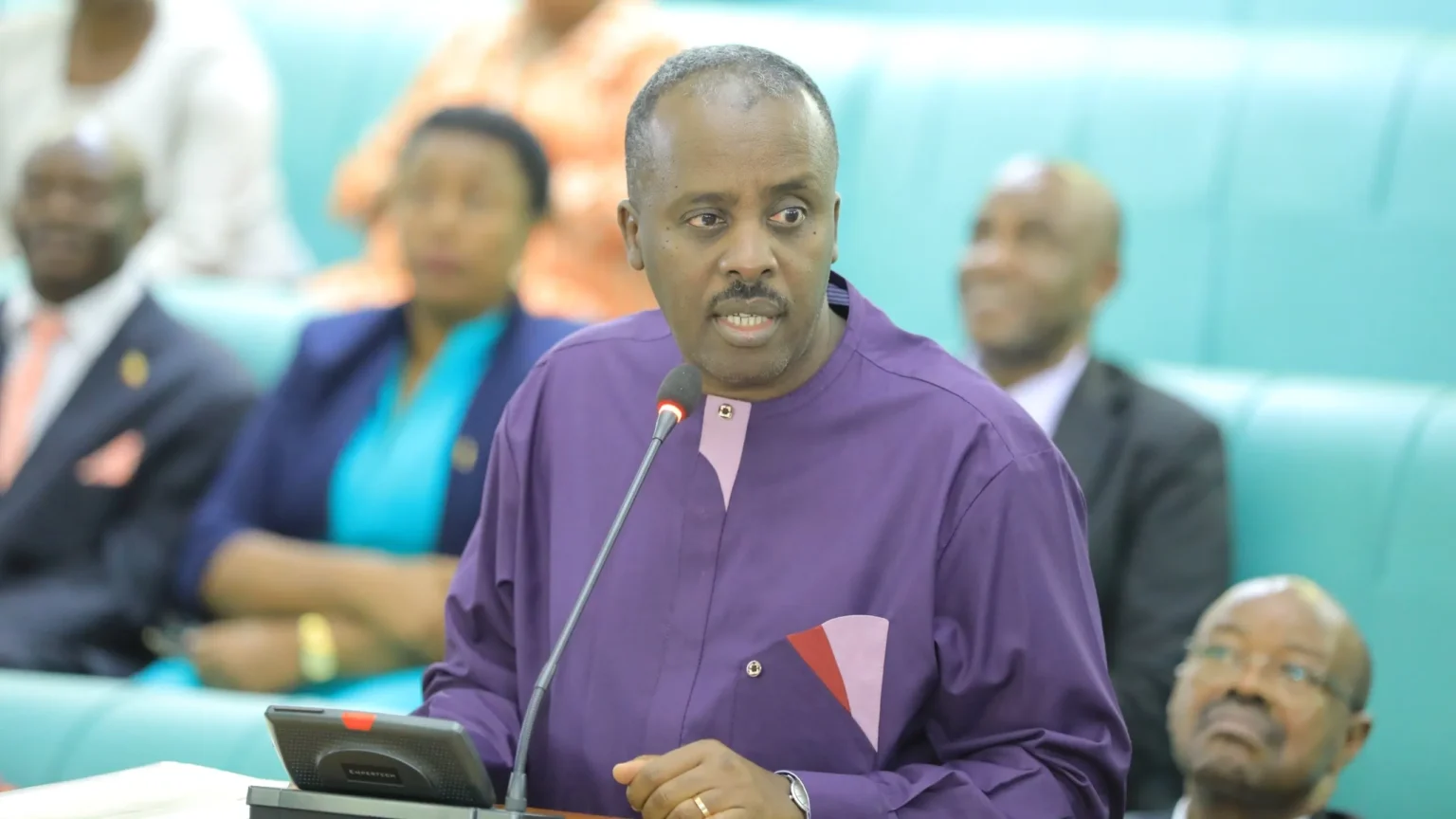
The announcement was made by Gen. David Muhoozi, Uganda’s Minister of State for Internal Affairs, during a session before Parliament’s Committee on Defence and Internal Affairs.
The reforms follow a petition by Private Security Organisations (PSOs), which sought regulatory clarity amid growing concerns over standards and accountability.
Under the new framework, private security guards will be required to undergo mandatory training either at official police training institutions or through certified instructors deployed by the police to approved facilities.
Authorities say the shift marks a departure from what has long been described as a largely liberalised and loosely regulated sector.
“We want to desist from liberalism on security companies and maintain stringent regulation,” Minister Muhoozi stated.
“As we speak, we have over 7,000 undergoing training by the police free of charge to ensure quality standardized training.”
According to government data presented to lawmakers, a pilot cohort of 7,085 recruits is already undergoing training at various police academies nationwide.
The programme, funded by the state, is expected to conclude on April 24, 2026.
Rising concerns over oversight
The reforms come amid mounting concern over the scale and structure of Uganda’s private security industry.
With an estimated 82,000 guards, significantly outnumbering the national police force, the sector has raised questions around command, coordination, and potential misuse.
Officials also highlighted the growing issue of private firms producing uniforms closely resembling those of the police, creating confusion among the public and posing potential security risks.
Under the new measures, the UPF will retain exclusive authority to approve all uniforms used by private security personnel.
A stricter licensing regime governing both firearms and operational standards is also set to be introduced.
Security analysts note that similar regulatory tightening has been observed across parts of East Africa, where governments are increasingly wary of under-regulated armed personnel operating in parallel to state security structures.
Balancing regulation and industry growth
Uganda currently has 457 registered private security organisations. While the police have historically held a regulatory role, the latest directive represents a decisive shift toward direct involvement in training and professional development.
Addressing concerns about potential conflicts of interest, Minister Muhoozi emphasised that the police are constitutionally mandated to oversee internal security, including the regulation of all armed actors.
Also Read: Bobi Wine’s escape from Uganda raises questions on security
Members of Parliament broadly welcomed the reforms, describing them as necessary for national security.
However, they urged the government to anchor the changes in law by introducing comprehensive legislation to guide the sector.
Standardisation and professionalisation
A central pillar of the reform is the introduction of a unified training curriculum designed to standardise skills across the industry.
The programme will cover critical areas such as conflict resolution, surveillance techniques, and emergency response protocols.
Authorities say the initiative is intended not only to improve service delivery but also to enhance public trust in private security providers, who play an increasingly visible role in safeguarding businesses, institutions, and residential areas.
If effectively implemented, the reforms could redefine the relationship between state security agencies and private firms, setting a precedent for tighter regulation in the region.