


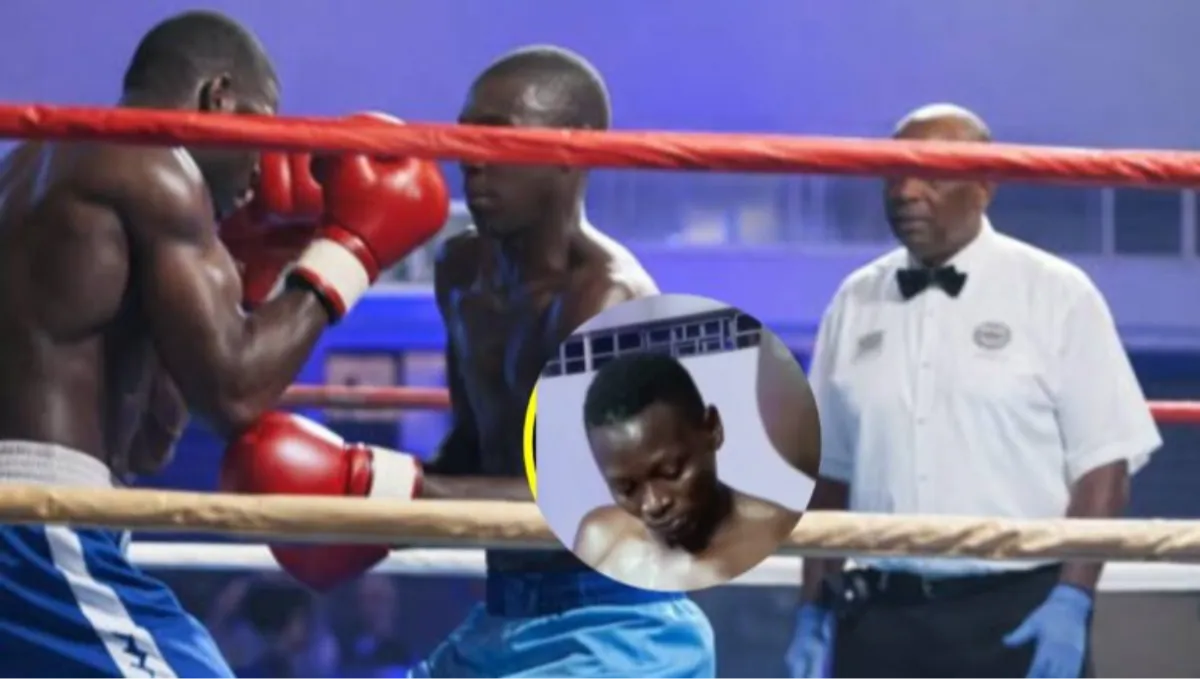
KISUMU, Kenya — Kenya’s boxing community is in mourning following the death of Kisumu-based professional boxer Jacob Oyoko, who collapsed after a bout on Saturday, March 28, triggering renewed scrutiny over safety standards in the sport.
The incident, confirmed by the Kenya Professional Boxing Commission, has sparked widespread concern among athletes, officials, and fans, with growing calls for accountability and reform within Kenya’s boxing structures.
Oyoko is reported to have lost consciousness during a professional contest after sustaining a series of heavy blows from his opponent, Julius Okuruchi. Ringside medical personnel intervened immediately, but he later succumbed to his injuries.
While investigations are ongoing, the circumstances surrounding the bout have raised urgent questions about the adequacy of ringside medical preparedness, enforcement of safety protocols, and the role of referees in stopping fights at critical moments.
Calls for accountability intensify
The tragedy has ignited strong reactions from political leaders and stakeholders in the sports sector.
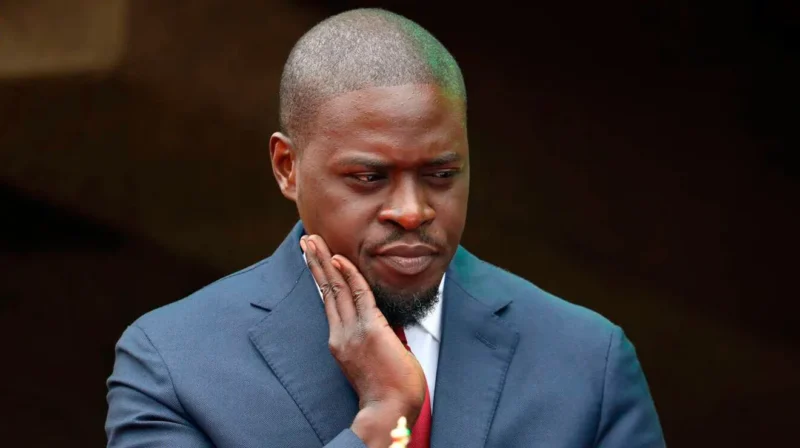
Robert Alai, Member of County Assembly for Kileleshwa, sharply criticised the handling of the bout, describing the death as preventable.
“I wish to condole with the family of Jacob Oyoko, who was killed in the boxing ring by one Julius Okuruchi,” Alai stated.
He further blamed boxing authorities and event organisers for what he termed negligence, arguing that stricter adherence to safety measures could have averted the fatal outcome.
“The death of Jacob would have been prevented had the Kenya Boxing Federation and the promoters of the tournament paid attention to the safety and needs of the players,” he said.
Alai also questioned the conduct of officials during the match.
“The conduct of the KBF officials and the referee in the whole match is questionable.”
His remarks reflect a broader public sentiment now demanding transparency, accountability, and immediate reforms within the sport.
Renewed focus on boxing safety standards
The death has once again drawn attention to safety practices in boxing, a sport inherently associated with physical risk.
Globally, governing bodies have tightened medical protocols in recent years, including mandatory pre-fight medical screenings, ringside doctors, and strict stoppage rules to prevent fatal injuries.
In Kenya, however, stakeholders have repeatedly raised concerns about inconsistent enforcement of such standards, particularly in smaller, locally organised bouts.
Also Read: Can Mbavu the Destroyer be ready in two months to beat Majembe? A realistic assessment
Sports analysts note that tragedies of this nature often expose systemic gaps, ranging from insufficient medical infrastructure to regulatory overlaps between bodies such as the Kenya Boxing Federation and professional commissions.
The latest incident is likely to intensify pressure on authorities to harmonise regulations and ensure compliance across both amateur and professional levels.
A career cut short
Oyoko, based in Kisumu, was part of Kenya’s emerging pool of professional boxing talent.
Competing under the national professional circuit, he had built a reputation as a committed athlete working to rise through the ranks, though he had yet to achieve international prominence.
His death has sent shockwaves through the local boxing fraternity, with tributes pouring in from fellow fighters and fans who remember him as a disciplined and determined competitor.
As investigations continue, attention is expected to focus on the sequence of events leading up to the collapse, including officiating decisions, medical response times, and compliance with safety regulations.
For many observers, the tragedy represents a critical moment for Kenyan boxing, one that could either prompt meaningful reform or deepen concerns about athlete welfare in the sport.