



KAMPALA, Uganda — The Ugandan government has confirmed it will continue the suspension of Facebook, citing non-compliance with regulatory requirements, Minister of State for ICT and National Guidance Godfrey Kabbyanga Baluku has announced.
Facebook, owned by Meta, was blocked in January 2021 after the platform removed hundreds of accounts it deemed fake, many allegedly linked to the Ministry of ICT and pro-government influencers ahead of the general elections. Since the ban, Ugandans have primarily accessed the platform through Virtual Private Networks (VPNs).
Addressing journalists at the Uganda Media Centre, Kabbyanga stressed that the suspension will remain in force until Meta meets the conditions outlined by the government.
“No entity is above regulation. Even global technology companies must operate within our laws,” Kabbyanga said. He added that enforcement would rely on existing legislation, including the Computer Misuse Act, and that platforms must not be used to advertise uncertified goods or spread misinformation.
Negotiations between the government and Meta have been ongoing for nearly four years without reaching a final agreement.
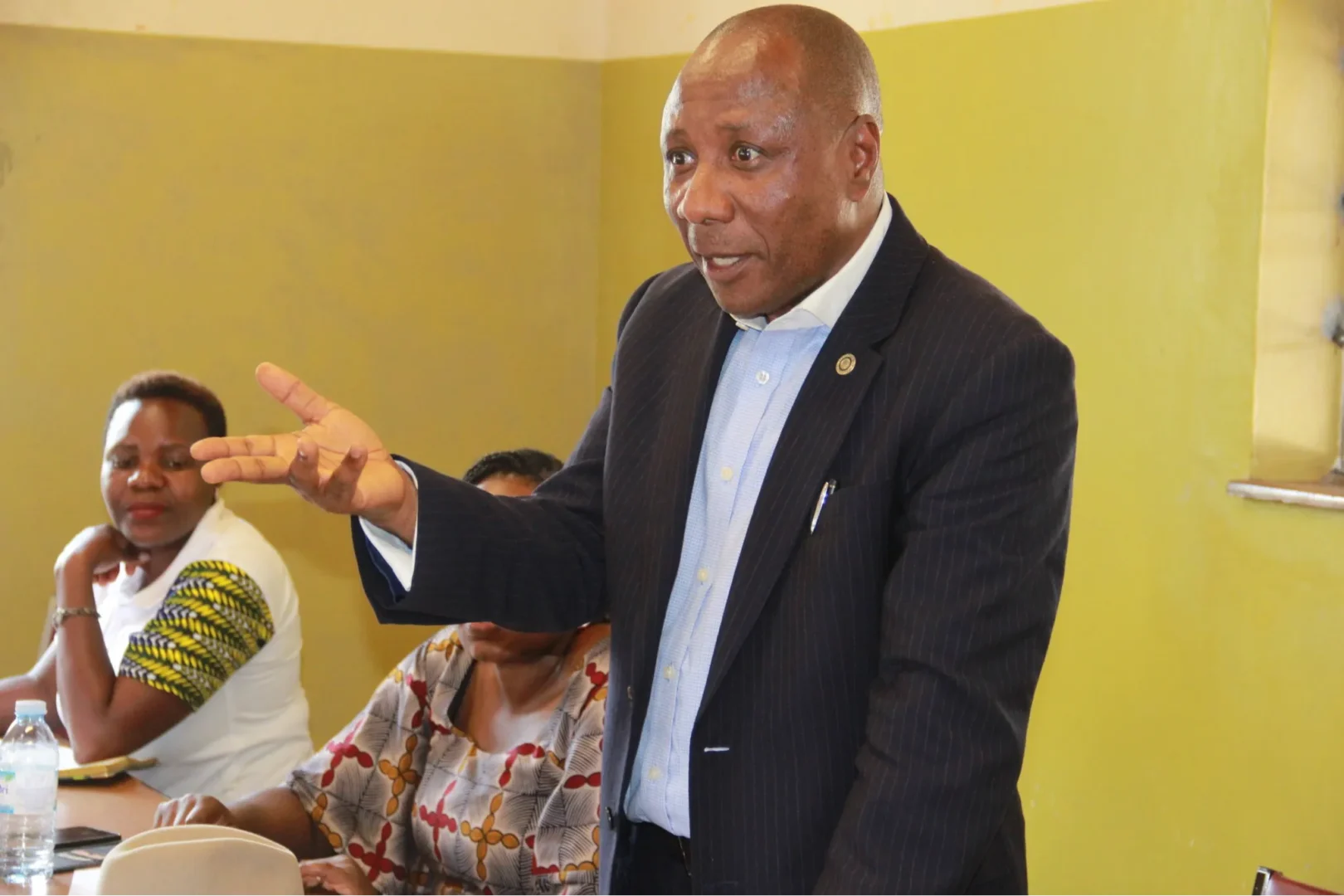
While the government maintains that the ban protects national values and curbs misinformation, critics argue it has negatively impacted businesses, communication, and the tech sector.
Also Read: How Uganda’s digital media revolution is rewriting news, politics and public life
Prior to the ban, Facebook served as a vital marketing tool for small and informal businesses. The platform’s inaccessibility has shifted the social media landscape in Uganda, accelerating the rise of TikTok, which now accounts for approximately 56 per cent of social media traffic in the country by late 2025.
TikTok’s growth has made it a key platform for business promotion and content distribution, while WhatsApp has increasingly been used for direct customer engagement.
Kabbyanga noted that the government is actively engaging with platforms such as X and TikTok to formalize and streamline monetization opportunities for Ugandan content creators.
Human rights organizations, including Unwanted Witness and Amnesty International, have criticized the ongoing suspension, asserting that it curtails freedom of expression and limits political participation, particularly during elections.
