



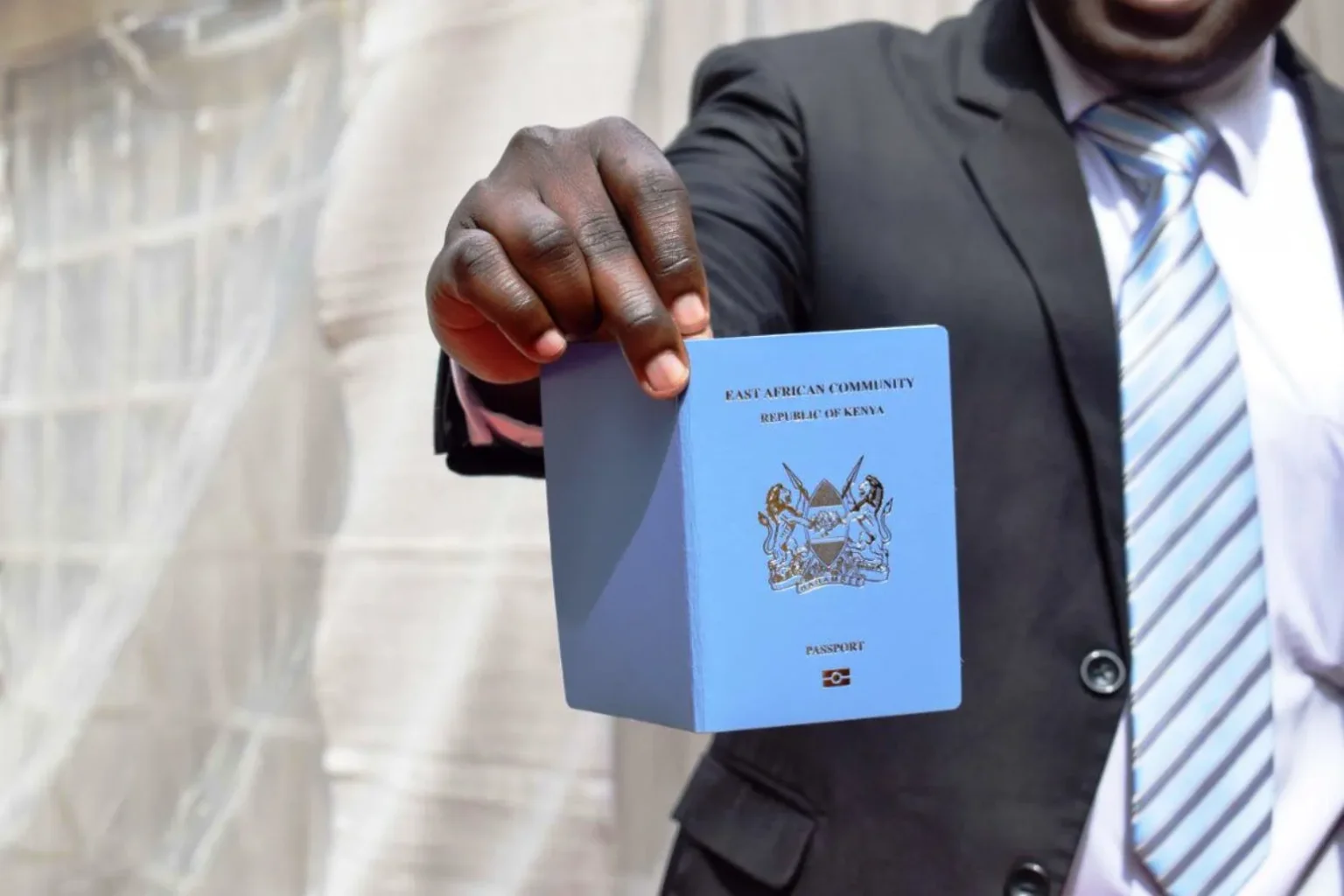
NAIROBI, Kenya — President William Ruto has announced that Kenya has significantly reduced passport processing times, with applicants seeking jobs abroad now able to obtain travel documents within as little as two to three days.
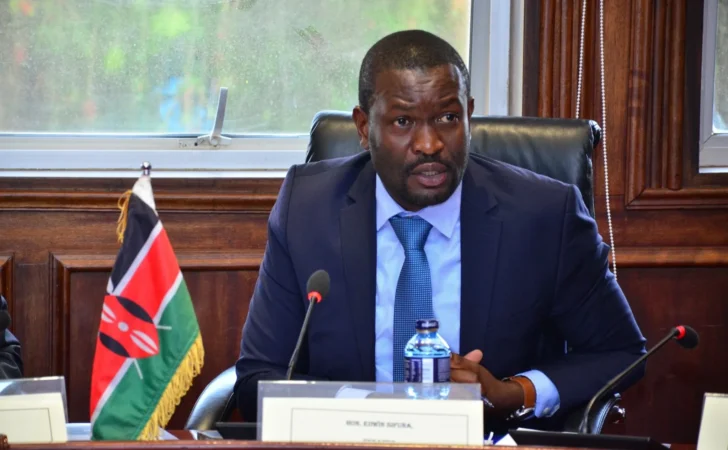
Speaking at the Ambassadors and High Commissioners’ Conference held at the Kenyatta International Convention Centre on Saturday, March 28, the President said the reforms were aimed at easing access to overseas employment opportunities and eliminating longstanding delays.
“Today, we have a clean channel for people to get jobs abroad. If you have a job abroad, it now takes 2-3 days to get your passport,” Ruto announced.
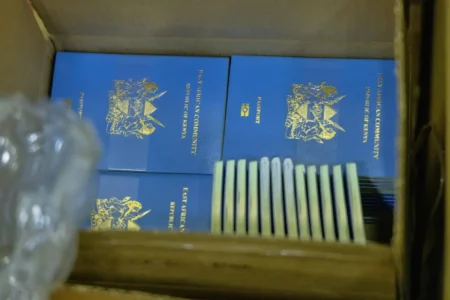
The improvements follow a series of administrative and technological reforms, including the installation of high-capacity passport printers capable of producing more than 10,000 passports daily, double the country’s average demand.
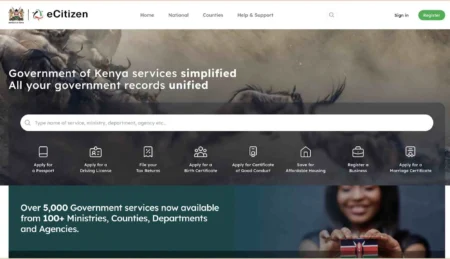
The government has also streamlined services through the eCitizen platform, which serves as the primary gateway for passport applications and renewals.
When President Ruto took office in 2022, passport processing was plagued by inefficiencies, with backlogs exceeding 700,000 applications.
Although official timelines ranged between 72 hours and three weeks after biometric capture, many applicants reported waiting months, sometimes up to six, before receiving their documents.
Despite the President’s assertion of a 72-hour turnaround for urgent cases, a spot check by Vivid voice News indicates that official timelines on the eCitizen portal still list processing periods of approximately 10 working days for first-time applications and five working days for renewals.
Interviews with applicants suggest that while processing speeds have improved, delays persist at the pre-processing stage, particularly in securing biometric appointment slots at high-demand centres such as Nyayo House in Nairobi.
As of March 2026, many applicants report receiving passports within seven to ten days, an improvement from previous years, but still longer than the expedited timeline cited by the President.
The faster processing times are part of a broader government strategy to promote labour migration as a key economic pillar.
According to President Ruto, more than 540,000 Kenyans have secured employment opportunities abroad under this framework.
The initiative aligns with ongoing bilateral labour agreements and increased demand for skilled and semi-skilled workers in international markets, particularly in the Middle East and Europe.
Kenya’s passport has also seen a notable rise in global mobility rankings, reflecting improvements in diplomatic relations and visa access.
Also Read: Kenya denies claims of issuing passports to Sudan’s RSF leaders
According to the Henley Passport Index, Kenya now ranks 64th globally, up from 73rd in late 2025. Within Africa, it places among the top ten, strengthening its position as the most powerful passport in East Africa, ahead of Tanzania (65th) and Uganda (71st).
While the government’s reforms mark a significant shift from the chronic inefficiencies that once defined passport issuance in Kenya, the gap between official claims and user experience highlights ongoing implementation challenges.
Experts note that reducing processing times alone is not sufficient; improving access to application infrastructure, particularly appointment availability, will be critical to ensuring that gains are felt consistently across all applicants.
For now, the government’s push signals a broader effort to modernise public services and position Kenya as a competitive player in the global labour market, even as operational bottlenecks continue to test the system’s efficiency.