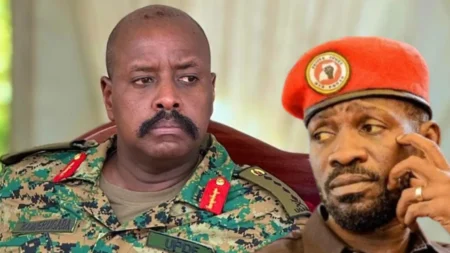
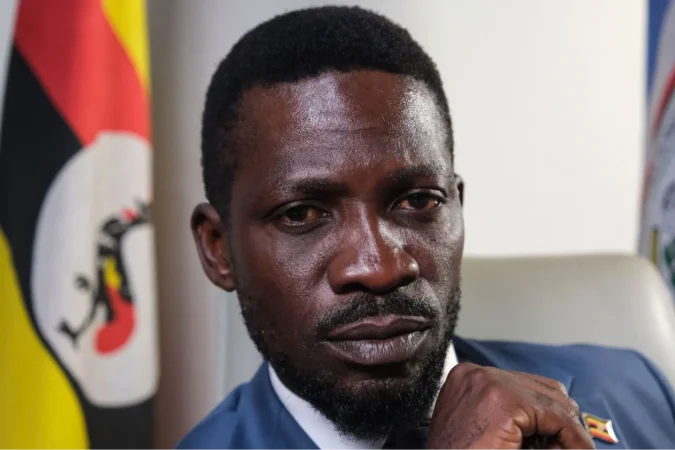


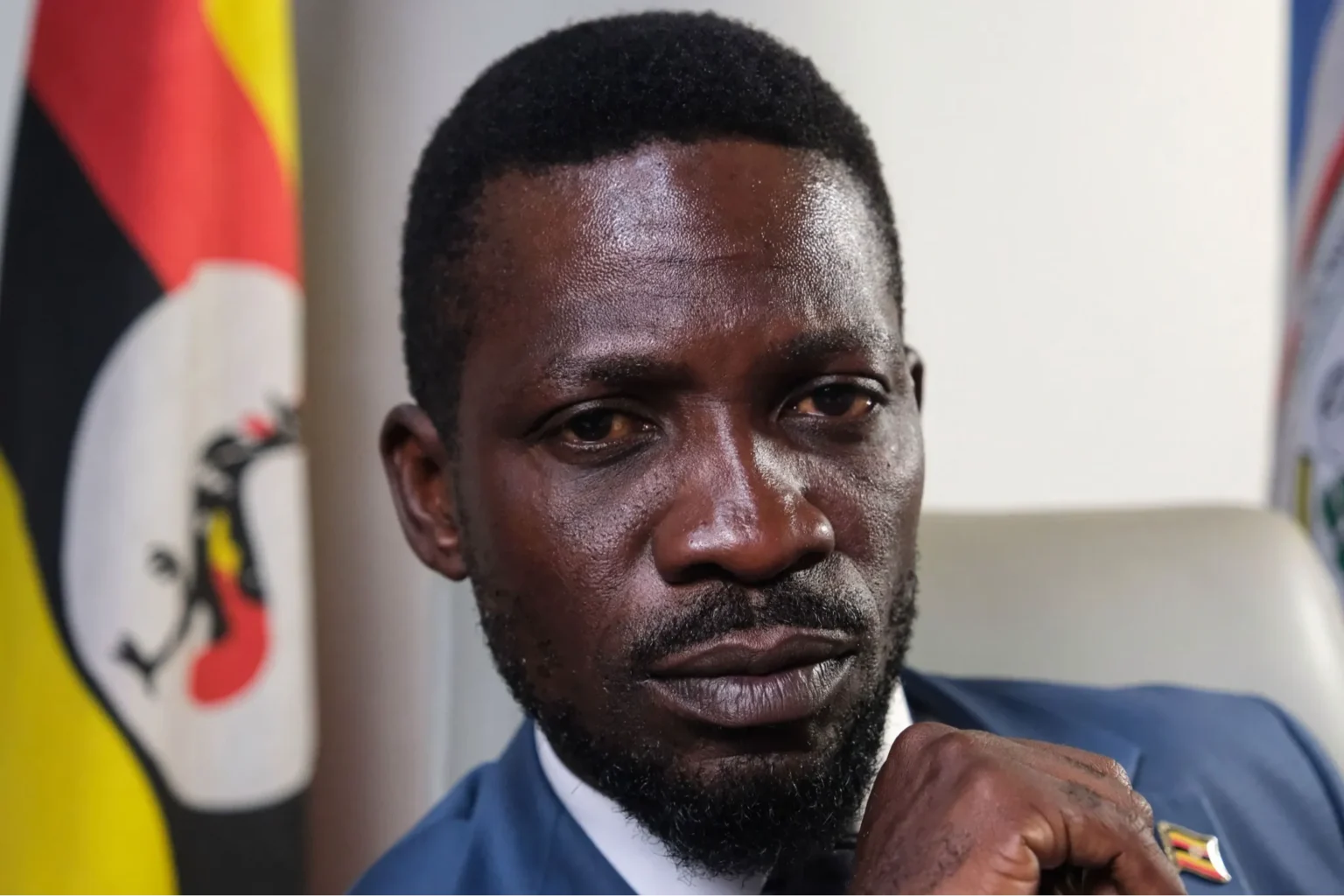
KAMPALA, Uganda — Behind the scenes, a series of discreet but high-level negotiations are reportedly underway between Uganda’s government and the opposition National Unity Platform (NUP) to facilitate the safe return of its leader, Robert Kyagulanyi Ssentamu, popularly known as Bobi Wine from abroad.
According to multiple security sources, the discussions, held over several weeks, are aimed at ensuring that Bobi Wine can return to Uganda without facing criminal charges linked to the disputed January 15, 2026 general election.
While neither side has publicly confirmed the negotiations, developments on the ground suggest a shift in tone. Notably, security forces were withdrawn from Bobi Wine’s residence in Magere earlier on Tuesday, a move analysts interpret as a possible confidence-building measure.
On the opposition side, senior figures within NUP; including National Treasurer Benjamin Katana, Secretary General David Lewis Rubongoya, and Leader of the Opposition Joel Ssenyonyi, are said to be involved in the talks.
Representing the government is reportedly Uganda’s Ambassador to the United Nations, Adonia Ayebare.
However, public responses have been cautious. Katana denied knowledge of the negotiations, while Rubongoya and Ssenyonyi could not be reached for comment. Ayebare indicated he would respond but had not done so by the time of publication.
Despite the denials, sources within the security establishment, speaking on condition of anonymity, confirmed that multiple rounds of talks have taken place and that both sides are now working to finalise the terms of Bobi Wine’s return.
The reported negotiations come amid a broader pattern of what analysts describe as gradual de-escalation by the state. In recent weeks, several senior NUP officials have been released on bail after being detained over alleged election-related offences.
Among them is Jolly Jacklyn Tukamushaba, the party’s Deputy President for Western Uganda, who was granted bail after weeks in detention, including a period when her whereabouts were unclear.
Similarly, Lina Zedriga, NUP’s Deputy President for Northern Uganda, was released on bail following charges of incitement to violence. On March 24, 2026, John Mary Ssebuwufu, a commissioner on the party’s Election Management Committee, was also granted bail after weeks in custody.
However, not all cases have been resolved. Muhammad Muwanga Kivumbi, NUP’s Deputy President for Buganda, remains in detention facing more serious charges, including terrorism-related offences linked to post-election unrest.
Bobi Wine went into hiding shortly after the January elections, citing security concerns, before leaving the country. From abroad, he has continued to criticise the electoral process and call for democratic reforms.
The emerging negotiations suggest a possible recalibration by both the government and opposition, each seeking to avoid further escalation in a politically sensitive period.
Analysts argue that allowing Bobi Wine to return without confrontation could help stabilise the political climate while easing international scrutiny over Uganda’s handling of opposition figures.
Also Read: Bobi Wine’s escape from Uganda raises questions on security
At the same time, the talks highlight the delicate balance between state authority and political dissent in Uganda, where opposition activity has often been met with heavy security responses.
Although no official timeline has been announced, insiders indicate that preparations are being made to ensure Bobi Wine’s return is both “dignified and secure.” Both sides are reportedly keen to avoid any scenario that could trigger renewed unrest or arrests.
If successful, the negotiations could mark a significant moment in Uganda’s post-election trajectory — signalling a shift from confrontation toward cautious engagement.
However, with key details still undisclosed and official confirmation lacking, uncertainty remains over whether the process will lead to a lasting political thaw or merely a temporary easing of tensions.