
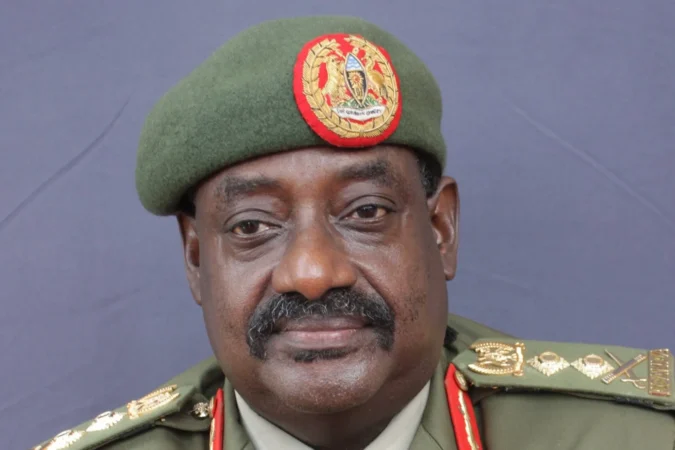


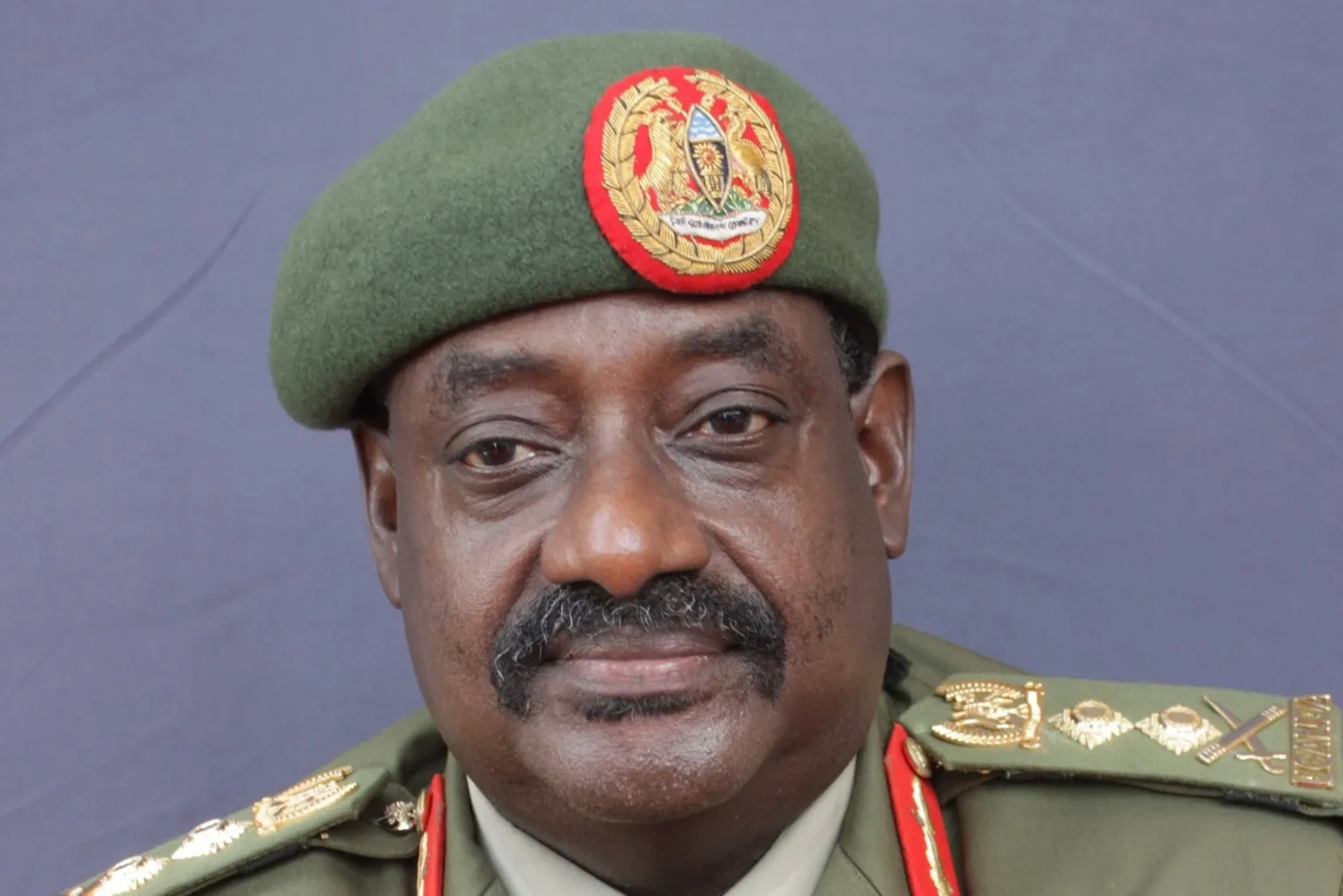
KAMPALA, Uganda — Former Ugandan intelligence chief David Sejusa has defended his decision to flee into exile in the United Kingdom (UK), arguing that the move was dictated by global power structures rather than any ideological alignment with Western dominance.
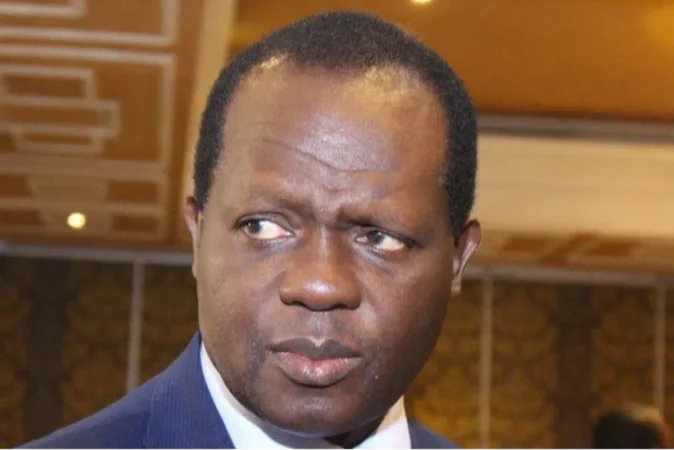
Sejusa, also known as Gen. Tinyefuza, was responding to criticism from journalist and political commentator Timothy Kalyegira, who questioned why the outspoken general chose Britain over African countries when he fled Uganda in 2013.
In a strongly worded statement shared on social media, Sejusa dismissed claims that his exile amounted to support for “imperialism and coloniality,” instead framing the decision as a pragmatic response to geopolitical realities.
“We don’t run to Tanzania, or Kenya, or wherever, not because we love being exploited by Britain and America,” Sejusa wrote.
“But because we know it’s them with power to protect us… It is a result of pure power dynamics.”
Debate over power, sovereignty and refuge
Sejusa reinforced his argument by drawing on biblical parallels, referencing the flight of Jesus’ family to Egypt and the Apostle Paul’s appeal to Rome. He maintained that seeking refuge within dominant global powers should not be interpreted as ideological loyalty.
His remarks have reignited debate across social media platforms about neo-colonial influence, sovereignty, and the reliance of African political actors on Western institutions for protection and visibility.
Kalyegira had earlier criticised Sejusa’s choice of destination, noting that he bypassed neighbouring countries and travelled “all the way to London,” where he later appeared on international platforms such as BBC.
“So, we are all ‘neo-colonised,’ if that’s your point,” Kalyegira wrote.
Background to exile
Sejusa fled Uganda in 2013 after alleging the existence of a covert succession plan, widely referred to as the “Muhoozi Project”—which he claimed aimed to position Gen Muhoozi Kainerugaba, son of President Yoweri Museveni, for future leadership.
He further alleged that military and government officials opposed to the plan had been marked for assassination, claims strongly denied by the government at the time.
Also Read: Ugandan Gen David Sejusa calls on Tanzanian army to take over amid post-election violence
The allegations triggered political tension within Uganda’s security establishment and drew international attention, ultimately leading to Sejusa’s self-imposed exile.
Sejusa’s latest remarks highlight a persistent contradiction in African political discourse: the rejection of Western influence alongside continued reliance on Western legal systems, media platforms and asylum frameworks.
Analysts say this tension reflects broader structural realities, where global power imbalances shape the options available to political dissidents, often limiting viable refuge to countries with established legal protections and international influence.
The retired general later returned to Uganda after several years abroad, but his comments suggest the underlying debate over power, sovereignty and external dependence remains unresolved.