


NAIROBI, Kenya — The Ministry of Agriculture and Livestock Development (Kenya) has announced a nationwide subsidy programme aimed at reducing maize seed costs for farmers ahead of the upcoming planting season, in a move designed to strengthen the country’s food security.
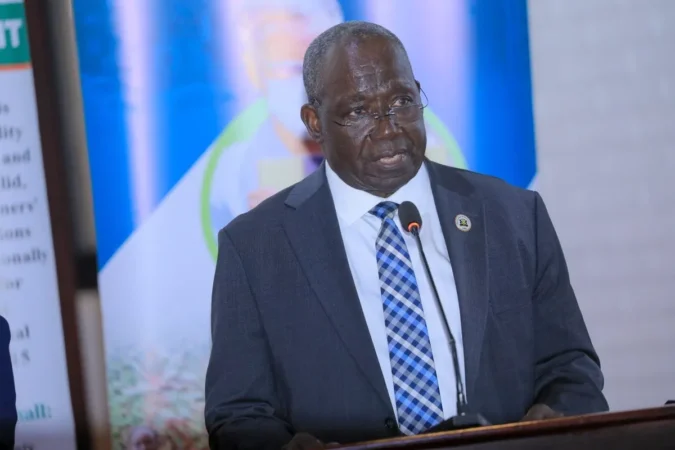
In a statement issued on Thursday, March 12, Principal Secretary Kipronoh Ronoh said the government has allocated KSh2 billion to support the subsidy for the 2025/2026 financial year.
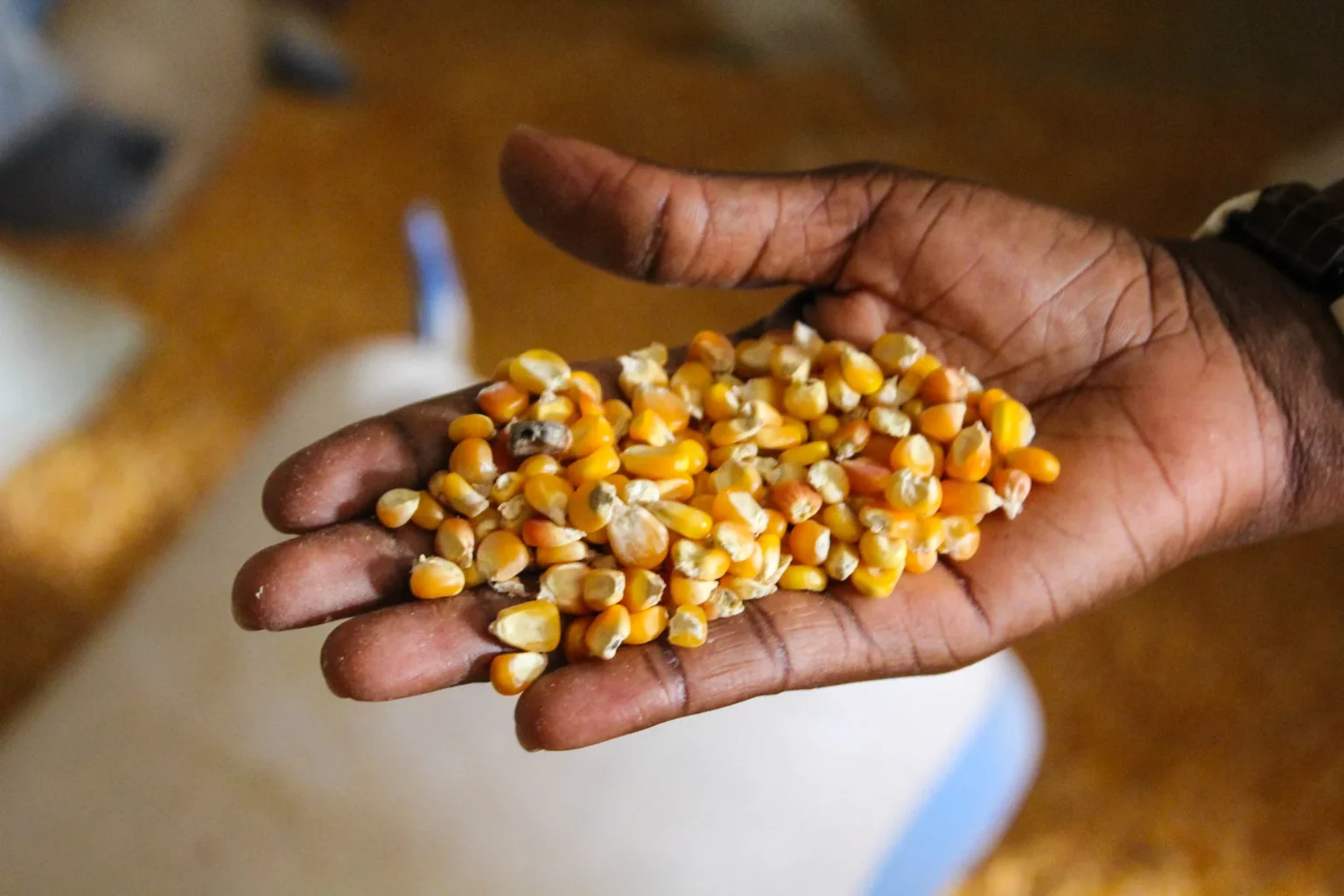
The initiative is intended to make certified maize seeds more affordable for farmers, particularly smallholder producers who form the backbone of Kenya’s agricultural sector.
Under the programme, the government has introduced revised prices for maize seed packages distributed through authorised suppliers:
- KSh250 for a 1 kilogram pack
- KSh500 for 2 kilograms
- KSh2,500 for a 10-kilogram pack
- KSh6,000 for a 25-kilogram bag
The ministry said the pricing adjustments take effect immediately, allowing farmers to access seeds at reduced cost as preparations for the planting season begin across several agricultural regions.
Dr Ronoh said the subsidy programme is designed to increase crop productivity while cushioning farmers from rising agricultural input costs.
By lowering the cost of certified seeds, the government hopes to encourage wider adoption of improved seed varieties that can deliver higher yields and greater resilience to climate variability.
Maize remains Kenya’s staple food crop, grown extensively across key agricultural zones such as the Rift Valley, Western Kenya and parts of the Central Kenya highlands. However, farmers have faced persistent challenges including rising input prices, erratic rainfall and periodic fertiliser shortages.
Dr Ronoh emphasised that the move seeks to empower smallholder farmers and boost agricultural productivity.
He urged seed distributors and farmers to comply with the new pricing framework to ensure the programme delivers its intended benefits.
Also Read: Ruto declares 2026 year of ‘execution at scale’ with pega projects and reforms
The subsidy programme forms part of the government’s broader agricultural strategy to stabilise food production and reduce reliance on imports.
Kenya has in recent years experienced periodic maize shortages linked to drought and supply chain disruptions, prompting authorities to increase investment in farm inputs and agricultural support programmes.
The ministry also called on all stakeholders, including county governments, seed companies and farmer organisations, to collaborate in ensuring the efficient distribution of subsidised seeds across the country.
Officials say effective implementation will be critical to improving harvests and maintaining stable maize supplies in the coming seasons.