



NAIROBI, Kenya — Agriculture remains the backbone of the Kenyan economy, contributing about 33 percent of the nation’s Gross Domestic Product (GDP) and supporting the livelihoods of more than 75 percent of the population.
Yet, despite its significance, the sector faces persistent challenges that have kept it from realizing its full potential.
Climate change, low productivity, outdated practices, and inefficient supply chains have left farmers vulnerable and food systems fragile.
The future of Kenyan agriculture depends on a strategic transformation that blends technology, policy innovation, and the involvement of a new generation of farmers to create a more resilient and sustainable system.
For decades, climate change has posed the greatest threat to agriculture.
Unpredictable rainfall, prolonged droughts, and frequent flooding continue to disrupt traditional farming cycles. Since most farming in Kenya remains rain-fed, even slight weather fluctuations can devastate yields.
Soil degradation caused by over-cultivation and the limited adoption of modern practices further undermine productivity.
Poor infrastructure, especially in rural areas where roads are often impassable, leads to high production costs and significant post-harvest losses.
Compounding these issues is the perception of farming as a labor-intensive and low-return venture, which has deterred many young people from pursuing agriculture.
With an aging farmer population and the high costs of fertilizer, quality seeds, and credit, smallholder farmers—the backbone of the sector—struggle to thrive.
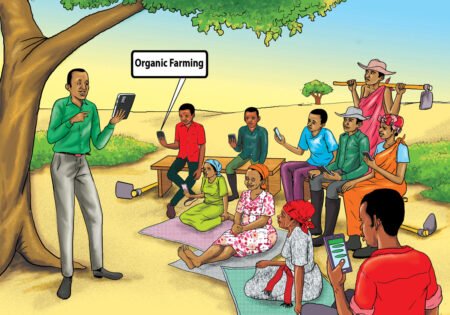
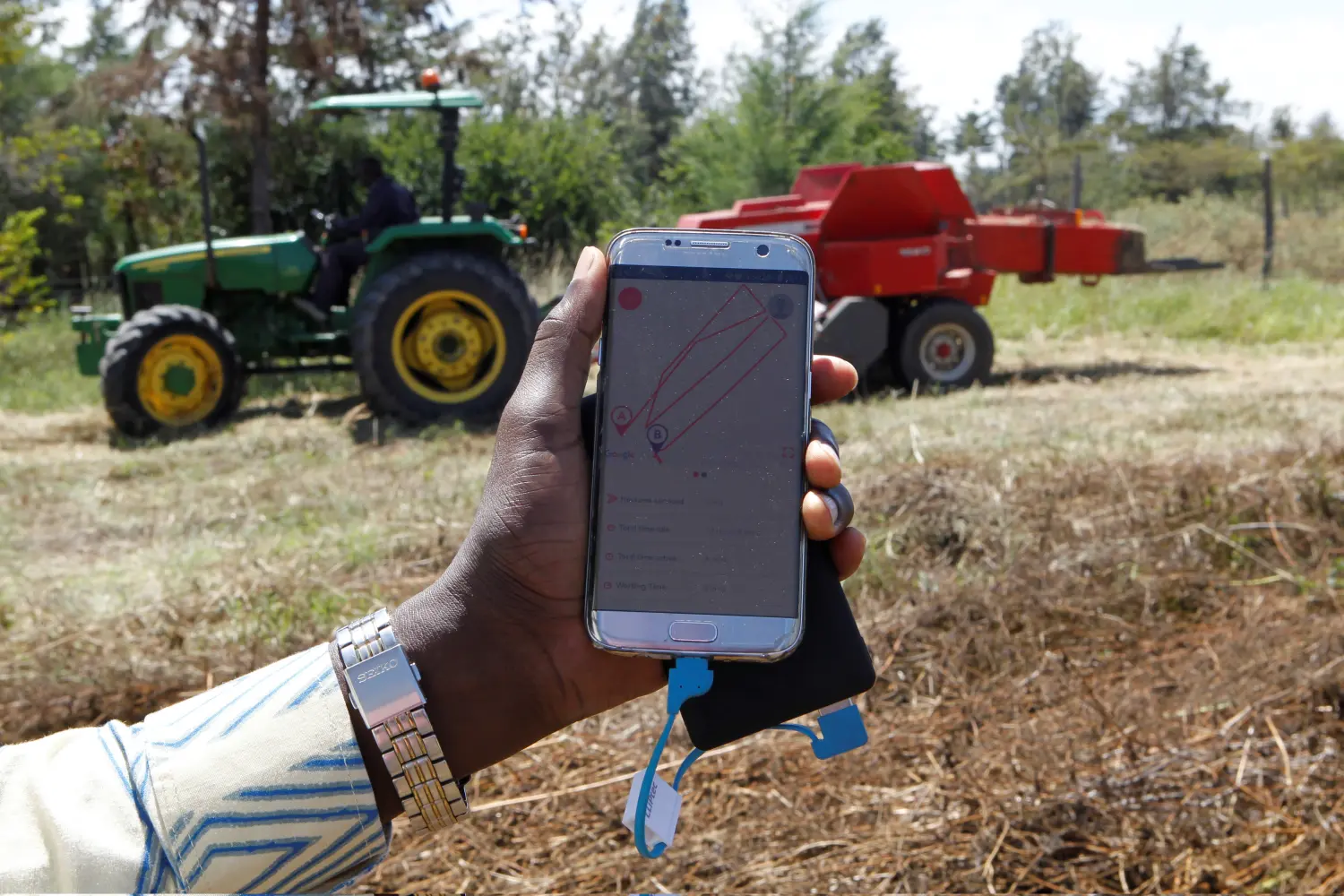
Amid these challenges, technology has begun to transform the agricultural landscape. Agritech innovations are turning traditional farming into a data-driven enterprise. Mobile-based platforms such as Apollo Agriculture are providing farmers with bundled services, including credit, quality inputs, tailored agronomic advice, and access to markets—all powered by machine learning and satellite data.
Dairy farmers are using digital tools like DigiCow to track breeding cycles, vaccination schedules, and milk production, which is helping to boost efficiency and improve herd health. At the same time, smart farming technologies are making inroads through the use of greenhouses equipped with Internet of Things (IoT) sensors.
Solutions such as Synnefa’s FarmShield™ provide real-time monitoring of soil moisture, temperature, and nutrient levels, automatically controlling irrigation and ventilation to optimize growing conditions.
These innovations have increased yields by up to 40 percent while conserving scarce resources such as water.
Drones are another frontier in modern farming, offering high-resolution mapping, targeted spraying of pesticides and fertilizers, and early pest detection. This precision farming approach reduces chemical use, cuts costs, and improves crop health.
Artificial Intelligence (AI) is also being harnessed to analyze large data sets for yield prediction, disease detection, and resource optimization.
For example, the PlantVillage Nuru app allows farmers to diagnose crop diseases simply by taking a picture of an affected leaf, providing instant and actionable solutions.
The Kenyan government has recognized the urgency of transforming agriculture and has rolled out policies aimed at fostering resilience.
The National Agroecology for Food System Transformation Strategy (2024–2033) emphasizes sustainable practices such as agroforestry, composting, and minimal tillage.
Climate-smart agriculture is at the core of government initiatives, with efforts focused on improving water management through harvesting and irrigation, expanding the use of drought-tolerant crops like sorghum and cassava, and strengthening research-extension linkages through public-private partnerships.
Also Read: Africa’s organic farming crossroads: Tradition vs the GMO push
These interventions are intended not only to boost productivity but also to reduce greenhouse gas emissions, cut post-harvest losses, and safeguard food security.
The role of youth is increasingly vital in shaping the future of the sector. Farming, once dismissed as unattractive, is gradually gaining appeal among a younger, tech-savvy generation who see opportunity in agritech and digital markets.
With the right support—access to land, affordable financing, modern technology, and digital literacy training—young farmers can drive an agricultural revolution. Linking farmers directly to markets also ensures they receive fair prices while eliminating exploitative middlemen.
The transformation of Kenyan agriculture will not be defined solely by increased yields but by its ability to build a food system that is sustainable, resilient, and inclusive.
By leveraging digital innovations, embracing climate-smart policies, and empowering young people, Kenya can turn its agricultural sector from a source of vulnerability into a driver of prosperity, ensuring that future generations benefit from a stronger, more secure, and more equitable food system.