


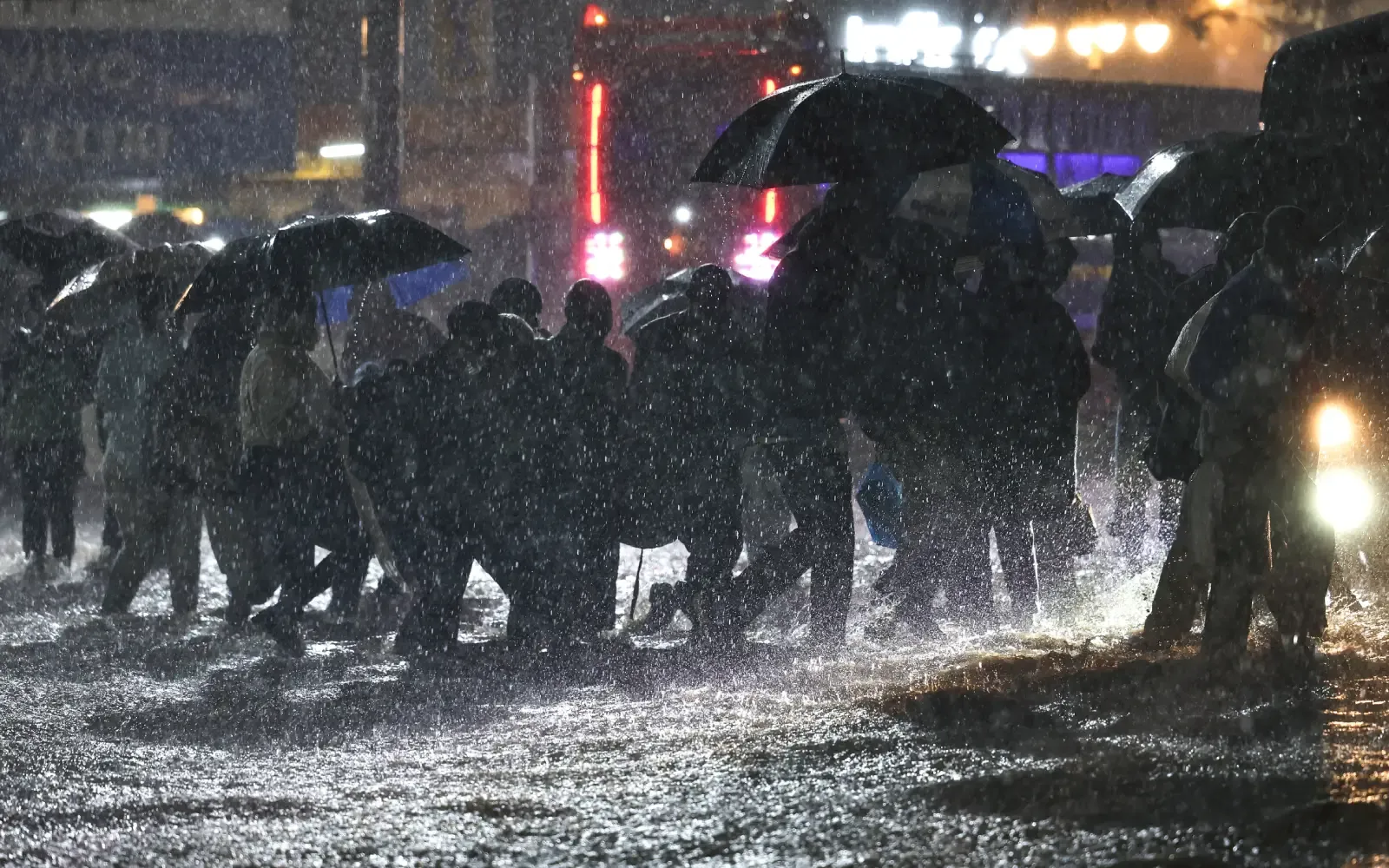
NAIROBI, Kenya — The Kenya Meteorological Department (KMD) has issued a heavy rainfall advisory for the Nairobi metropolitan area, warning residents to remain cautious as showers and isolated thunderstorms continue across the region.
The advisory will remain in force until 7:00 pm on Monday, 9 March 2026, according to the weather agency.
Meteorologists said rainfall intensity has eased slightly compared with the peak downpours recorded between March 4 and March 7, but moderate to heavy rainfall is still expected in several areas, raising the possibility of localised flooding.
Authorities say the ground across much of the Nairobi region remains waterlogged following persistent rainfall that began in late February.
“The expected rains are likely to still cause flooding as the soils are saturated from prolonged wet spells since towards the end of February,” the department said in a statement.
Within Nairobi County, widespread showers are forecast over the next two days, with isolated heavy rainfall expected in southern neighbourhoods including Embakasi, Kibra, Makadara and Kamukunji, as well as parts of Roysambu, Westlands, Dagoretti and Kasarani.
Residents in low-lying and flood-prone areas have been urged to take precautionary measures to minimise potential damage.
Neighbouring Kiambu County is also expected to experience rainfall in areas such as Gatundu, Thika, Juja, Ruiru, Limuru, Kikuyu, Kabete and Githunguri.
Meanwhile, parts of Kajiado County, particularly the northern, western and central regions, are likely to receive intermittent rainfall.
In Machakos County, showers are forecast in Kathiani, Machakos Town, Matungulu, Yatta and northern parts of the county.
The weather department advised motorists to drive carefully on slippery roads and warned pedestrians and drivers against crossing flooded roads or swollen rivers.
Residents have also been encouraged to follow official weather updates and heed safety guidance from local authorities.
Separately, the Ministry of Health Kenya has issued a public health alert over the potential rise in water-borne and vector-borne diseases as the country enters the March–April–May (MAM) rainy season.
In a statement signed by Principal Secretary for Public Health and Professional Standards Mary Muthoni, the ministry warned that continued rainfall could increase the risk of disease outbreaks if preventive measures are not taken.
“The Ministry of Health wishes to alert the public that the ongoing March-April-May long rains are expected to continue in several parts of the country,” the statement read.
“While the rains are important for agriculture and water resources, they may also increase the risk of certain public health threats.”
Health officials said heavy rains and flooding can contaminate drinking water sources, damage sanitation systems and create breeding grounds for disease-carrying insects such as mosquitoes.
Also Read: Kenya Meteorological Department issues heavy rainfall alert for 22 counties
Kenya has historically experienced seasonal outbreaks of diseases including cholera, malaria and dengue fever during prolonged rainy periods.
Authorities are urging communities to ensure proper sanitation, treat drinking water where necessary and eliminate stagnant water around homes to reduce mosquito breeding.
The March–April–May rainy season is one of Kenya’s most important agricultural periods, replenishing water reservoirs and supporting crop production across much of the country.
However, meteorologists say the combination of persistent rainfall and already saturated soils could heighten the risk of flash floods in urban areas, particularly in informal settlements and poorly drained neighbourhoods.
Officials are advising residents in vulnerable areas to move valuables to higher ground and avoid unnecessary travel during periods of heavy rainfall.
