




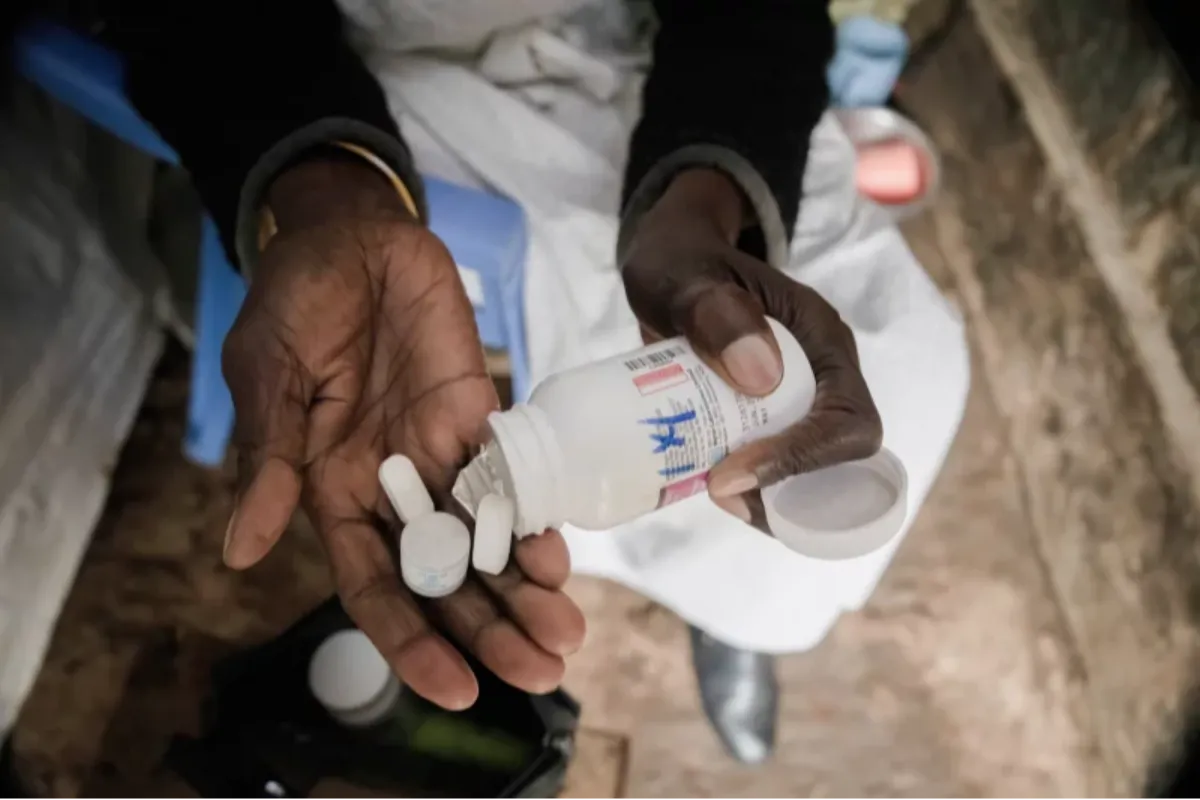
JINJA, Uganda — A court in eastern Uganda has awarded financial compensation to a man who was mistakenly diagnosed with HIV and placed on antiretroviral treatment for seven years, in a case that has intensified scrutiny over medical testing standards and patient safety.
The ruling followed a negligence suit filed by the patient, identified in court records as John Wataka, against the non-profit care provider The AIDS Support Organisation (TASO). The claimant argued that incorrect test results issued in 2016 led to prolonged treatment despite him being HIV-negative.
According to the case details, Wataka was subjected to antiretroviral therapy from 2016 until 2022, when subsequent testing established that he did not have the virus. Court filings indicated that the prolonged medication exposed him to physical, psychological and social consequences associated with living under a false diagnosis.
The court found that the error constituted negligence in the testing and care process, leading to an award of approximately Shs190 million in damages. The compensation reflects both general damages and recognition of the emotional distress and medical risks linked to unnecessary treatment.
Health experts note that HIV diagnosis protocols typically require confirmatory testing before treatment begins, precisely to avoid such errors. A misdiagnosis followed by long-term ARV administration raises questions about laboratory quality control, record management and follow-up verification.
Medical specialists warn that although ARVs are lifesaving for people living with HIV, unnecessary use can result in side effects, stigma and financial burden. The case therefore highlights the importance of strict adherence to diagnostic algorithms and periodic retesting where inconsistencies emerge.
The lawsuit also underscores growing accountability within healthcare systems across East Africa. Courts increasingly treat diagnostic negligence as a civil liability issue, particularly where errors lead to prolonged treatment or psychological harm.
Earlier court proceedings showed the dispute centred on whether negligence claims linked to HIV testing should be handled under specialised legislation or through general civil jurisdiction. The High Court affirmed that such claims can be pursued as civil negligence cases, allowing damages to be considered.
Also Read: Uganda to receive 94,560 doses of Lenacapavir HIV prevention injection
Legal analysts say the ruling may encourage more patients to challenge medical errors while prompting providers to strengthen documentation and verification processes.
Uganda has made significant progress in HIV testing and treatment access, supported by government and non-profit programmes. However, the case illustrates the risks that accompany large-scale testing systems if quality assurance mechanisms fail.
Patient advocates argue that beyond compensation, the incident should drive systemic reforms, including improved laboratory audits, staff training and patient education on seeking confirmatory tests.
For TASO and other care providers, the ruling signals the need to balance rapid treatment initiation with rigorous diagnostic safeguards.