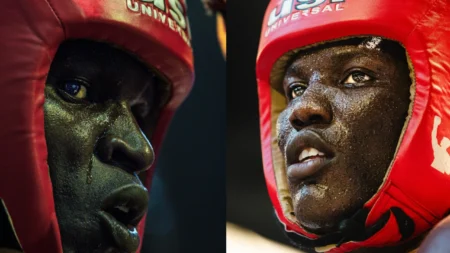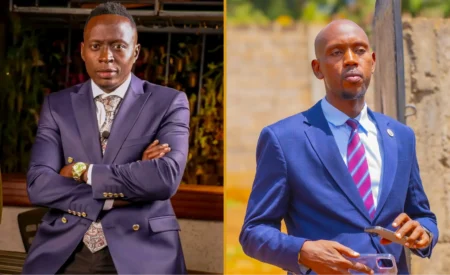


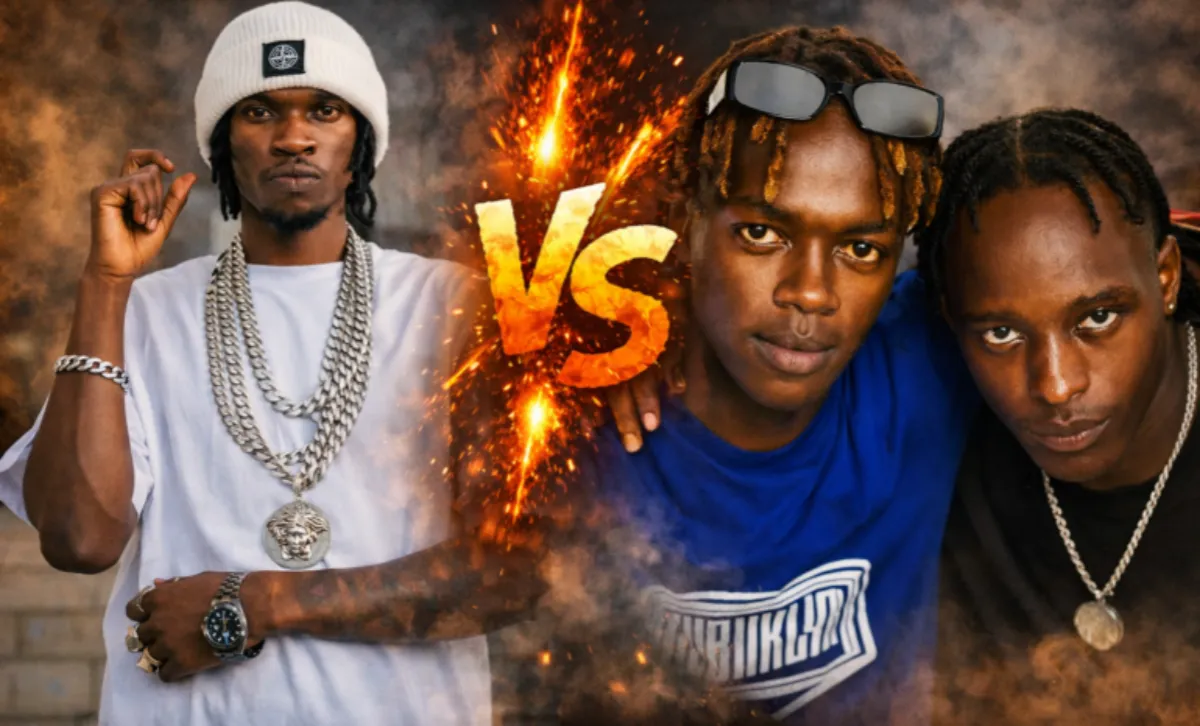
NAIROBI, Kenya — A growing feud between rapper Toxic Lyrikali and Nairobi drill duo Buruklyn Boyz has expanded beyond diss tracks and online exchanges, drawing in a senior Nairobi county official who is now proposing a structured rap battle to defuse tensions.
The dispute, driven by successive diss releases including “Stima,” “Dumpsite,” and “Genje Sana,” has become one of the most visible rivalries in Kenya’s urban music scene, with viral clips, fan debate and reported confrontations intensifying public attention.
The conflict gained momentum after Buruklyn Boyz released “Stima,” widely interpreted as targeting Toxic Lyrikali’s credibility and position within Nairobi’s drill space.
Toxic responded with “Dumpsite,” a track that escalated the lyrical exchange and referenced individuals connected to the broader narrative.
Buruklyn Boyz later dropped “Genje Sana,” reinforcing the back-and-forth dynamic typical of drill rivalries and keeping the feud trending across social media platforms.
Music commentators say the sustained sequence of diss releases has transformed what began as competitive bar-trading into a defining storyline for the Nai-drill genre.
Street tensions raise concern
The rivalry drew additional scrutiny after clips circulated online appearing to show confrontations involving people linked to the two camps.
The reported incident heightened debate about how drill culture, which often draws on neighbourhood identity, can blur into real-world conflict.
While artists have continued releasing music, industry observers have urged restraint, emphasising that competitive rap historically thrives when rivalry remains artistic rather than physical.
Who is Geoffrey Mosiria — and why he is involved
The feud widened after Nairobi county official Geoffrey Mosiria was referenced in diss lyrics.
Mosiria serves as Chief Officer for Citizen Engagement and Customer Service in Nairobi County, a role that places him at the centre of youth outreach, public communication and civic campaigns across the city.
Reporting has previously highlighted his involvement in enforcement operations, community advocacy and urban governance issues, positioning him as one of the county’s most visible youth-facing officials.
Following the lyrical mentions, Mosiria stepped into the cultural conversatio, not only releasing his own music response but also proposing that the artists settle their differences through a live rap battle.
According to social media statements and media commentary, he suggested organising a paid, moderated face-off designed to shift the rivalry back into performance rather than confrontation, framing the idea as an opportunity for talent development and crowd engagement.
His intervention reflects a growing trend in Kenya where civic leaders engage directly with youth culture, particularly music, to shape public discourse and discourage escalation.
Culture, clout and conflict
Analysts note that diss culture often drives streaming numbers, visibility and artist branding, particularly within drill scenes influenced by global hip-hop traditions. However, when rivalries spill offline, promoters and brands may become cautious.
The Toxic Lyrikali–Buruklyn Boyz dispute therefore illustrates both the promotional power of rap beef and the risks associated with blurred boundaries between performance and personal conflict.
Also Read: Rapper Toxic Lyrikali hires boxer Majembe as bodyguard ahead of Mbavu Destroyer fight
With multiple diss tracks already released and Mosiria’s proposed rap battle gaining attention, the feud appears to be entering a pivotal stage.
If the face-off materialises, it could reframe the dispute as competitive artistry rather than confrontation, a shift many industry figures say would benefit both artists and the wider drill movement.
For now, audiences continue to track each new release closely, treating the rivalry as a defining moment for Kenya’s evolving urban music landscape.