




NAIROBI, Kenya — Kenyan health experts are stepping up efforts to counter widespread misinformation surrounding the Human Papillomavirus (HPV) vaccine, warning that persistent myths are undermining national efforts to prevent cervical cancer.
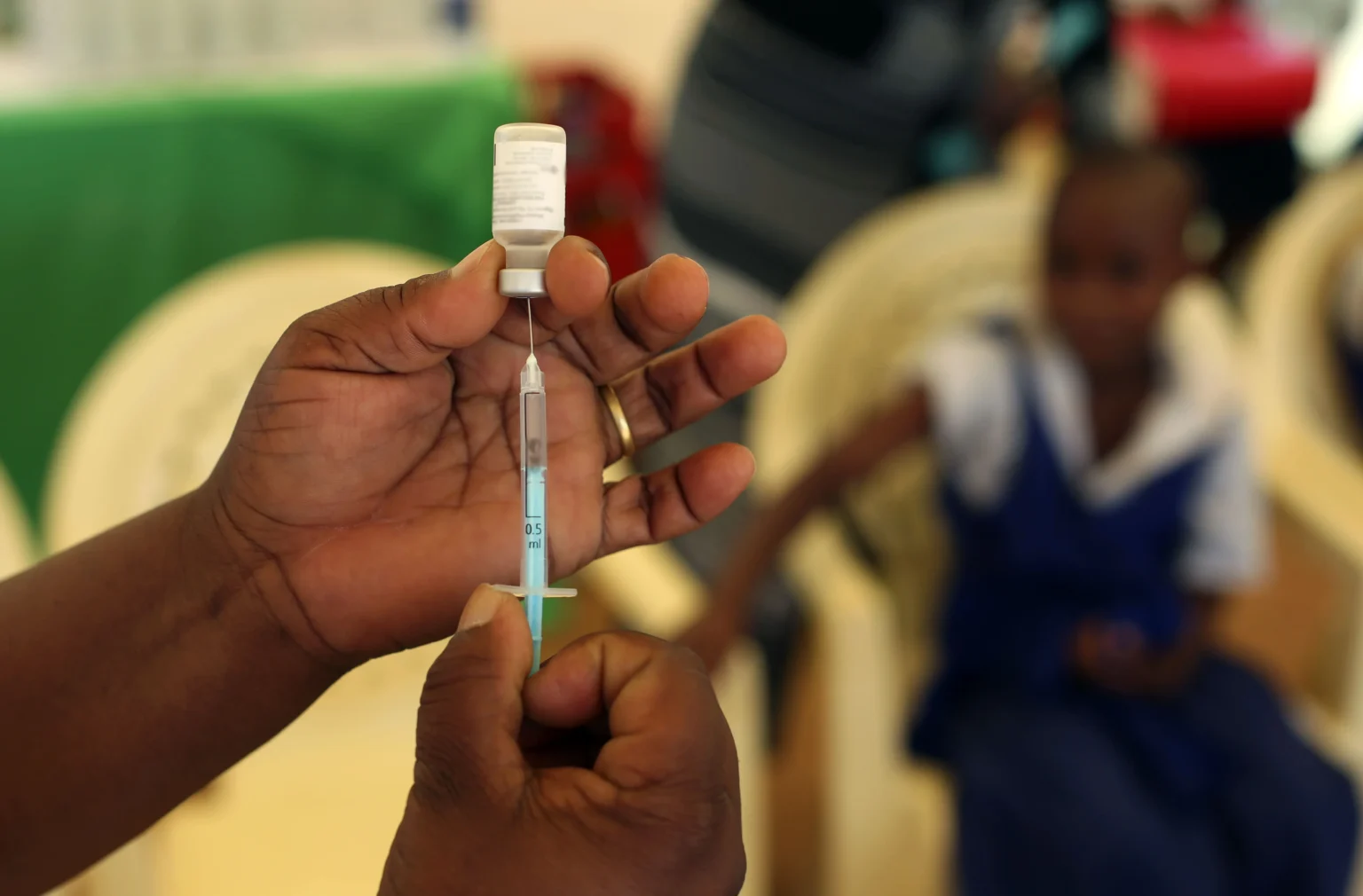
At a town hall meeting held in Nairobi on Thursday, doctors and public health specialists sought to reassure parents that the HPV vaccine, now administered as a single dose, is safe, effective and critical in reducing cervical cancer-related deaths.
Health professionals expressed concern that vaccine apathy, fuelled by misinformation, religious opposition and fear of long-term side effects, has led to alarmingly low uptake in parts of the country. In northern Kenya and sections of the Coast region, vaccination rates have fallen below 1%.
At a roundtable meeting organised by the Kenya Paediatric Research Consortium, clinicians defended Kenya’s transition from a two-dose to a single-dose HPV vaccination schedule. They said the shift is backed by robust global scientific evidence and aligns with updated recommendations from the World Health Organization (WHO).
Moses Matole, president of the Kenya Clinical Officers Association, urged, “We urge all parents with girls of that age to visit their nearest facilities and have their daughters vaccinated against cervical cancer.”
Medical experts at the meeting dismissed claims that the vaccine causes infertility or long-term health complications, describing them as unfounded and unsupported by science.
Dr Victor Teti of the Kenya Obstetrics and Gynaecological Society said, “There’s a lot of hesitancy about the vaccine and concerns over side effects. I want to make it clear from a professional point of view that this vaccine is 98% effective when given between the ages of 10 and 14 years.”
The HPV vaccine targets girls aged between 10 and 14 and protects against cervical cancer — one of the leading causes of cancer-related deaths among women in Kenya. According to health authorities, the disease claims an estimated 3,500 lives annually in the country.
Dr Nelly Bosire, an obstetrician and gynaecologist, stressed the importance of a comprehensive approach to prevention and treatment, saying, “We will continue to advocate for primary prevention, which is the vaccine; secondary prevention, which is screening; and tertiary prevention, which is treatment of all those diagnosed as early as possible.”
Also Read: Kenya launches twice-yearly HIV prevention injection with Lenacapavir rollout
Despite national vaccination campaigns, regional disparities persist. Dr Bosire noted, “Prevalence of HPV uptake is lowest in the northern and coastal regions, where uptake has been less than 1%. In fact, in Mombasa County, the county immunisation coordinator is very distressed, returning 80% of the vaccines they requisitioned because they are not being taken up.”
Globally, the HPV vaccine has been administered for more than a decade, with millions of doses delivered safely across multiple countries. The WHO endorsed the single-dose schedule after studies demonstrated it provides comparable protection to the two-dose regimen, particularly in younger adolescents.
Health experts warn that unless misinformation is addressed and public trust restored, Kenya risks missing a critical opportunity to significantly reduce cervical cancer cases — a disease that is largely preventable through vaccination and early screening.