




NAIROBI, Kenya — The United States Department of Justice has released a massive tranche of documents related to convicted sex offender Jeffrey Epstein, drawing fresh global attention after recently disclosed material included references to Kenya and Tanzania.
More than three million pages of records, along with over 2,000 videos and 180,000 images, were published on January 30, 2026, under the Epstein Files Transparency Act.
The law, enacted by the US Congress in 2025, mandates disclosure of all unclassified material connected to the decades-long investigation into Epstein’s activities and associations.
The documents stem from cases spanning years of federal investigations in both Florida and New York.
While many pages remain heavily redacted to protect privacy and sensitive material, the latest release has provided a vast trove of new correspondence, travel arrangements and images that illustrate the wide reach of Epstein’s social network.
Mentions of Kenya and Tanzania
Among the files are emails and travel logistics that reference Kenya and Tanzania, though not in the context of any official allegation against those countries or their governments.
One widely reported example concerns an email exchange about plans for a trip to Kenya by Epstein’s associate, publicist Peggy Siegal, in late 2009. In a message titled “Kenya,” Siegal detailed her itinerary, landing in Amsterdam and Nairobi, with plans to visit the Maasai Mara and take photographs with members of local communities.
She wrote:
“We land the morning of the 19th in Amsterdam and late evening of the 19th in Nairobi. On Sunday morning, we fly into the bush in the Masai Mara.”
Addressing Epstein directly, Siegal thanked him:
“We cannot thank you enough, yet another life experience.”
The email also noted plans for a later visit to the Kenyan coast, including Lamu, before returning to the United States. Epstein replied simply: “you will be amazed by the aroma.”
In other parts of the released material, Tanzania is mentioned primarily as a geographic reference in itineraries or as a destination visited by individuals within Epstein’s circle.
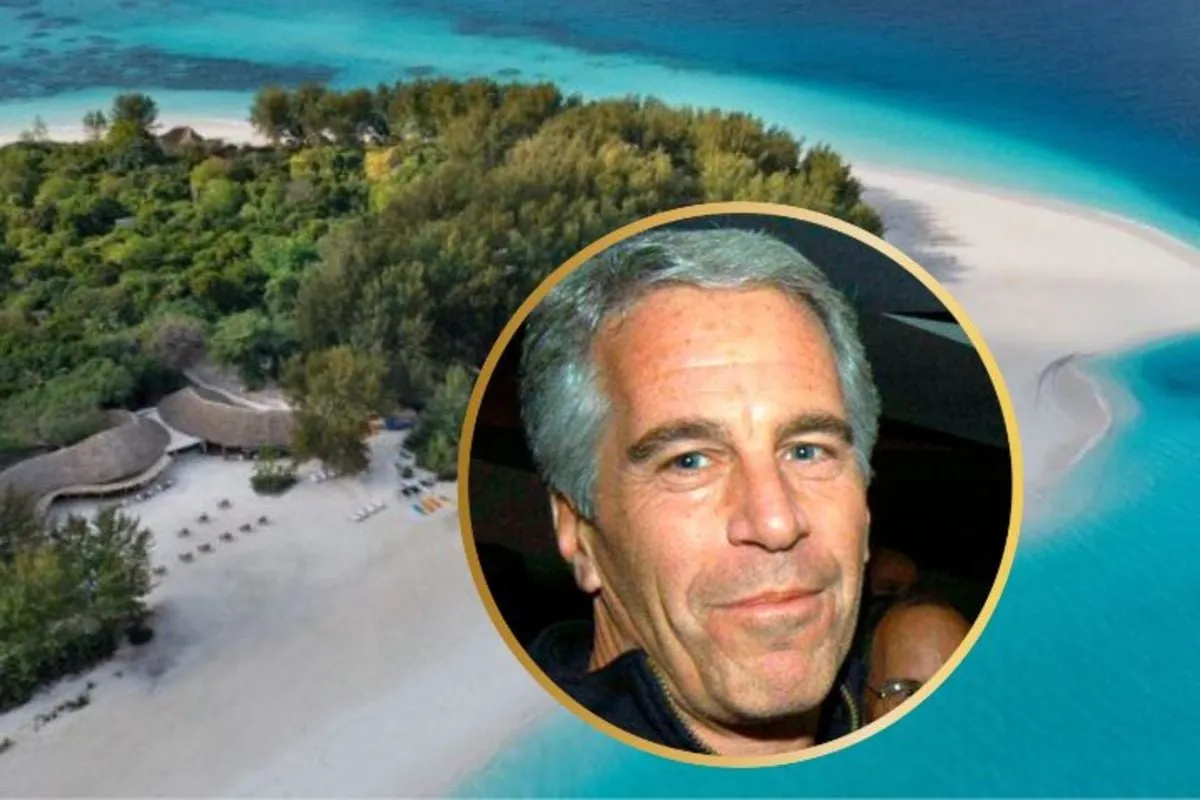
For example, luxury destinations such as Mnemba Island in Tanzania appear in travel contextual notes, underscoring the use of high-end tourist locations within the network’s leisure plans.
It is important to note that these mentions are in the context of leisure travel and do not carry any direct evidence of illegal conduct linked to Kenya or Tanzania in the publicly released files.
They reflect planning and social communication among individuals associated with Epstein rather than allegations against institutions or nations.
About the document release
The Epstein Files Transparency Act, passed overwhelmingly by the US House and Senate in November 2025 and signed into law later that month, required federal authorities to disclose previously withheld records related to Epstein’s cases.
Deputy Attorney General Todd Blanche said the January release brought the department into compliance with the legislation, though critics argue that roughly half of all potentially pertinent files identified by prosecutors, around six million pages, remain unpublished or redacted.
Also Read: US Justice Department pulls Epstein files after victims’ identities exposed
The disclosure has generated both praise for increased transparency and criticism from survivors and advocates who contend that the release has exposed victim identities while continuing to protect powerful individuals from full scrutiny.
A group of survivors described the situation as “outrageous… once again, survivors are having their names and identifying information exposed, while the men who abused us remain hidden and protected.”
What the files show — and don’t show
Beyond references to travel, the released material underscores the breadth of Epstein’s connections with elite social networks, including politicians, business figures and cultural influencers across the world.
Yet authorities emphasise that publication of these documents does not imply criminal charges against every individual or location mentioned.
Much of the public release is heavily redacted to protect the identities of survivors and to exclude content that could harm ongoing legal processes.
Lawmakers, including some Democrats in the US House, have urged the Justice Department to disclose additional materials such as unredacted interviews, draft indictments and recovered electronic files.
For Kenya and Tanzania, the context in the new disclosures emphasizes their role as sought-after travel destinations rather than sites of criminal wrongdoing in the released records.
The focus on safari lodges, coastal stays and personal travel plans reflects the leisure-oriented nature of those mentions.