


KAMPALA, Uganda — In the aftermath of Uganda’s 2026 general elections, a familiar debate has resurfaced: whether the country’s opposition, now led in prominence by Robert Kyagulanyi, popularly known as Bobi Wine, can succeed where its predecessors failed, or whether it is repeating the same patterns that have kept President Yoweri Museveni in power for nearly four decades.
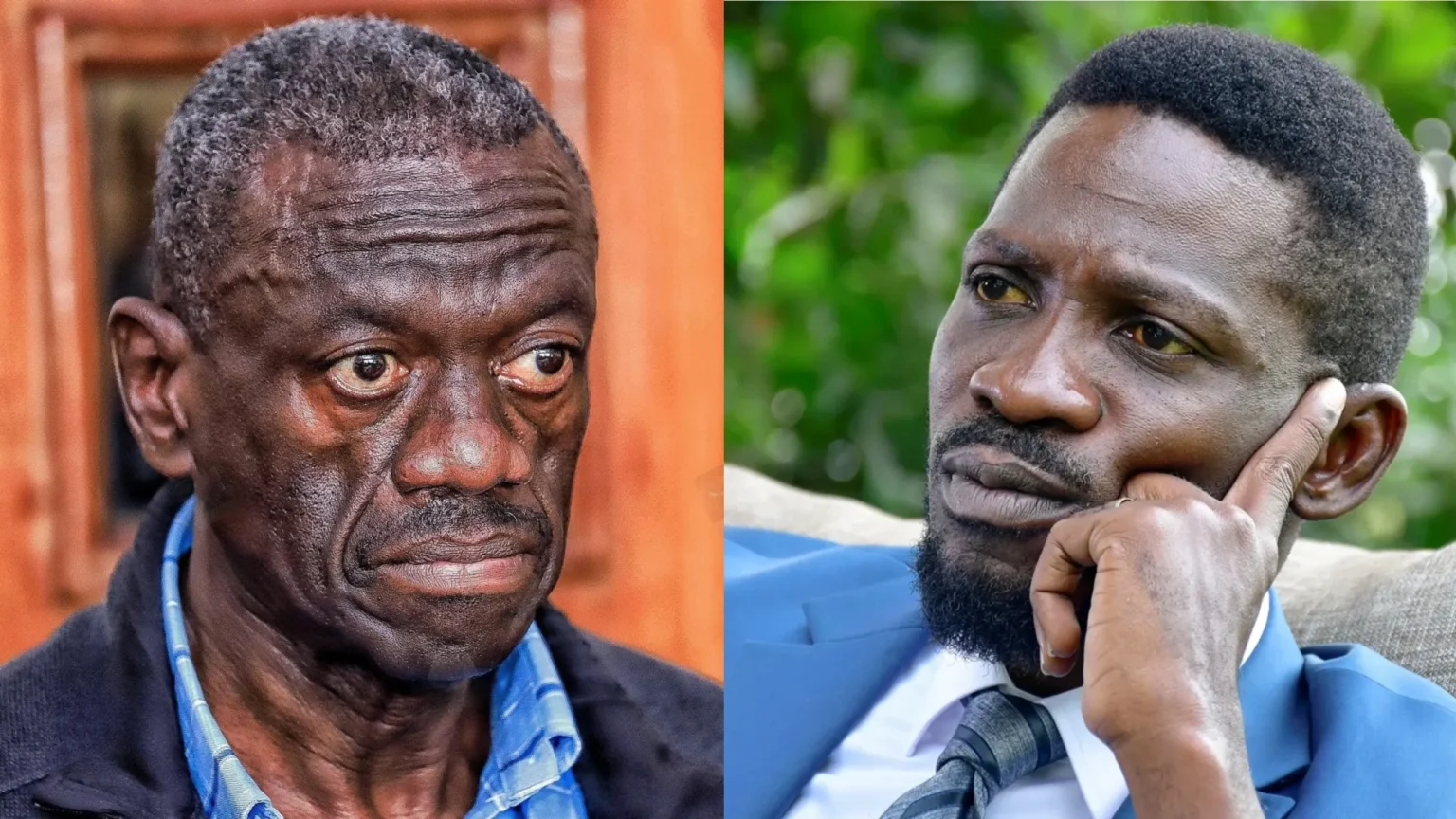
The comparison is inevitable. Bobi Wine’s rise has often been framed as a generational rupture from the era of Dr Kizza Besigye, the veteran opposition figure who challenged Museveni four times and is now imprisoned.
Yet beyond personalities, Uganda’s opposition has long struggled with structural weaknesses that no single leader has been able to overcome.
The early opposition: Constrained pluralism
Uganda’s post-1986 political order was shaped by Museveni’s National Resistance Movement (NRM), which governed under a “no-party” or Movement system for two decades.
While opposition politics formally returned with the reintroduction of multiparty democracy in 2005, the institutional landscape was already heavily skewed in favour of the incumbent.
Early opposition parties such as the Democratic Party (DP) and the Uganda People’s Congress (UPC) were weakened by internal divisions, ageing leadership and limited grassroots mobilisation after years of political suppression.
Their inability to adapt to a militarised and centralised state left a vacuum that new opposition actors attempted to fill.
Dr Besigye and the era of confrontation politics
That vacuum was most visibly occupied by Dr Kizza Besigye, Museveni’s former ally turned fiercest critic.
From 2001 to 2016, Dr Besigye embodied a confrontational style of opposition politics, combining electoral participation with mass protests and civil disobedience.
Dr Besigye’s campaigns energised sections of the urban electorate and exposed electoral irregularities, but they also revealed the limits of resistance politics in a system where the security forces, courts and electoral institutions remained firmly under executive influence.
Despite repeatedly uniting different opposition factions behind his candidacy, Dr Besigye never succeeded in translating popular discontent into electoral victory.
Over time, fatigue set in, both among voters and within opposition ranks, as cycles of protest were met with repression, arrests and legal stalemates.
His eventual imprisonment has come to symbolise both the personal cost of defiance and the institutional closure faced by opposition leaders who challenge the state too directly.
Bobi Wine and the promise of generational change
Bobi Wine’s emergence after 2017 appeared, at first, to rewrite the script. Young, charismatic and culturally influential, he mobilised a new generation of voters, particularly in urban areas, who had grown disillusioned with traditional opposition politics.
His National Unity Platform (NUP) transformed electoral enthusiasm into parliamentary gains in 2021 and consolidated its position as the largest opposition force. Yet the 2026 elections underscored the enduring constraints of Uganda’s political environment.
Despite widespread support among youth and urban voters, Bobi Wine struggled to expand his appeal into rural constituencies, where patronage networks, local power brokers and security structures remain decisive.
Like Dr Besigye before him, he confronted a state apparatus that framed opposition mobilisation as a security threat rather than a democratic contest.
The problem of opposition unity
One of the most persistent weaknesses of Uganda’s opposition has been its failure to sustain unity beyond election cycles. Coalitions have often been temporary, personality-driven and plagued by mistrust.
Efforts such as The Democratic Alliance and other joint platforms have collapsed over leadership disputes, ideological differences and competition for donor support.
Rather than presenting a single, coherent alternative to the NRM, opposition parties frequently fragment, diluting their electoral strength.
This disunity has allowed Museveni to portray himself as the only guarantor of stability in a region marked by conflict, while positioning the opposition as divided, inexperienced or reckless.
Institutions, not individuals
At the heart of Uganda’s opposition dilemma lies a deeper structural reality: elections are contested in a system where the referee is not neutral.
The Electoral Commission (EC), judiciary and security agencies are widely perceived, by opposition supporters and international observers alike, as lacking independence.
Also Read: Bobi Wine rejects court challenge, calls for protests after Museveni’s re-election
This has created a paradox for opposition leaders. Participation in elections confers legitimacy on a process they believe is flawed, while boycotts or street protests invite repression and international fatigue.
Neither Dr Besigye’s strategy of defiance nor Bobi Wine’s blend of electoral politics and mass mobilisation has resolved this contradiction.
A movement at a crossroads
The post-2026 moment leaves Uganda’s opposition at a crossroads. Dr Besigye’s imprisonment has reignited debate about the costs of confrontation, while Bobi Wine’s continued popularity raises questions about whether charisma alone can overcome entrenched power structures.
For the opposition to evolve, analysts argue it must move beyond personality-centred politics and invest in long-term grassroots organisation, rural outreach and institutional reform campaigns.
Without unity, strategic patience and credible succession planning, Museveni’s dominance is likely to persist, regardless of who leads the opposition.
Uganda’s political history suggests that change, when it comes, may not be sudden or dramatic, but the product of slow, difficult realignment within both the opposition and the state itself.