


BUTAMBALA, Uganda — As Uganda’s highly contested 2026 general elections draw to a close, one of the most grim and contested incidents has unfolded not in a polling station, but inside the family home of an opposition lawmaker.
In the early hours of January 16, Butambala County Member of Parliament (MP) Muhammad Muwanga Kivumbi, himself a defeated candidate, alleged that security forces stormed his residence and shot dead members of his campaign team, a claim police and the ruling government vehemently deny.
The resulting clash of narratives has become emblematic of deeper fissures in Uganda’s political landscape, raising profound questions about state power, electoral legitimacy and the use of lethal force in managing dissent.
In Kivumbi’s telling, the incident was not a spontaneous flare‑up but a targeted and lethal operation.
According to his account, security personnel raided his home in Bugoye village, Gombe Sub‑county, as vote tallying continued at the district centre, forcing many inside to flee for safety and ultimately killing around ten campaign team members inside the property.
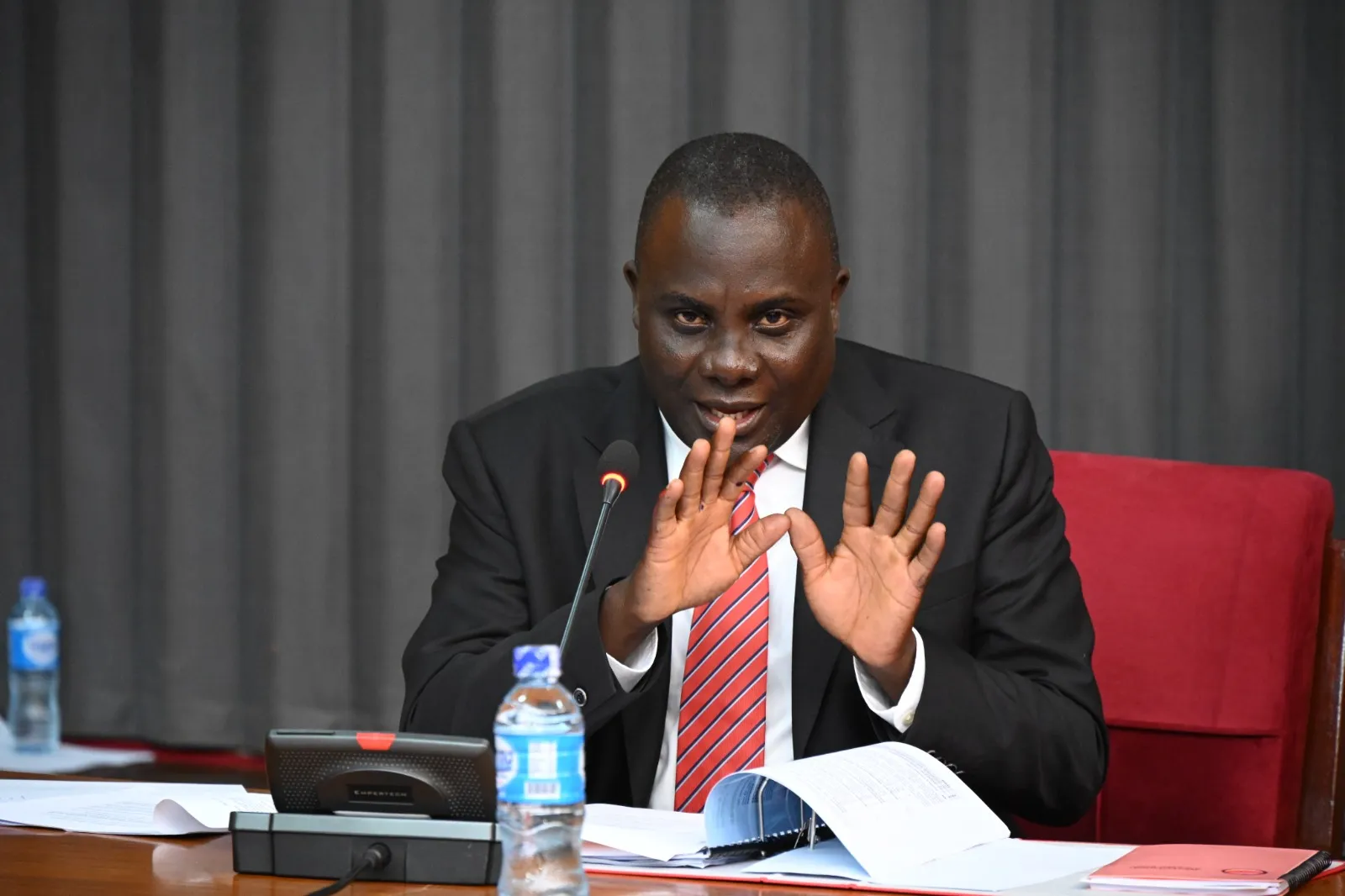
“They were killed inside my house,” Kivumbi said, adding that he was the intended target of the operation. “They weren’t even on the road. They were looking for me.”
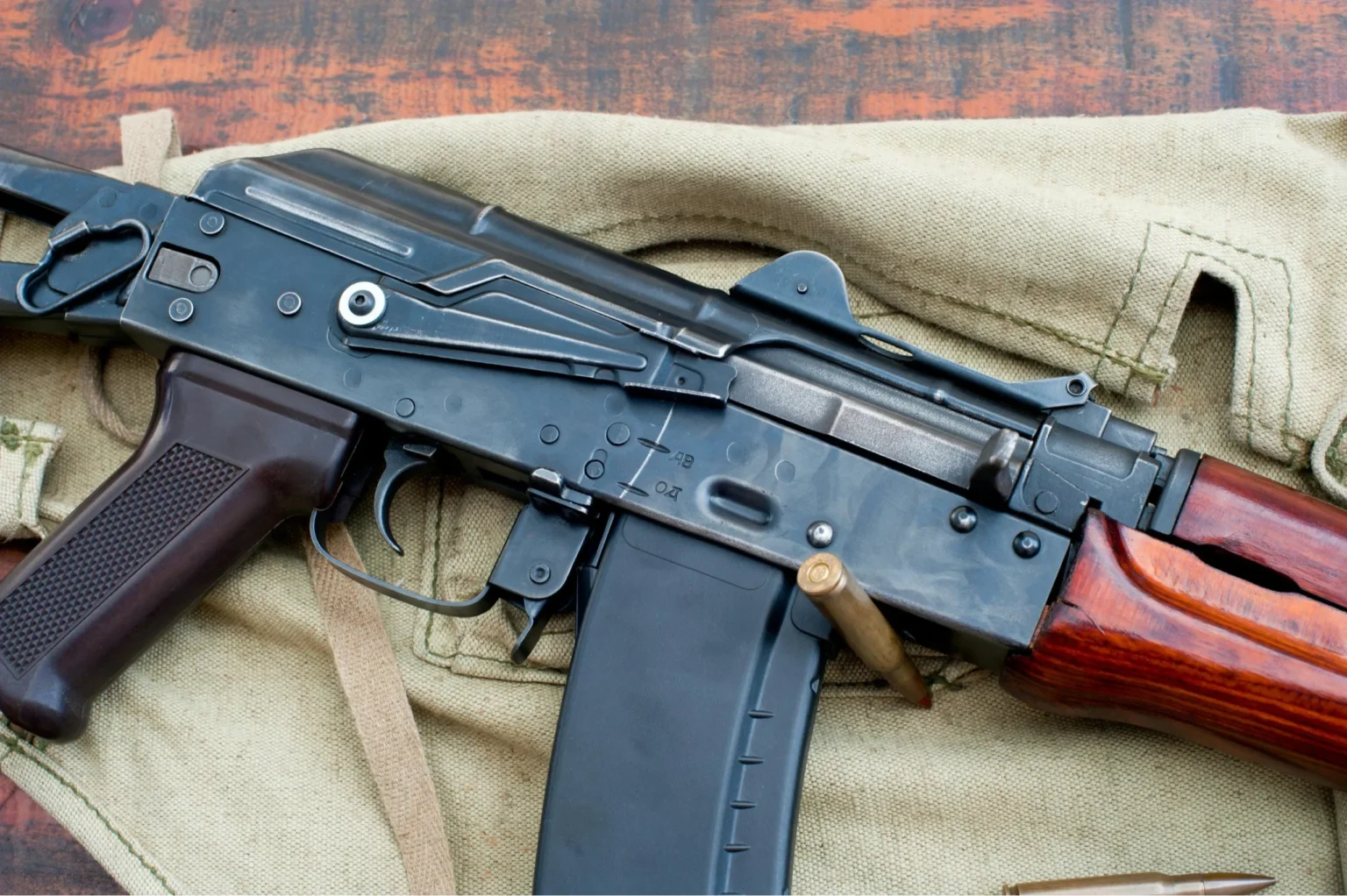
Video footage circulating the following morning reportedly shows bullet holes in doors and walls of the compound, suggesting heavy gunfire, the kind of imagery that has now become hard to verify independently in a climate where communications were already severely restricted by an internet blackout imposed during the election period.
Contrasting official narrative
The police and government leadership have offered a sharply different account.
Regional police spokesperson Lydia Tumushabe asserted that officers were responding to violence earlier in the day, including alleged attempts by “opposition supporters” to attack the local tally centre and police station,” with police using force to protect public order.
Official statements put the death toll at seven people killed amid clashes, framing the intervention as a response to unrest rather than a deliberate attack on a residence.
In remarks following the publication of election results, President Yoweri Museveni described the incident in securitised terms, suggesting intelligence indicated planned attacks on state installations by armed elements in the opposition.
“In Butambala, Kivumbi was defeated, and the plan everywhere was that where NUP lost, gangs armed with pangas would attack polling stations,” Museveni claimed, contextualising the violence as necessary to protect democratic infrastructure rather than an abuse of force.
This duelling constellation of narratives, one of targeted state violence and another of justified defensive action, reflects longstanding mistrust between the government and opposition parties.
The National Unity Platform (NUP), of which Kivumbi is a member, has been at the forefront of resisting what it describes as systematic repression targeting dissent ahead of and during the election.
A broader pattern of post‑election tension
The Butambala incident did not occur in isolation. Across the country, election night has seen clashes, arrests and reports of violence, with at least seven deaths reported in the region as political tensions spilled into public unrest.
Meanwhile, opposition presidential candidate Bobi Wine, widely seen as the leading challenger to Museveni’s long rule, reported that security forces raided his home, cut off communications and effectively placed him under constraint to prevent unrest, allegations vigorously denied by authorities.
These events unfold against the backdrop of an internet shutdown that accompanied the election, a strategy critics say was intended to stifle reporting and hinder real‑time documentation of electoral conduct and violence.
Rights groups and international observers have condemned this digital blackout as a form of suppression that amplifies information asymmetries and hinders accountability.
Political stakes and implications
Kivumbi’s defeat to independent candidate Eriasa Mukiibi does not fully explain the ferocity of the post‑election confrontation.
Instead, what is unfolding speaks to a broader struggle over political space in Uganda, where the ruling National Resistance Movement (NRM) led by Museveni has maintained power for four decades, often amid allegations of intimidation, repression and the curtailment of civil liberties.
Critics point to the internet blackout, reported arrests of opposition figures, and now the fatalities in Butambala as symptoms of a political machinery resistant to meaningful challenge.
For its part, the opposition contends that the security forces’ actions amount to gross abuses meant to intimidate and possibly erase dissent.
Speaking at his residence, Kivumbi described the security presence and actions as disproportionate and unjustifiable, asserting that the violence had rendered electoral victory moot in the face of lost lives and broken trust.
Opposition figures are now calling for independent investigations to clarify the circumstances under which the deaths occurred and to hold accountable those responsible if wrongdoing is established.
Such demands reflect deeper concerns about rule of law, transparency and the conduct of security organs in political contests.
What it all means
The Butambala episode underscores a sobering reality: in contemporary Uganda’s electoral politics, the battlefield extends beyond ballot papers to the mechanisms of state coercion and informational control.
Competing narratives over the deaths of campaign workers illustrate how the same event can be framed alternately as a defensive act of state protection or as a punitive and violent crackdown on political participation.
Until independent inquiry and clearer documentation emerge, the truth, and the political ramifications of incidents like this, will remain contested.
But one thing is certain: the stakes of political contestation in Uganda are higher than ever, with violence and governance deeply intertwined in the public consciousness as the country navigates one of its most fraught electoral moments in decades.