



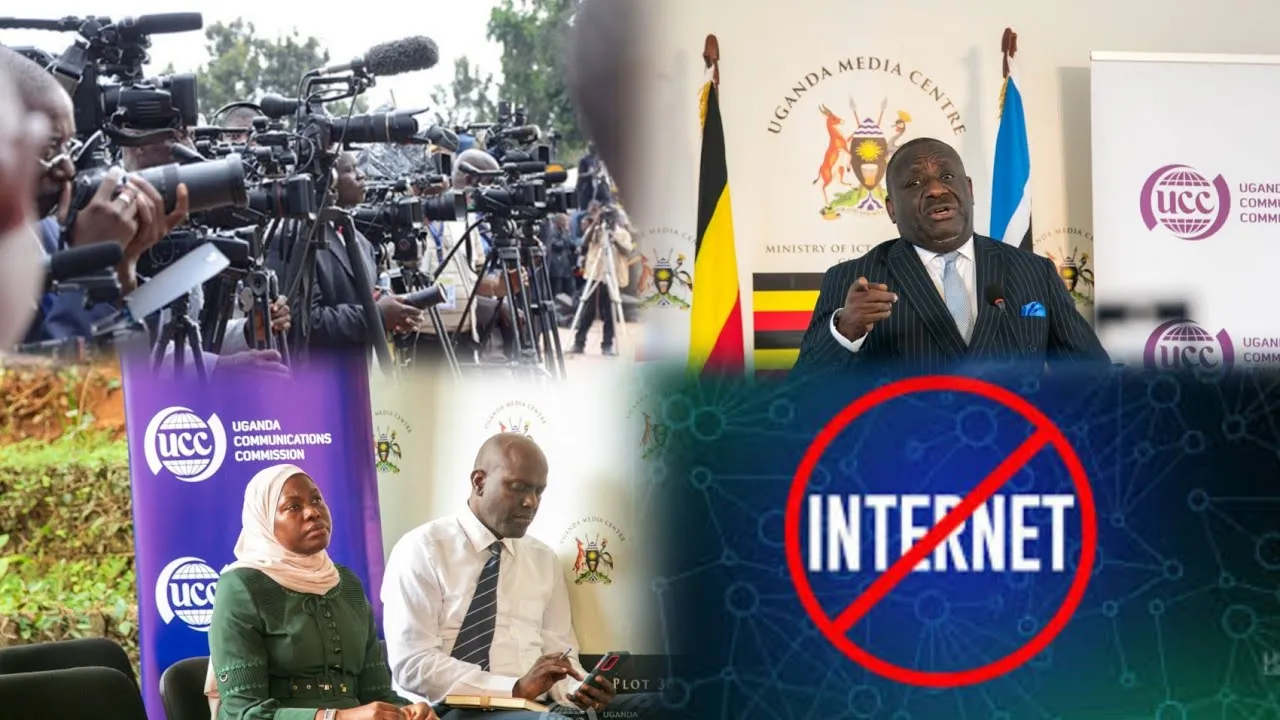
KAMPALA, Uganda — Uganda’s government has ordered a sweeping suspension of public internet access and selected mobile services as the country enters a critical phase of its general elections, citing national security concerns and the need to safeguard the integrity of the vote.
In a directive dated January 13, 2026, and addressed to chief executives of all licensed mobile network operators and internet service providers, the Uganda Communications Commission (UCC) instructed providers to begin the shutdown at 6:00pm Tuesday, with the restrictions to remain in place “until further notice.”
The regulator said the move followed a “strong recommendation” from the Inter-Agency Security Committee, aimed at curbing misinformation, electoral fraud and potential incitement to violence.
“The UCC acknowledges the operational challenges this directive may impose and appreciates your full cooperation in upholding national stability during this sensitive period,” the directive, signed by Executive Director Nyombi Thembo, states.
What services are affected
Under the directive, operators must:
- Suspend all public internet access
- Halt the sale and registration of new SIM cards
- Disable outbound data roaming to countries within the One Network Area framework
The restrictions apply across all access technologies, including: mobile broadband, fibre optic connections, leased lines, fixed wireless access, microwave radio links and satellite internet services.
During the suspension period, all non-essential internet traffic must be blocked, including social media platforms, web browsing, streaming services, personal email and messaging applications.
Strictly controlled exceptions
UCC has permitted a narrow list of essential services to continue operating under tightly controlled conditions, accessible only to authorised personnel through whitelisted systems and secure private connections.
According to the directive, these include:
- National referral hospital systems
- Core banking and financial infrastructure
- Uganda Revenue Authority tax platforms and government payment gateways
- Electoral Commission secure portals and results transmission systems
- Immigration and critical government databases
- Utilities management systems for electricity, water and fuel
- Transportation and aviation control systems
- Regulated SIM upgrade and swap services
- Network operations centres and cybersecurity infrastructure
“Any technical issues, suspected breaches or compliance challenges must be reported to the commission within 30 minutes,” Nyombi said.
Operators have been ordered to establish 24-hour incident response teams, submit full details of whitelisted systems immediately, and maintain detailed traffic logs for inspection.
Also Read: Uganda denies plans to block internet ahead of high-stakes 2026 election
UCC warned that operators may not extend the exemption list or allow any form of public bypass. Mobile VPN services must be disabled, and social media access remains prohibited even within exempted environments.
Failure to fully comply, the regulator said, will attract severe sanctions, including fines and possible suspension of operating licences.
A familiar pattern
Uganda has imposed similar restrictions during past elections, including the 2016 and 2021 polls. The 2021 blackout resulted in a near-total internet shutdown lasting several days, drawing criticism from civil society groups, international observers and digital rights organisations.
Authorities have consistently defended the measures as necessary to maintain public order, while critics argue they suppress free expression, hinder independent election monitoring and restrict citizens’ access to information at pivotal democratic moments.
Across Africa, internet shutdowns have increasingly accompanied elections and political unrest. Countries such as Tanzania, Niger, Zambia, the Republic of Congo and Togo have all experienced partial or full blackouts in recent years, often under similar security justifications.
Digital rights advocates continue to warn that such disruptions risk undermining transparency and public trust in electoral processes.
UCC said internet services will only be restored upon receipt of explicit written notice from the commission and will be done in phases.