


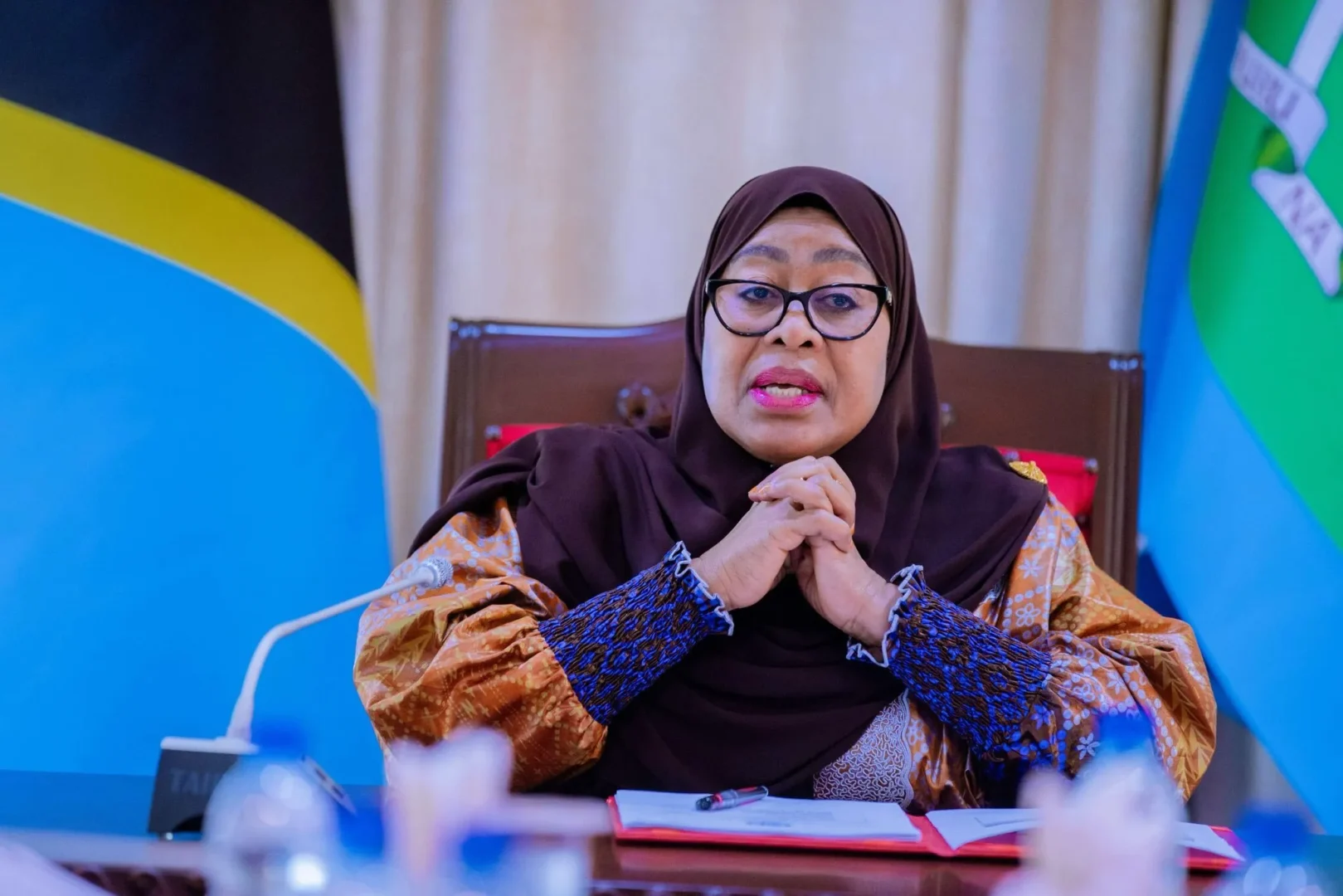
DODOMA, Tanzania — Tanzanian President Samia Suluhu Hassan has publicly apologised to diplomats and foreign residents for last year’s internet shutdown, imposed during the country’s disputed October general election, and pledged that such a measure would not be repeated.
Speaking at a diplomatic sherry at Chamwino State House in Dodoma, President Samia acknowledged the disruption caused by the communications blackout, which coincided with the most serious post-election unrest Tanzania has witnessed in decades.
“To our partners in the diplomatic community and foreigners residing here, I express my sincere sympathy for the uncertainty and disruptions you experienced,” she said, adding that the government would remain “vigilant” to prevent a recurrence.
It marked the first time the President has publicly recognised the impact of the shutdown, which drew sharp criticism from civil society groups, foreign missions, and international observers who argued that the move undermined transparency and access to information during a critical democratic process.
While expressing regret over the disruption, Samia defended the government’s broader post-election response, describing it as “essential” to preserving constitutional order.
She framed democracy as a gradual process rather than a fixed model, arguing that countries must pursue it within their own historical and political contexts.
The President insisted that the will of Tanzanians had been expressed at the ballot box and should be respected, urging critics to either acknowledge Tanzania’s sovereignty or support the government’s reform agenda.
The October election handed Samia more than 97 per cent of the vote, a result reached after the disqualification of several opposition candidates and the detention of the main opposition leader on treason charges.
The outcome was widely contested, with rights groups reporting that hundreds of people were killed in the ensuing violence.
International observer missions later concluded that the poll fell short of democratic standards, citing restrictions on political competition, heavy security deployments, and limitations on media and digital freedoms, including the internet shutdown.
In an apparent effort to ease tensions, President Samia announced clemency measures, saying she had pardoned 1,787 convicts linked to election-related violence. She also confirmed that a commission of inquiry remains active, investigating the unrest and its causes.
Also Read: How Ugandans are staying online despite the internet blackout
Tanzania continues to face sustained scrutiny from regional bodies and international partners, as questions persist over its democratic trajectory, the treatment of opposition figures, and the balance between state security and civil liberties.
The President’s apology and assurances may signal a recalibration in tone, but observers say confidence will ultimately depend on whether promised reforms translate into concrete changes ahead of future elections.
President Samia’s remarks come as internet shutdowns during elections face renewed scrutiny across East Africa, particularly in neighbouring Uganda, where authorities imposed sweeping restrictions on internet access and social media platforms during the ongoing election period.
Ugandan officials have justified the measures on national security grounds, but opposition figures, civil society groups and international observers argue that the blackout has hampered transparency, restricted political mobilisation and limited access to independent information.
The parallel experiences in Tanzania and Uganda have reignited debate over the use of digital shutdowns as a tool of electoral control, with critics warning that such measures risk undermining public trust in democratic processes across the region.
