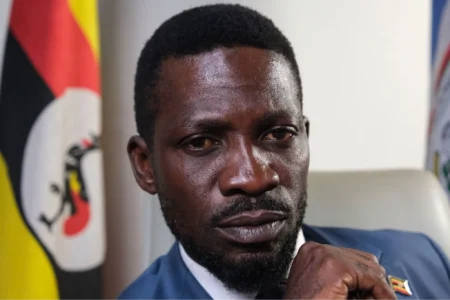



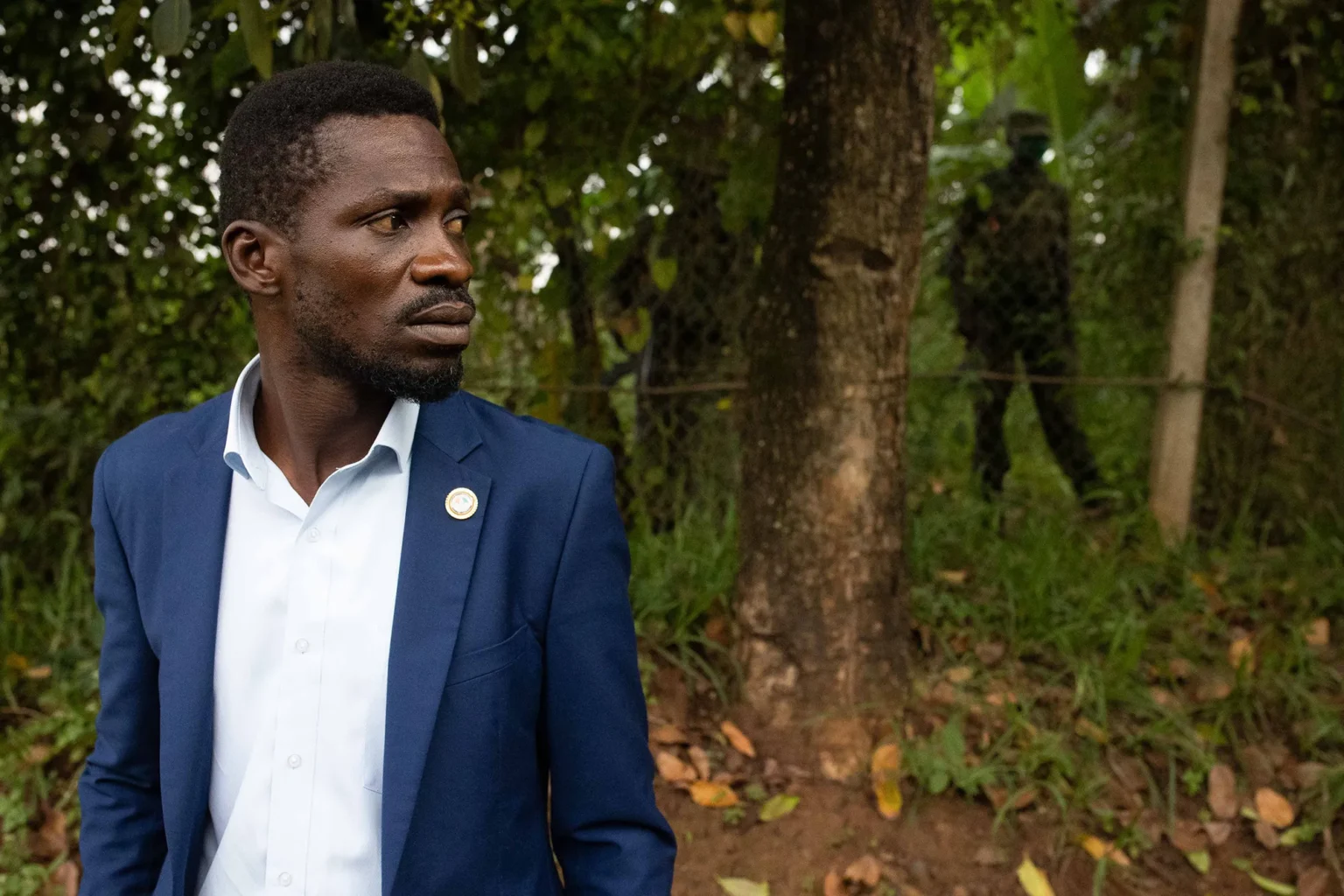
KAMPALA, Uganda — Uganda’s main opposition presidential candidate, Robert Kyagulanyi, popularly known as Bobi Wine, has accused the authorities of widespread electoral malpractice, including what he described as “massive ballot stuffing,” as voters cast their ballots under a nationwide internet shutdown.
In a series of statements posted during polling day, Mr Kyagulanyi alleged the arrest of opposition leaders, intimidation of polling agents, and the use of security forces to suppress oversight of the vote. He said the internet blackout had plunged the country “into darkness” and was being used to shield alleged abuses from public scrutiny.
“Uganda is in the dark with the internet shut down. Several incidents of ballot stuffing have been recorded. The regime’s military and police are directly involved in repressing our agents at polling stations,” he said.
“On top of abductions, the regime forces are targeting our leaders across the country. The world needs to know what is happening in Uganda on election day.”
Mr Kyagulanyi further claimed that the National Unity Platform (NUP) Deputy President for the Western Region had been arrested, while numerous polling agents and supervisors were abducted or forced to flee from polling stations.
“Massive ballot stuffing reported everywhere. Our leaders arrested. Many of our polling agents abducted, and others chased off polling stations. BVVK machines have failed everywhere,” he said, urging Ugandans to reject what he termed a “criminal regime” and calling on the international community not to legitimise the electoral process.
Voting delays and technology failures
Thursday’s vote was disrupted in several parts of the country after biometric voter verification (BVVK) machines malfunctioned, delaying the opening of polling stations for hours.
Uganda’s Electoral Commission (EC) acknowledged the technical setbacks, saying it had temporarily suspended biometric verification in affected areas and authorised the use of manual voter registers to avoid disenfranchising voters.
“The commission hereby directs all returning officers that where a BVR kit fails to start or to function, the voting process should commence immediately using the national voters register in accordance with the electoral laws and guidelines,” the commission said in a statement.
It added that technical teams had been deployed to address the challenges as they emerged.
President Yoweri Museveni, the ruling National Resistance Movement (NRM) candidate and Africa’s longest-serving leader, also acknowledged difficulties with the biometric system after it reportedly failed to recognise his fingerprint at his polling station. He was eventually cleared to vote using facial recognition technology.
“First of all it did not accept my fingerprints because maybe when they took them they had a different angle. But when they put my face, you saw the machine recognized me,” Mr Museveni told journalists after voting.
Competing narratives
Seeking a seventh term in office, Mr Museveni said he expected a decisive victory if the process was free of manipulation.
“If there is no cheating, I expect to win by 80 per cent. That is why we have to stop ballot stuffing,” he said.
Uganda has about 21.7 million registered voters across more than 50,000 polling stations, choosing from six presidential candidates to lead the country for the next five years.
The election pits Mr Museveni, who has ruled since 1986 and presents himself as a guarantor of stability, against Mr Kyagulanyi, a former pop star-turned-politician who has mobilised large numbers of young voters with pledges to tackle corruption, expand freedoms, and reform state institutions.
Also Read: Bobi Wine warns ‘people must rise up’ if 2026 election is rigged
Alongside the presidential race, voters are electing a new Parliament, including constituency lawmakers, district woman representatives, and local government leaders.
The polls were held under a nationwide suspension of internet access, ordered ahead of voting day. The Uganda Communications Commission said the measure was necessary to curb misinformation, electoral fraud, and incitement to violence.
Opposition leaders, rights groups, and civil society organisations, however, argue that the blackout has severely limited transparency, hampered election monitoring, and curtailed citizens’ ability to document and report irregularities.
Official presidential results are expected to be announced within 48 hours of the close of polling.