


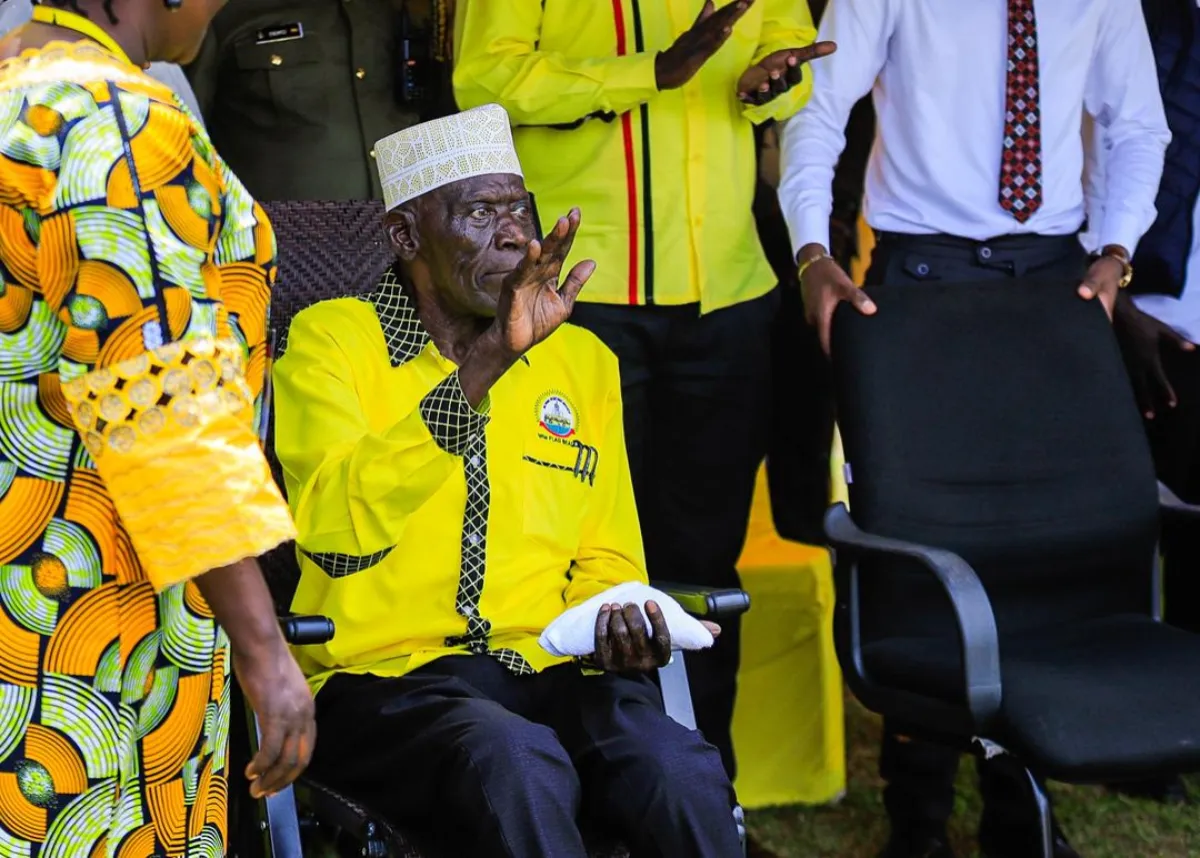
ADJUMANI, Uganda — Uganda’s First Deputy Prime Minister, Gen. Moses Ali, has retained his Adjumani West parliamentary seat after a tightly contested race in the 2026 general elections, reaffirming his political dominance in the West Nile sub-region.
Running on the ruling National Resistance Movement (NRM) ticket, the veteran politician overcame three challengers to secure another term in Parliament.
Official results released by Adjumani District Electoral Commission (EC) registrar Christine Acai show that Gen. Ali polled 12,854 votes, narrowly edging out his closest rival, Patrick Tandrupasi of the Forum for Democratic Change (FDC), who garnered 11,770 votes.
Independent candidate Gasper Draga finished a distant third with 522 votes, while Stephen Lyo of the National Unity Platform (NUP) trailed with 293 votes.
At 86, Gen. Ali remains one of Uganda’s longest-serving political figures, with a career spanning decades in both the military and civilian government.
He has previously held several senior positions, including Second Deputy Prime Minister and Deputy Leader of Government Business in Parliament, cementing his status as a key pillar of President Yoweri Museveni’s administration.
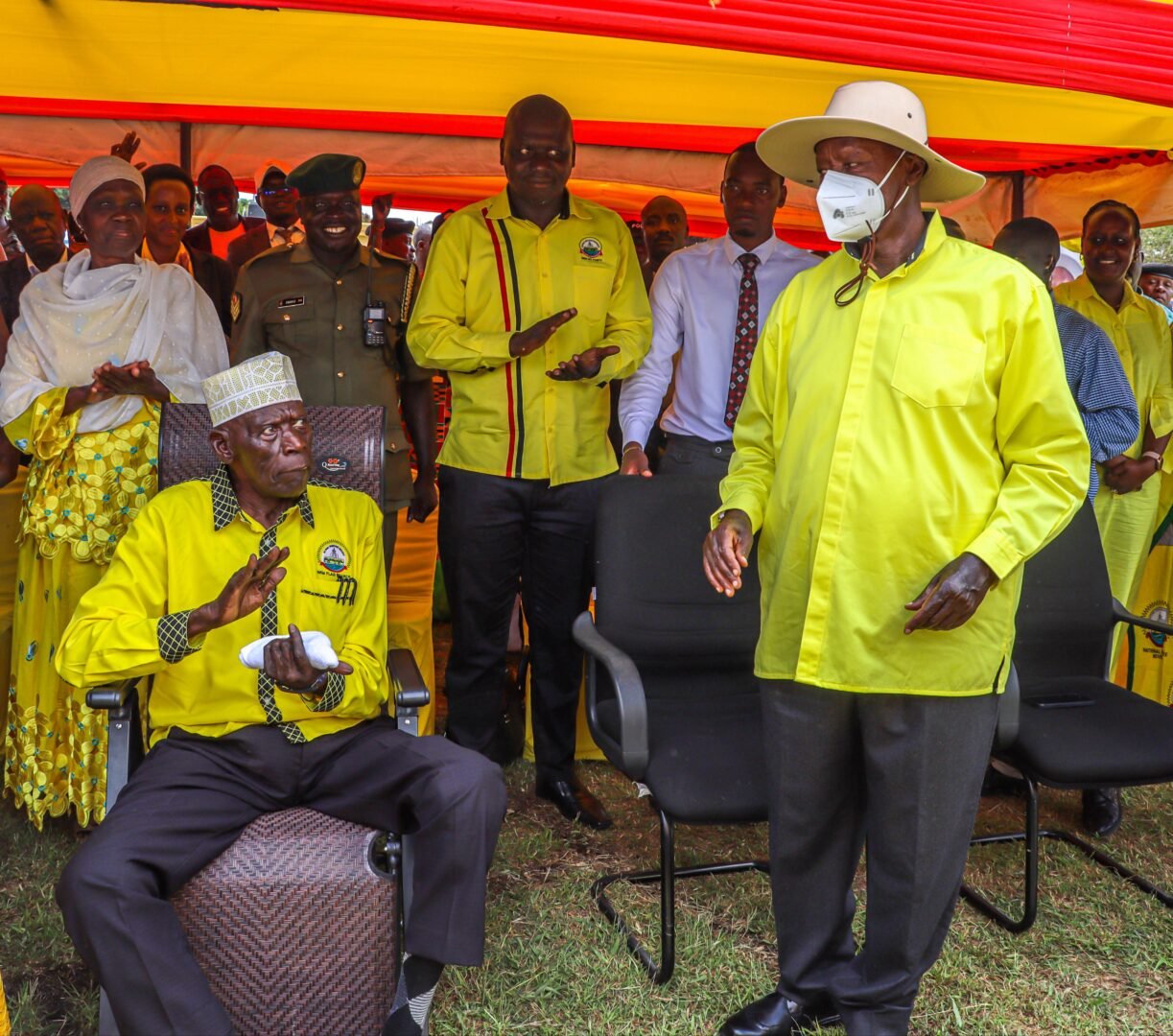
His re-election follows a keenly watched NRM primary, in which he successfully defended the party flag, polling 8,609 votes against challenger Nixon Owole, who secured 4,492 votes. The primary outcome underscored Gen. Ali’s enduring grassroots influence in Adjumani West.
During the campaign, Gen. Ali pledged to prioritise infrastructure development, citing flagship projects such as the long-awaited Laropi Nile bridge, road tarmacking, upgrades to health facilities, and expanded access to clean water and rural electrification as key pillars of his agenda.
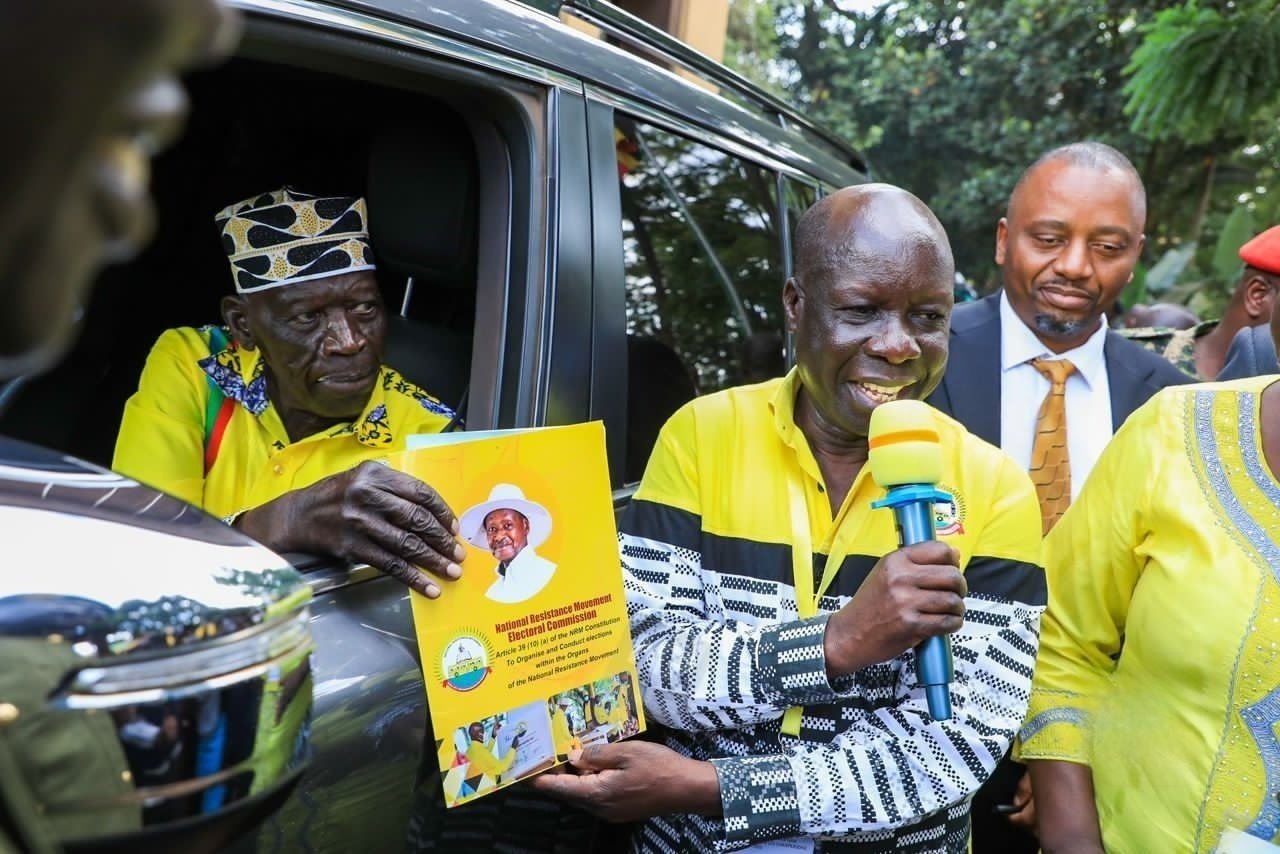
Also Read: Uganda election 2026: At 86, Gen Moses Ali says he’s fit, vows to stay in race
However, his candidacy has not been without controversy. A group of activists, including human rights defender Ssuuna James Kiggala, petitioned the Constitutional Court seeking to block his nomination, raising concerns over his age and health, and questioning his constitutional fitness to serve.
Despite the legal challenge and public debate, Gen. Ali’s supporters argue that his experience, institutional memory, and continued electoral appeal outweigh concerns about his age. They insist his victory reflects sustained confidence among voters in his leadership and long-standing service to the region.
