


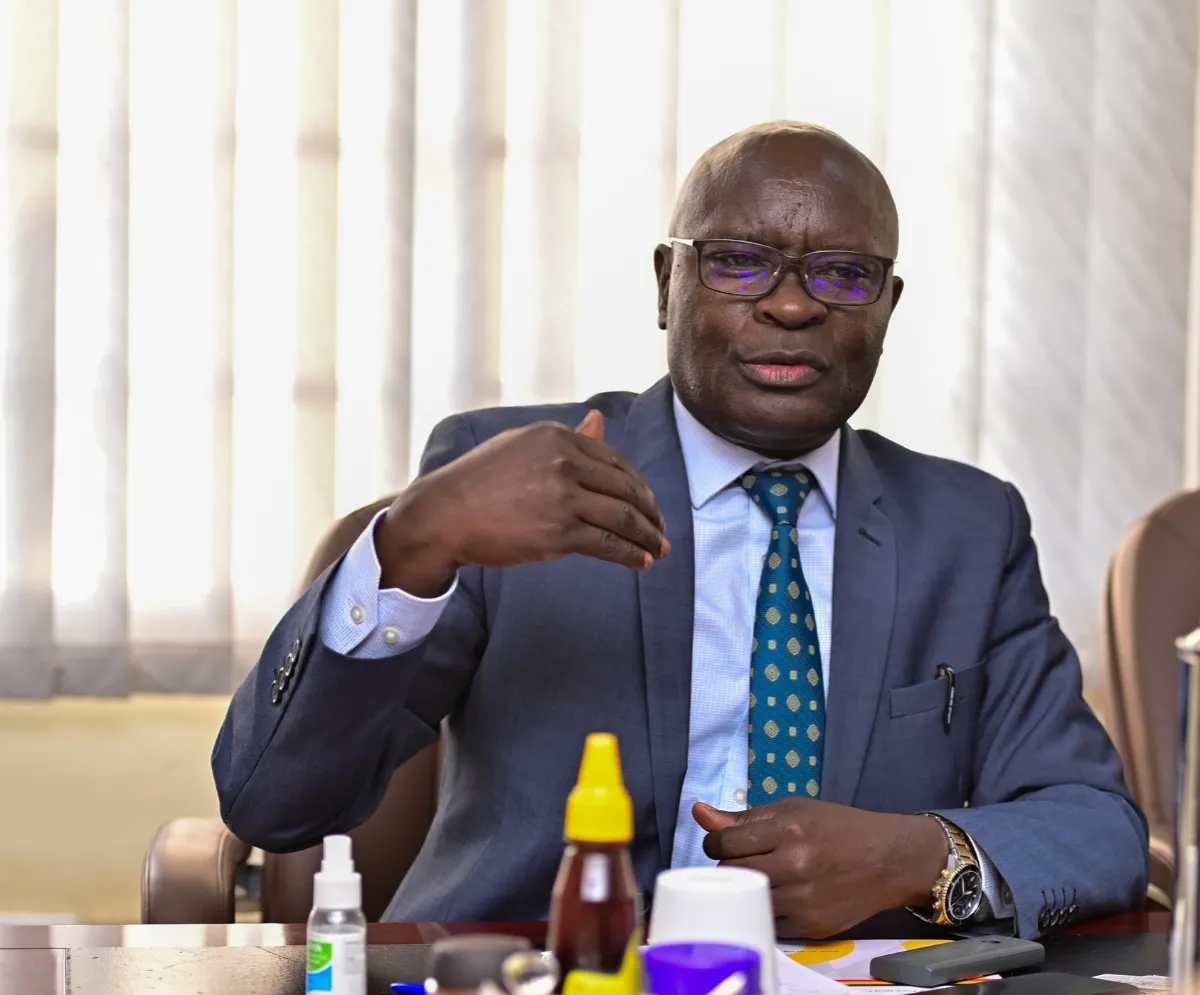
KAMPALA, Uganda — The Electoral Commission (EC) has clarified that results from Uganda’s 2026 General Election will be released only after ballot envelopes are opened at designated district tally centres, rejecting calls for decentralised counting at sub-county levels.
Speaking to journalists in Kampala, EC Chairperson Justice Simon Mugenyi Byabakama said the measure is intended to safeguard the integrity, transparency and credibility of the electoral process, especially as vote counting continues amid logistical challenges and a government-imposed internet blackout.
“The envelopes containing the results from polling stations can only be opened at district tally centres and not at sub-county level,” Justice Byabakama said, warning that any deviation from the established procedures would be treated as a violation of electoral laws and regulations.
The directive comes as Uganda navigates a complex post-poll environment marked by delays in voting due to biometric device malfunctions and widespread technical setbacks at many locations. The EC earlier instructed polling officials to begin voting even where biometric kits failed, using manual registers to prevent disenfranchisement.
Justice Byabakama described the 2026 election as a milestone in Uganda’s democratic journey and expressed appreciation for the cooperation of election officials, security agencies, political parties, observers and voters.
“This election presents another significant milestone in our electoral journey. I wish to extend my appreciation to all stakeholders for their commitment and cooperation,” he said.
He reiterated the EC’s commitment to delivering a free, fair and transparent election outcome and urged all stakeholders to remain calm and patient as the tallying process proceeds. Results are expected to be announced in accordance with legal timelines once verification is complete.
Tallying Under Scrutiny
Under current procedures, ballot envelopes dispatched from polling stations are expected to be transported securely to district tally centres, where they are opened and aggregated under strict supervision.
The method aligns with longstanding practices aimed at centralising result verification at higher administrative levels rather than at smaller sub-county locations, which electoral officials argue helps reduce interference and irregularities.
The emphasis on district-level tallying also ties into restrictions issued recently by the Uganda Communications Commission (UCC), which warned media and online platforms against publishing unofficial results from any source other than the EC, saying that doing so would be illegal.
Context of the 2026 vote
The 2026 general election has been marked by widespread delays and technical issues, including malfunctioning biometric voter verification kits and a nationwide internet shutdown instituted by authorities to curb alleged misinformation.
Critics, including opposition figures and rights groups, have condemned the blackout as undermining transparency and hindering the flow of electoral information.
Also Read: Uganda polls close amid voting delays and nationwide internet blackout
The blackout has also affected communication with tally centres and delayed real-time reporting, although officials have maintained that results will be verified and announced once all procedures are adhered to and verification is complete.
A national tally centre was opened late Thursday evening at the EC headquarters in Lubowa, Wakiso District, where top commissioners are overseeing the final stages of counting ahead of early announcements.
Justice Byabakama reiterated that stakeholders should allow electoral officials to perform their duties without interference and respect the legal framework governing vote counting and result tabulation.
“We urge all supporters and candidates to respect the established procedures and allow electoral officials to carry out their duties without interference,” he said.
