


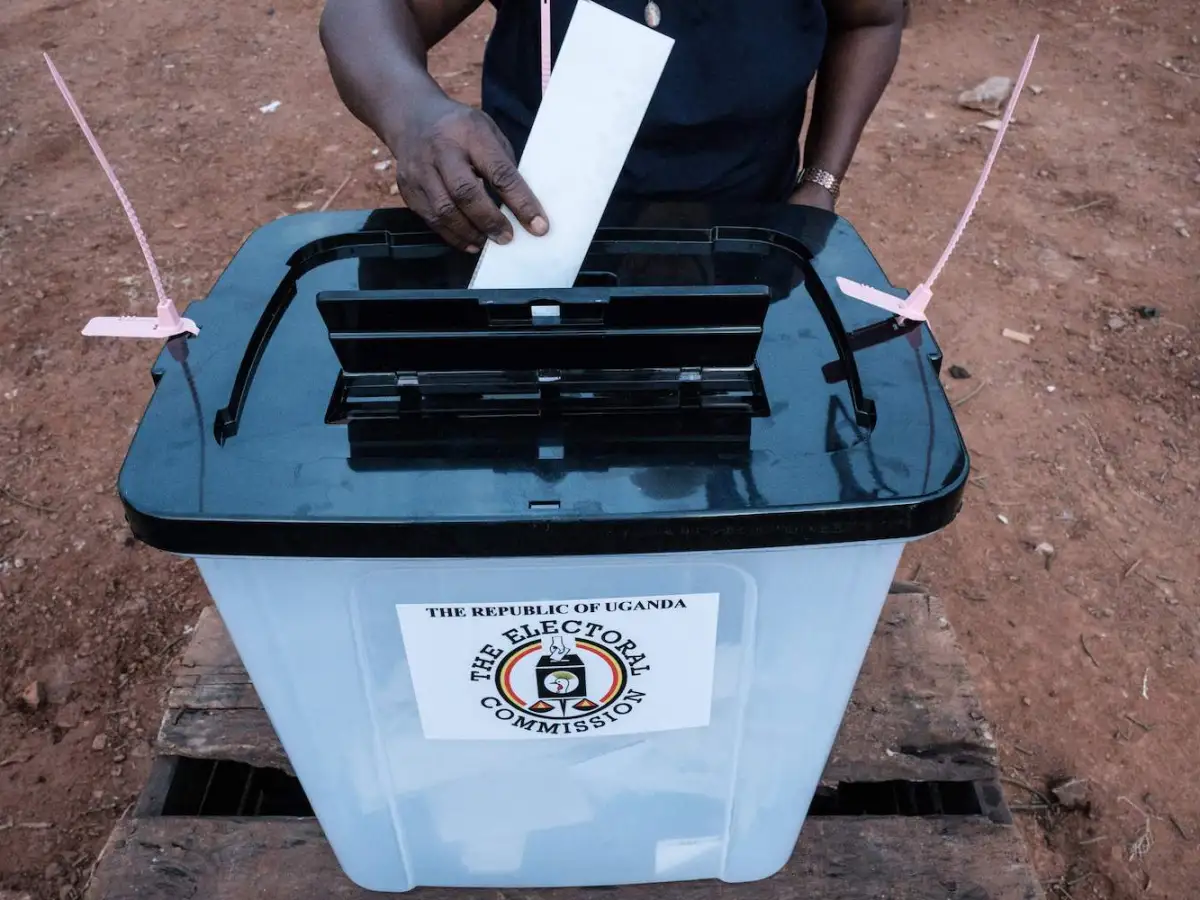
KAMPALA, Uganda — Ugandans are voting in a deeply polarized presidential election that pits long-time ruler President Yoweri Museveni against charismatic pop star-turned-politician Bobi Wine, as the country grapples with heightened security, a nationwide internet blackout and mounting accusations of repression.
The contest has largely shaped up as a two-horse race between Museveni, who has been in power since 1986 and is seeking a seventh term, and Bobi Wine, 43, whose appeal among young voters and promise of generational change have disrupted Ugandan politics.
Despite this, analysts widely expect Museveni’s extensive political machinery and control over the state apparatus to secure his victory.
Wine has campaigned on a platform of tackling corruption and instituting reforms, arguing that Museveni’s long tenure has entrenched authoritarian tendencies.
By contrast, the president has presented himself as the guarantor of stability and economic progress, often warning against abrupt change.
Blackout and information controls
Days before polling, the Uganda Communications Commission (UCC) ordered a nationwide internet shutdown, effective 6 p.m. on January 13, blocking public access to mobile data, social media, web browsing and related communications.
Authorities defended the measure as necessary to prevent misinformation, fraud and violence, a justification condemned by the United Nations Human Rights Office as “deeply worrying” and potentially undermining transparency.
The blackout was part of a broader pattern of pre-election restrictions, including the recent suspension of multiple civil society and human rights organisations that have traditionally monitored electoral conduct.
Campaign climate and security presence
Security has been noticeably heightened, particularly in Kampala and major towns, with army deployments and armoured vehicles visible throughout the capital, a move the military says is intended to deter violence but which critics view as a tool of intimidation.
Opposition rallies have frequently been disrupted by security forces, and Bobi Wine has at times worn body armour and helmets at public events, reflecting the tension.
Security forces have been accused by rights groups of teargassing, live fire use and arrests of Wine supporters; Amnesty International has described this pattern as a “brutal campaign of repression.”
Museveni’s critics also argue that the political playing field is skewed in favour of the incumbent. Constitutional changes removing age and term limits have allowed him to remain in power for decades without democratic turnover.
Opposition response and warnings
Bobi Wine’s National Unity Platform (NUP) rejects government narratives around security and misinformation, accusing the state of using the blackout and other controls to restrict opposition communication and suppress evidence of election fraud.
Wine’s campaign has urged supporters to mobilise and “protect the vote,” at times calling on citizens to stay near polling stations to deter irregularities.
Election mechanics and broader contest
Alongside the presidential contest, Ugandans are electing a new parliament with 353 seats, and a host of local representatives.
Six other presidential candidates are also on the ballot, including James Nathan Nandala Mafabi (FDC) and Mugisha Gregory Muntu Oyera (ANT), although none have posed as significant a challenge as Wine.
Voters queued at polling stations on Thursday and will be allowed to cast ballots even if they are in line at 16:00 local time (13:00 GMT) when the polls officially close.
Electoral officials have said results will be announced by the same time on Saturday, January 17, roughly 48 hours after voting ends.
Economic and demographic pressures
For many Ugandans, particularly the young, who make up roughly 70 percent of the population, concerns about unemployment, economic stagnation, infrastructure deficits and unequal access to education and healthcare have been central issues.
Also Read: The pop star taking on one of the world’s most entrenched presidents
Economic narratives underline both the appeal of Bobi Wine’s reform platform and Museveni’s assertions of steady growth under his leadership.
Concerns over credibility and violence
Election observers and rights advocates have voiced concerns over whether the electoral environment is conducive to a free and fair contest.
The Kenya Human Rights Commission warned that the internet blackout could further inflame tensions, while international bodies have criticised the erosion of civic space and limitations on independent scrutiny of the vote.
Uganda’s last presidential election in 2021 was marred by violence, with dozens killed during post-election protests, and critics warn that similar friction could emerge again if contentious results are announced.
