


KIRUHURA, Uganda — Voting in Uganda’s 2026 general election got under way on Thursday 15, January 2025 amid widespread polling delays, a nationwide internet blackout and mounting political tension, as more than 21.6 million registered voters attempted to cast ballots in one of the most consequential contests in Uganda’s modern history.
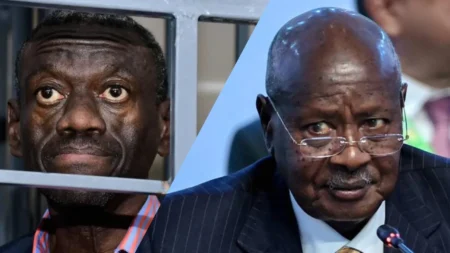
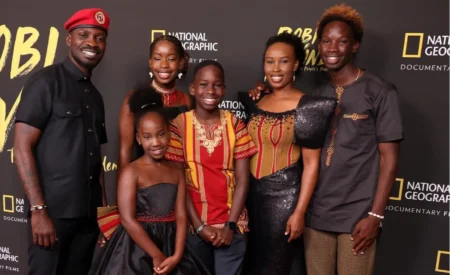
The elections, covering presidential, parliamentary and local government posts, feature President Yoweri Museveni, 81, seeking a seventh term against other seven challengers led by opposition leader Robert Kyagulanyi Ssentamu, known as Bobi Wine.
Delayed starts and technical problems
Polling stations were scheduled to open at 7 a.m. local time, but biometric voter verification machines malfunctioned in many areas, delaying voting for hours.
In Kampala, Jinja and Kabale, voters reported long queues and malfunctioning equipment early in the day.
Officials in several centres resorted to manual voter verification where technology failed.
“Some biometric machines are not working. I don’t know if it’s the internet,” a ruling party official told Vivid Voice News reporter, underscoring the link between voting system glitches and the ongoing network disruptions.
Voters in both government strongholds and opposition-leaning districts voiced frustration.
A businesswoman in Jinja said she had been waiting at her polling station well after voting was scheduled to begin. “Nobody is here to tell us what is happening,” she told Vivid Voice News.
Internet Blackout and Restricted Communication
Ugandans went to the polls under a full internet shutdown that took effect at 6 p.m. on Tuesday, when the Uganda Communications Commission (UCC) ordered mobile network operators and internet service providers to suspend public access, halt SIM card sales and block data roaming.
The regulator said the blackout was intended to curb “misinformation, disinformation, electoral fraud and related risks.”
Rights groups including Human Rights Watch have condemned the internet shutdown, arguing it violates constitutional rights and undermines election transparency by blocking access to information and independent reporting.
Heavy security and political tension
Security forces have been deployed across Kampala and other major towns, heightening an already tense environment.
Observers say the visible military and police presence is contributing to voter anxiety, particularly in urban areas where opposition support is stronger.
The 2026 election follows weeks of political repression that saw arrests of opposition supporters and media restrictions, raising concerns about civic freedoms and the fairness of the process.
Leadership statements and local responses
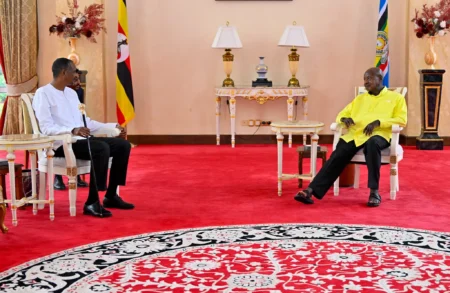
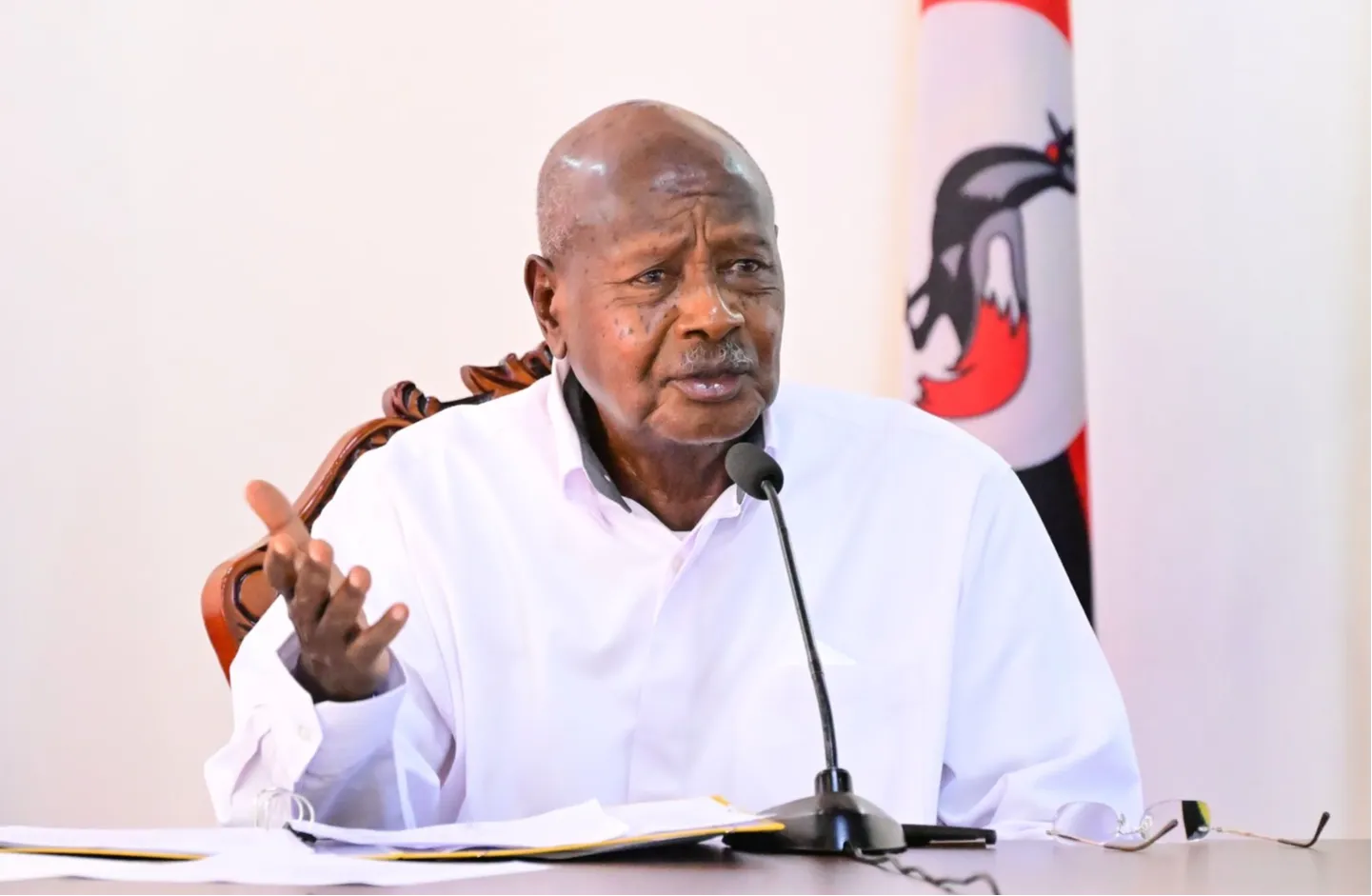
President Museveni and First Lady Janet Museveni both cast their ballots in Kiruhura District, prompting crowds and signalling high-level engagement with the process.
After voting, Museveni criticised past elections and defended the use of biometric voting technology:
“In the last election, the opposition infiltrated about 2.7 million votes. Around 1 million printed on Nkrumah Road and another 1.7 million from Dubai. It is on this basis that the decision was made to adopt biometric voting.”
The president also called on electoral authorities to explain technical glitches that have affected voting machines, stressing the need for a credible count.
Opposition concerns and calls for transparency
Opposition figures and civil society groups have accused election officials of deliberately slowing voting in areas where support for Bobi Wine is strong.
Some have said the blackout and administrative confusion are part of a broader scheme to suppress turnout.
The National Unity Platform (NUP) has also framed the disruptions as evidence of systemic irregularities and called on voters to remain vigilant.
International criticism and observers
International bodies, including the Commonwealth and United Nations Human Rights Office, have expressed concern about restrictions on freedoms of expression, assembly and communication in the lead-up to voting.
Also Read: Uganda at crossroads: Oil dreams, youth pressure and Museveni’s 40-year grip on power
The Commonwealth Secretary-General highlighted reports of arbitrary arrests, abductions and use of force against opposition supporters in the run-up to polling day.
Such international critiques underscore alarm about the shrinking civic space in Uganda ahead of and during the election.
Looking ahead
Polling was scheduled to close at 4 p.m. local time (13:00 GMT), with the Uganda Electoral Commission indicating that ballots will be counted and results announced within 48 hours.
However, widespread delays and communication disruptions may complicate the tally and reporting process.
Analysts say the outcome will be closely watched for signs of political resilience or further consolidation of Museveni’s long-standing rule, amid concerns over democratic norms, transparency and political stability in East Africa.