


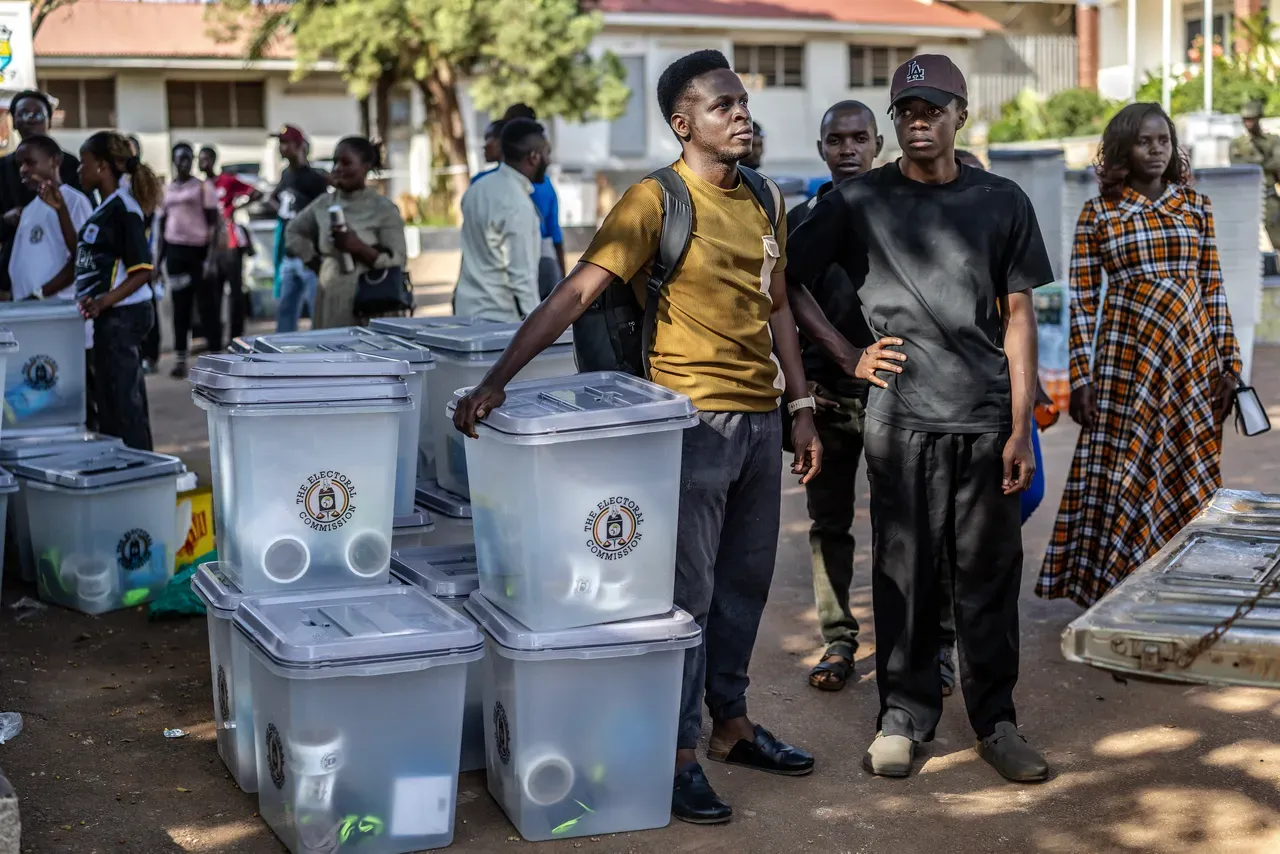
KAMPALA, Uganda — Uganda’s 2026 election day was marked by widespread polling delays, a sweeping internet blackout and rising political tensions, undermining efforts to present the contest as credible and smooth.
Voting got underway on Thursday 15, January 2026 despite logistical problems that saw several polling stations open late or malfunctioning biometric equipment, frustrating long queues of registered voters and raising concerns about transparency and organised administration.
Authorities imposed a nationwide internet shutdown on Tuesday evening, less than 48 hours before voting, with the Uganda Communications Commission (UCC) instructing all mobile network operators and internet service providers to suspend public access.
The regulator said the move was intended to curb “misinformation, disinformation, electoral fraud and related risks” ahead of the vote.
Critics, including opposition figures and international rights groups, argue it will hinder independent monitoring and real-time reporting of results as well as citizens’ ability to communicate.
Polling problems emerge early
Across Kampala and several regions, voters reported arriving at stations only to find delays lasting hours before voting began. Many registered voters expressed frustration, saying they had waited since early morning without timely access to ballot boxes.
“We can’t be standing here waiting to vote as if we have nothing else to do,” said one polling agent in the capital.
Long queues formed amid uncertainty about when or whether voting would commence, raising fears of low turnout in urban centres where opposition support is strongest.
Observers in the eastern city of Jinja reported malfunctioning biometric voter kits, crucial for identity verification, and confusion among polling officials over whether the problems stemmed from the internet shutdown or technical faults.
Election in a cloud of blackout and muscle
The internet suspension has disrupted banking, communication and digital coordination on election day.
Rights watchdogs including Human Rights Watch have condemned the blackout as a violation of fundamental rights to communicate and access information during a crucial democratic process.
They argue that such shutdowns undermine transparency and accountability at a moment when citizens need reliable information most.
The vote pits President Yoweri Museveni, 81, who has ruled since 1986 and is seeking a seventh term, against a field of challengers led by opposition figure Robert Kyagulanyi, popularly known as Bobi Wine.
Also Read: Starlink and Uganda’s 2026 election battle: Who controls the internet controls the vote
Analysts have described the incumbent’s control of state institutions and security forces as giving him a significant advantage, even as younger voters and urban populations voice frustration with stagnating economic opportunities and political entrenchment.
Security deployments have been heavy across the capital and border towns, with police and army vehicles visible at checkpoints, ostensibly to deter violence.
The environment still carries echoes of previous tense elections, when opposition protests were met with force and resulted in casualties and arrests.
Opposition claims and broader concerns
Opposition leaders and their legal teams have alleged that polling delays are deliberate ploys to suppress turnout in opposition strongholds and slow the momentum of their supporters at the start of voting.
While these claims are difficult to independently verify amidst the blackout, they contribute to a sense of mistrust among critics of the electoral process.
The United Nations Human Rights Office has emphasised that “open access to communication & information is key to free & genuine elections,” warning that restrictions on connectivity and civic space risk undermining these standards.
Civil society groups have also been under strain in the run-up to the vote.
At least 10 non-governmental organisations, including key human rights and media watchdogs, were suspended days before election day by the National Bureau for Non-Governmental Organizations (NGOs), raising alarms about oversight capacity and transparency.
Some of those affected are Chapter Four Uganda, the Alliance for Election Finance Monitoring (ACFIM), the Human Rights Network for Journalists-Uganda (HRNJ-U), the National NGO Forum, and the National Coalition of Human Rights Defenders — institutions that play central roles in election monitoring, governance oversight and human rights documentation.
In formal letters delivered to the organisations, the Bureau said intelligence reports indicate breaches of the NGO Act and engagement in activities “contrary to national interests.”
All programmes, offices and field operations were ordered suspended with immediate effect while investigations continue.
A nation watching and waiting
As polls continue and results are expected to be released within 48 hours of voting closing, registered voters across Uganda find themselves navigating a complex and constrained democratic exercise, one that promises to shape the nation’s political contours for years to come.
