


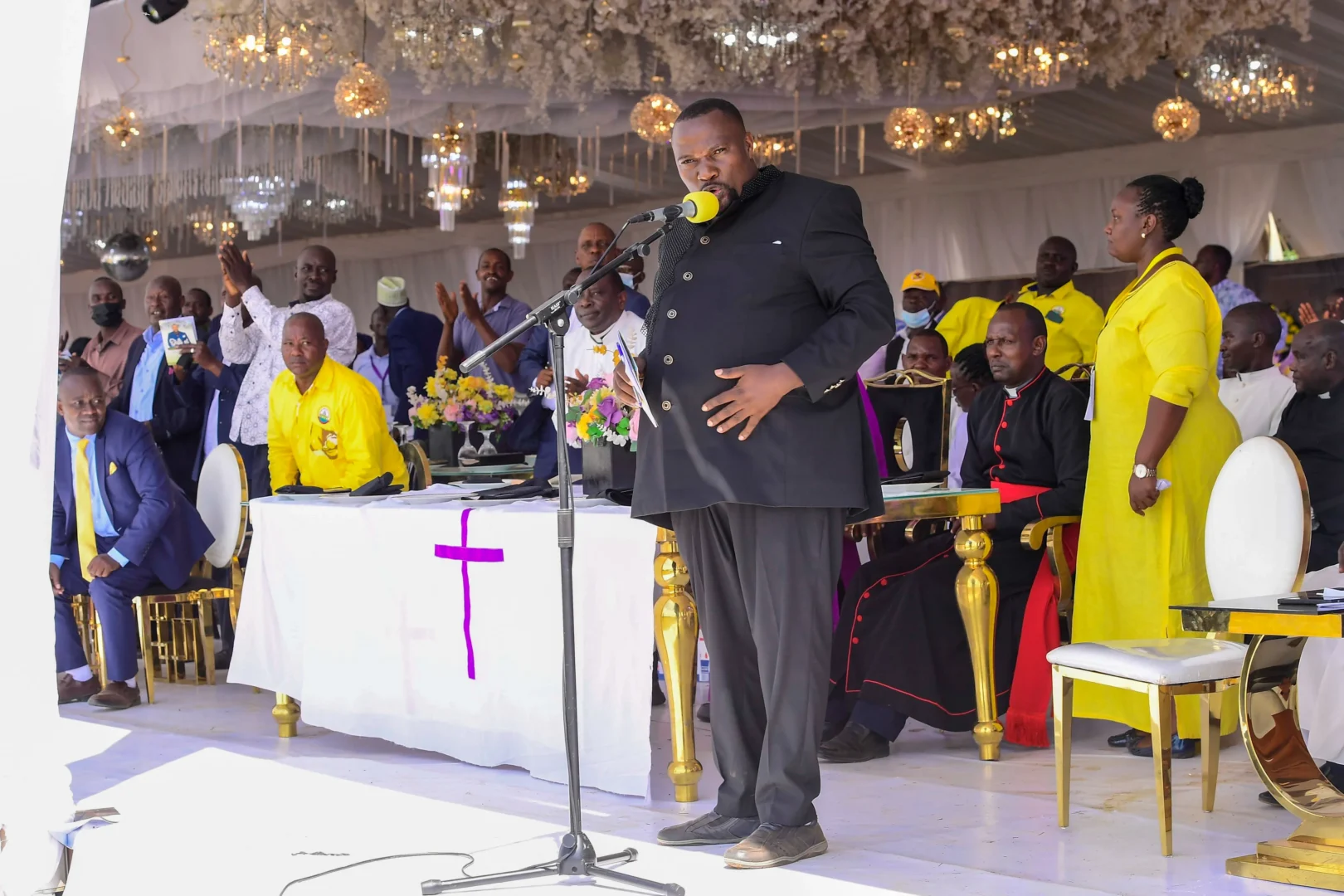
KAMPALA, Uganda — A senior presidential advisor to President Yoweri Museveni has fuelled debate over political succession in Uganda by dismissing the possibility of the veteran leader relinquishing power through elections and publicly naming his son as his likely successor.
In a comment that reflects broader anxieties about Uganda’s democratic trajectory, Yiga Wamala, (also known as Yiga Kisakyamukama), Senior Presidential Advisor, said:
“Never think that President Museveni will leave power by voting. Don’t waste our time, no, no, no! He’s going to be the President. After Museveni, Muhoozi Kainerugaba (Museveni’s son) is coming…”
The statement deepens concerns among political opponents, rights groups and international observers that the East African nation is heading toward a de facto dynastic succession and erosion of democratic norms, even as Ugandans prepare to vote.
Museveni, 81, is seeking a seventh term in Thursday’s election, having first taken power in 1986.
Succession under scrutiny
Mr. Wamala’s remarks amplify longstanding speculation that Museveni’s son, General Muhoozi Kainerugaba, could become Uganda’s next leader, despite remaining off official ballot papers this year.
Analysts say the 81-year-old Museveni has increasingly positioned his son at the centre of military and political power over recent years, a dynamic that critics say undermines democratic process and fuels fears of entrenched family rule.
Gen. Muhoozi’s rapid rise in the Uganda People’s Defence Forces (UPDF), including a move to the role of Chief of Defence Forces (CDF), and his previous roles as Senior Presidential Advisor in charge of special operations, have repeatedly triggered debate about succession.
Observers say his ascent coincides with Museveni’s extended presidency and contributes to perceptions that leadership transition is being shaped behind closed doors rather than through competitive elections.
The government has publicly denied that a formal “Muhoozi Project” exists, and Museveni himself has stated that succession decisions will ultimately lie with the Ugandan people.
In a recent interview, Museveni said: “Why should I groom my son? The people of Uganda are there. They will select whom they want.”
Nevertheless, Wamala’s comments reflect a strong narrative within the ruling National Resistance Movement (NRM) that continuity is essential for national stability, a message that resonates with some older and rural demographics but continues to frustrate opposition voices and democratic activists.
Election context
The succession debate is unfolding against a backdrop of intense political tension. Ugandans are voting amid a pre-election internet blackout, heightened security deployments and reports by rights groups of violence and repression targeting opposition supporters and journalists.
Observers view these developments as part of a larger struggle over the credibility and fairness of the electoral process.
Also Read: Uganda at crossroads: Oil dreams, youth pressure and Museveni’s 40-year grip on power
Opposition leaders, including former pop star-turned-politician Bobi Wine, have criticised the environment as deeply constrained and have called on voters to monitor proceedings closely to deter irregularities.
Regional and international reactions
International rights organisations and foreign governments have expressed concern about the future of democratic institutions in Uganda.
The United Nations, Human Rights Watch and the Kenya Human Rights Commission have publicly criticised the shutdown of digital communications and the ongoing suppression of civil liberties.
While Museveni’s government highlights its record on economic growth, regional security cooperation and infrastructure, the debate over succession continues to overshadow policy discussions and inform both domestic and international perceptions of Uganda’s political future.
