


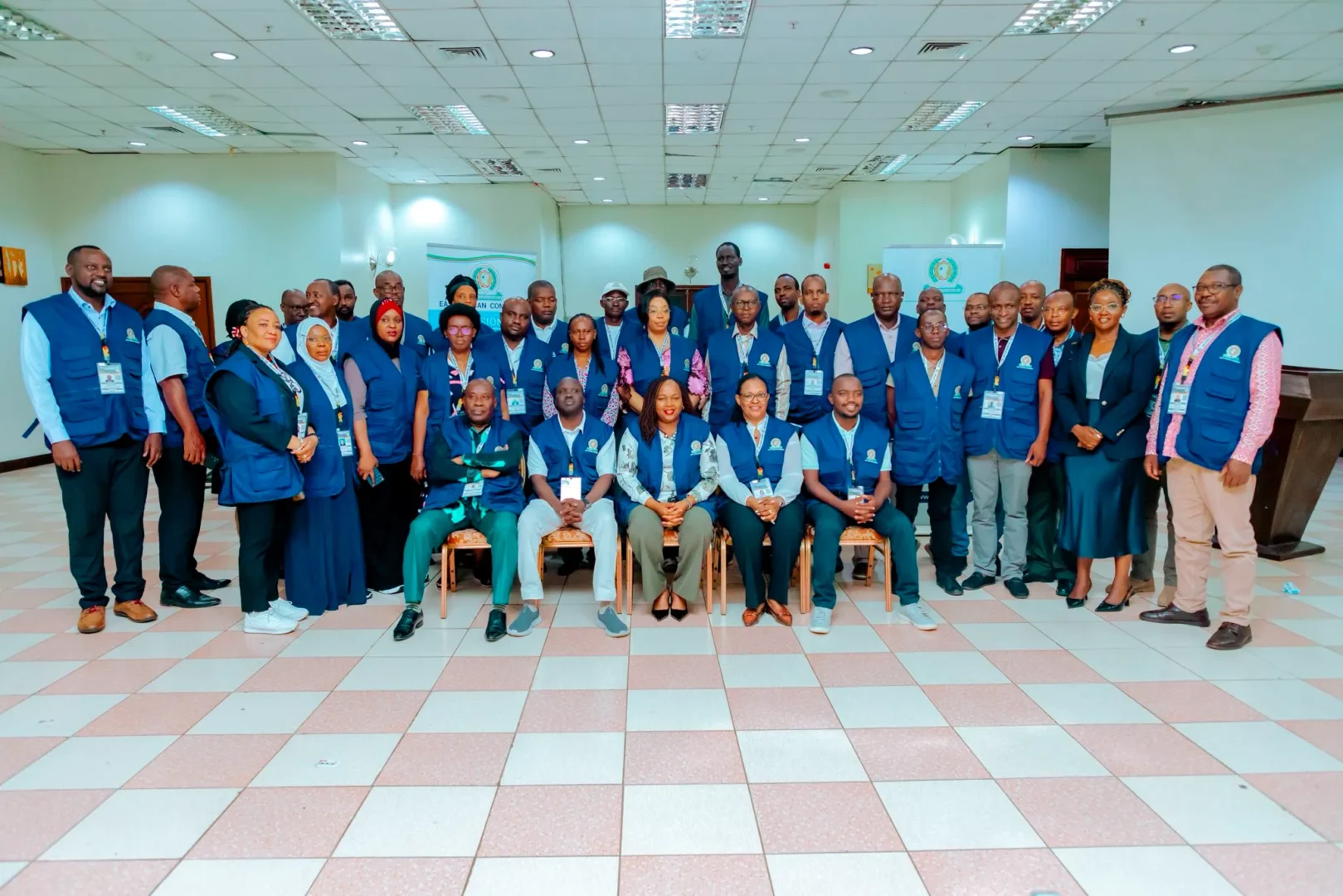
KAMPALA, Uganda — The East African Community (EAC) has deployed a 61‑member Election Observation Mission (EOM) to monitor Uganda’s general election scheduled for 15 January 2026, officials said.
The deployment follows an invitation from the Government of Uganda and aligns with a Council of Ministers directive obliging the bloc to observe elections in partner states, reflecting the EAC’s commitment to democratic principles, the rule of law and respect for human rights under the EAC Treaty.
At a flag‑off ceremony in Kampala on Tuesday, Rt. Hon. Ambassador Edda Mukabagwiza, head of the mission, said the observer team is mandated to assess the electoral process in an “independent, impartial and objective manner.”
“We are here to observe and assess the electoral process…We are not here to interfere in the electoral process, to arbitrate political outcomes, or to pronounce on results,” she told delegates and media, stressing the strictly observational role of the mission.
The observers, drawn from six EAC partner states; Kenya, Tanzania, Rwanda, the Democratic Republic of Congo (DRC), South Sudan and Somalia, and the EAC Secretariat; include members of the East African Legislative Assembly, officials from electoral management bodies, ministries of foreign affairs, national human rights institutions and civil society representatives.
Over the coming days, the mission will observe the pre‑election environment, the final stages of campaigning, polling day activities, counting, tabulation, result transmission and announcement.
Following the polls, it will issue a preliminary statement, followed by a comprehensive final report with recommendations on strengthening future electoral processes.
EAC Secretary‑General Veronica Nduva reiterated the bloc’s emphasis on inclusive and peaceful elections, underscoring that “elections must be conducted in an environment free from violence, intimidation and discrimination.”
The mission arrives amid heightened scrutiny of Uganda’s electoral environment. Observers and rights groups have raised concerns over a government‑imposed nationwide internet shutdown intended to curb misinformation and electoral fraud, a move critics say could suppress information flow and complicate monitoring efforts.
Opposition leader Robert Kyagulanyi, popularly known as Bobi Wine, condemned the blackout as undermining democratic freedoms. Civil society and digital rights advocates have also warned that the restrictions limit transparency and civic space during a critical phase of the elections.
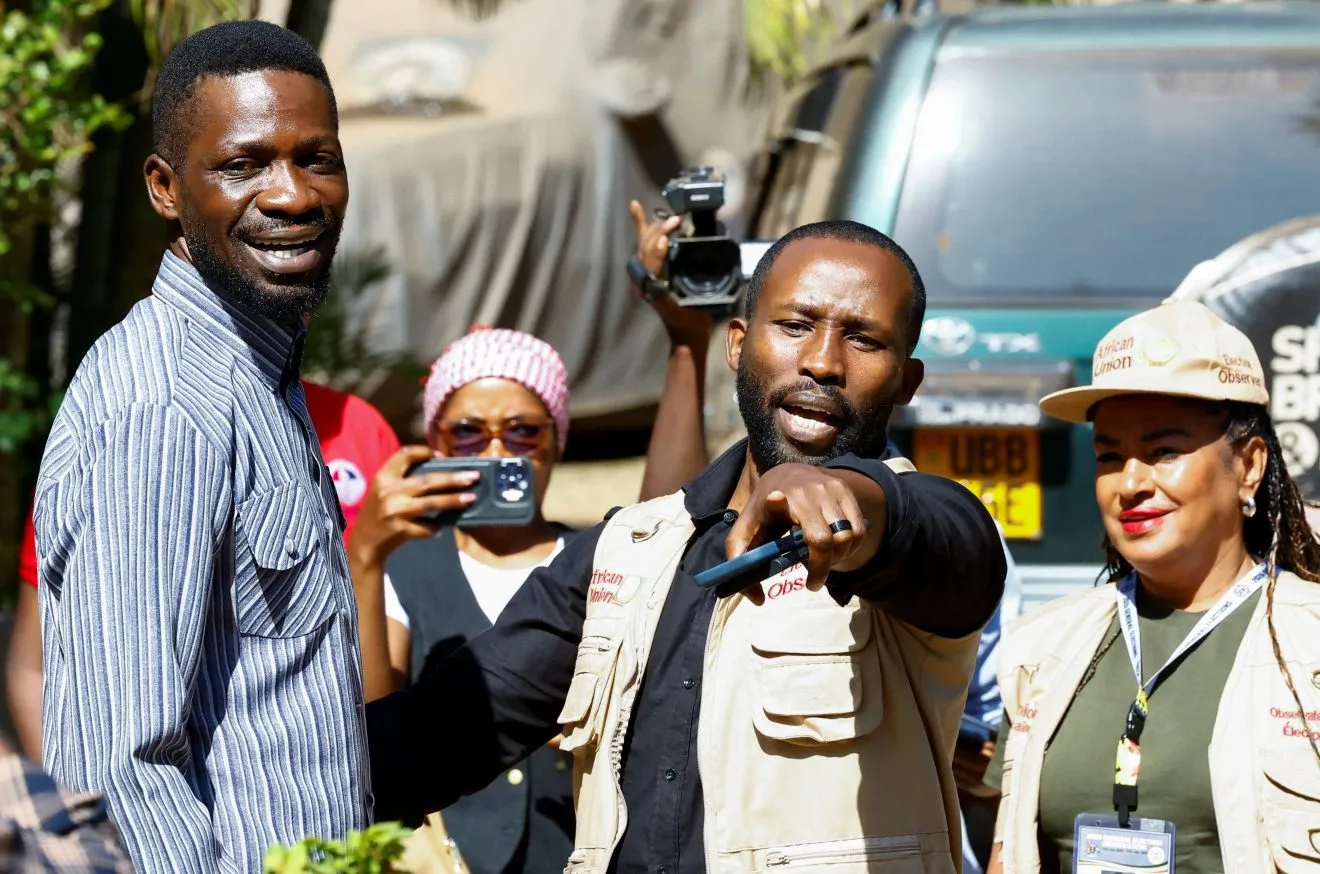
On election day itself, reports indicate delays at some polling stations, technical problems with voter verification equipment and a heavy security presence in urban centres including Kampala.
Also Read: Biometric chaos hits Uganda’s election as Museveni demands probe into voting failures
The contested vote, in which incumbent President Yoweri Museveni seeks a seventh term against a field led by Wine, has been described by some international news agencies as a test of Uganda’s democratic resilience.
In the broader context, the African Union, COMESA and IGAD have also deployed a joint observer mission led by former Nigerian President Goodluck Jonathan, with observers from across the continent. This parallel mission will monitor key voting day activities across Uganda’s regions.
As the EAC and other regional teams carry out assessments, analysts say the conduct of the election and the subsequent handling of results will have implications not only for Uganda’s internal politics but also for democratic norms in the East African region.
