


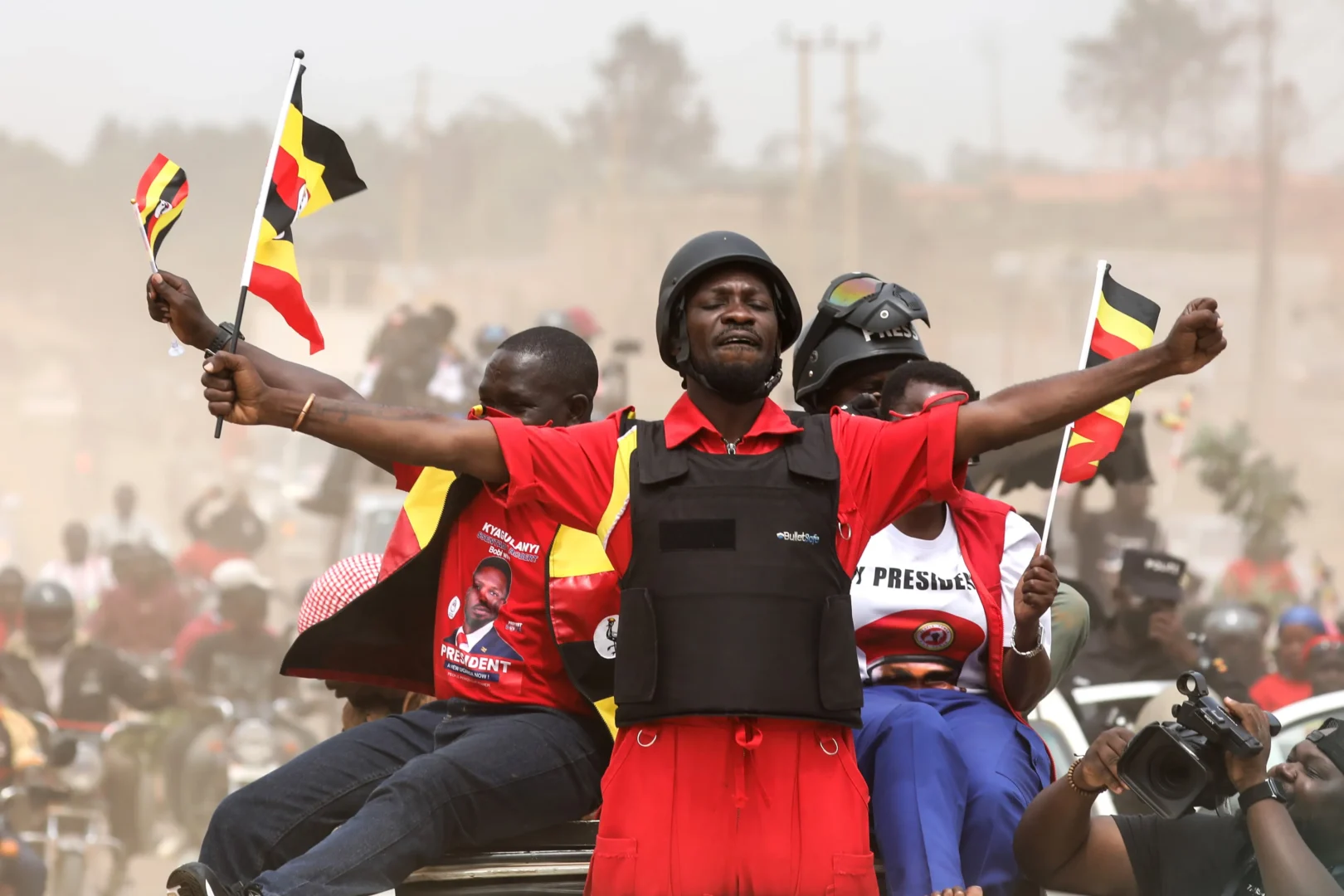
KAMPALA, Uganda — Opposition presidential candidate Robert Kyagulanyi Ssentamu, popularly known as Bobi Wine, has urged Ugandans not to be deterred by intimidation tactics and security pressure as the country heads into the January 15, 2026 general election.
Speaking at a rally at Agha Khan Grounds in Old Kampala on Tuesday, Kyagulanyi appealed for a high voter turnout and resilience, saying that fear was being deliberately cultivated by state actors and allied forces seeking to weaken opposition support.
“We have seen many of our people abducted by security forces, whisked away to unknown places, and tortured. They are told to denounce our struggle, but many have refused, and that is why they are in prison,” he said.
“These are psychological and mental tactics meant to instil fear. I urge you to overcome fear and stick to the truth. Do not be intimidated by the threats of Gen Museveni. We don’t break the law, and we have nothing to fear.”
Kyagulanyi asserted that more than 460 supporters of his National Unity Platform (NUP) had been arrested during the campaign period, and that over 10 deaths were linked to election-related violence — claims that reflect growing concern from human rights organisations about escalating repression ahead of the vote.
The NUP leader also accused the Electoral Commission (EC) of bias, alleging it had colluded with the ruling National Resistance Movement (NRM) to disqualify opposition candidates and clear the field for NRM contenders.
“They want to portray themselves as overwhelmingly popular, yet they are not. The EC has clearly shown that it has taken sides, but the people are watching,” Kyagulanyi said.
The EC has rejected such accusations, with spokesperson Julius Mucunguzi insisting electoral decisions are made strictly in accordance with the law.
Intimidation, arrests and rights crackdown
Kyagulanyi’s statements come amid a broader pattern of pre-election repression documented by multiple international outlets. In the days before polling, Uganda’s government ordered two prominent human rights organisations; Chapter Four Uganda and the Human Rights Network for Journalists-Uganda — to halt operations, citing national security concerns.
Rights groups characterise the move as part of an intensified crackdown that has included arbitrary detentions, the use of live ammunition against peaceful protesters, and abductions of opposition supporters.
Security forces have been more visible in Kampala and other urban areas in recent days, with military deployments prompting fears of a securitised election environment.
Opposition supporters and observers also anticipate disruptions to communication channels. Ahead of the vote, regulators ordered a nationwide internet blackout, citing misinformation and misinformation risks, a step critics argue will further constrain independent reporting and civic communications.
Opposition’s broader strategy and public preparations
Kyagulanyi’s call to overcome fear is consistent with recent statements urging citizens to prepare for high turnout and protect their votes.
Opposition figures have encouraged voters to consider alternative communication platforms and contingency plans in the event of disruption, including decentralised messaging tools that can operate without traditional internet connectivity.
International media and analysts note that Uganda’s election campaign, particularly for Bobi Wine, who has emerged as the most prominent challenger to President Yoweri Museveni’s nearly four-decades-long rule, has been marred by violence and constraints on political space.
Also Read: ‘NRM has not failed Uganda,’ Museveni fires back as election pressure mounts
Wine’s supporters have faced tear gas, water cannon and direct confrontation by security forces during rallies, reflecting heightened tensions in the lead-up to the vote.
Opposition voices also warn that if the election is rigged, they may pursue mass protests, although Kyagulanyi has framed the movement primarily around civic participation and non-violent resistance.
What this means for voters
Ugandans preparing to vote on January 15 are doing so in a high-pressure, constrained political environment, with civil liberties advocates warning that intimidation and state dominance of institutions could undermine volunteer turnout and confidence in the electoral process.
As Kyagulanyi’s appeal highlights, opposition leaders believe increased participation, even amid challenges, is crucial to asserting popular will and countering narratives of apathy or fear.
