


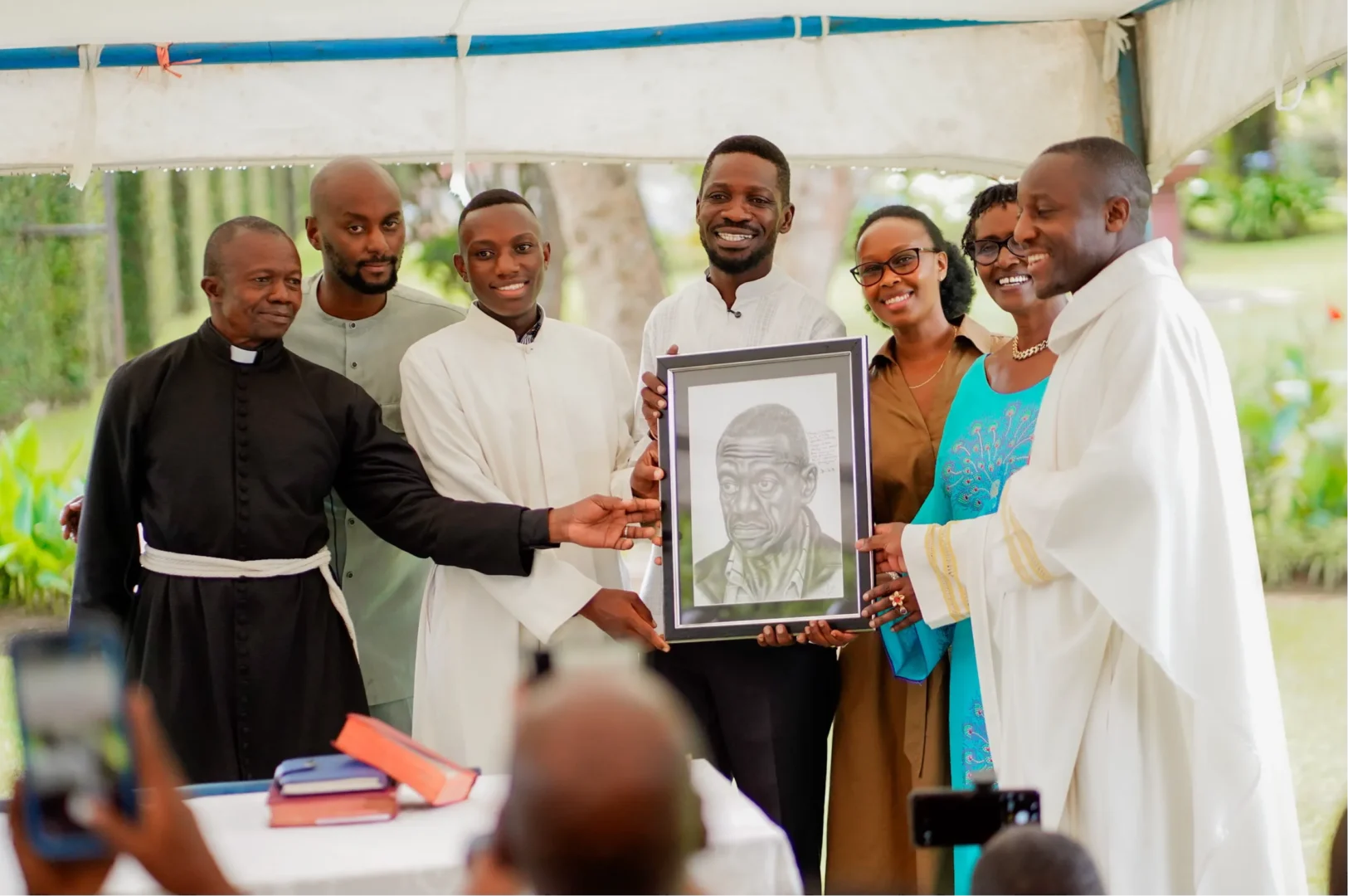
KAMPALA, Uganda — As dark clouds gathered overhead, members of Uganda’s embattled opposition met in prayer at the home of an imprisoned politician Dr. Kizza Besigye, combining defiance with bleak anticipation just days before the January 15, 2026 general election.
The mood reflected deep national tensions. The opposition gathering included both young activists and long‑time critics of President Yoweri Museveni, who has ruled Uganda for more than four decades. At the event on Sunday, Kampala Mayor Erias Lukwago described the coming election as a fundamental struggle.
“All of you are in two categories: political prisoners and potential political prisoners,” he told the assembly.
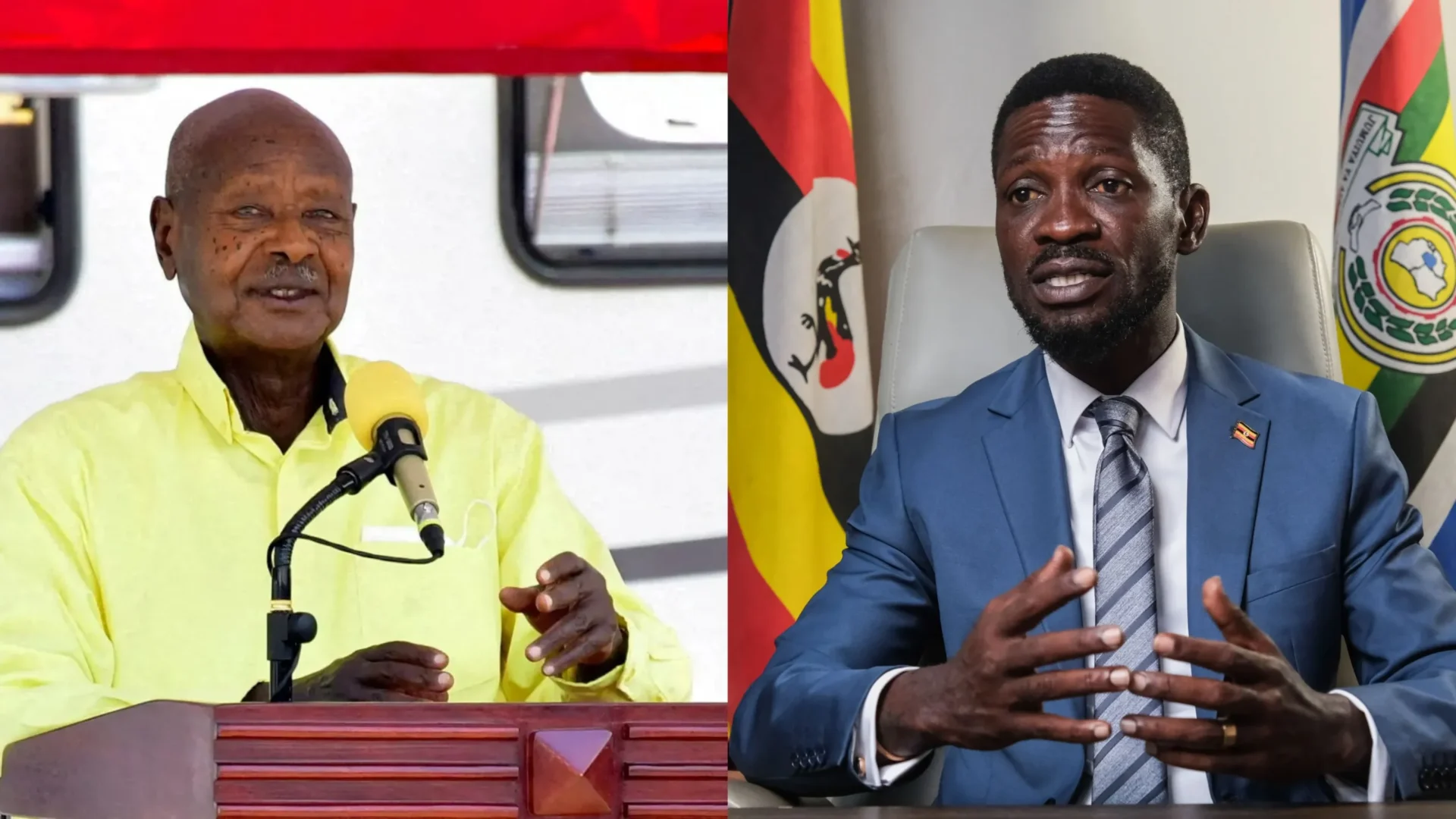
Museveni, 81, is widely expected to secure a further term in office thanks to the ruling National Resistance Movement’s (NRM) near‑total control of state institutions, security services and the electoral process. He first came to power as a guerrilla leader in the 1980s and has maintained a tightly policed grip on the country, critics say.
The latest campaign period has been marked by tensions and violence. Human rights organisations and local civil society groups report hundreds of opposition supporters arrested and at least one fatality, while police have described their actions as efforts to confront “hooligans.”
The main opposition figure, Robert Kyagulanyi Ssentamu, better known as Bobi Wine, is rarely seen in public without a flak jacket and has repeatedly described the campaign as a figurative “war.”
Wine has been arrested multiple times in previous election periods and alleges he was tortured during military detention.
Another key opposition leader, Dr. Kizza Besigye, was reportedly abducted in Kenya in 2024 and transported covertly to a Ugandan military detention facility, where he faces prolonged treason charges. The case remains unresolved and has drawn condemnation from human rights groups in Uganda and abroad.
Sunday’s prayer meeting was hosted by Winnie Byanyima, executive director of UNAIDS and the wife of Mr Besigye. She told Vivid Voice News that Uganda’s political system had only the semblance of democracy.
“We are really a military state,” she said. “There’s total capture of state institutions by the individual who holds military power, President Museveni.”
Security forces and political environment
Academic and civil society observers argue that neutrality is lacking within Uganda’s security forces. Jude Kagoro, a researcher at the University of Bremen who has studied African policing for more than a decade, said many officers see themselves as natural supporters of the incumbent.
“The police officers I have met have never looked at themselves as neutral,” he said.
“Most officers view it as their duty to support the incumbent power, and often require no explicit order to use brute force on opposition rallies.”
Kagoro also described a network known locally as “ghetto structures,” in which security operatives recruit youths in opposition‑leaning areas to disrupt activism and act as informants.
The government was caught off guard when Bobi Wine emerged as a leading voice for urban youth dissent before the 2021 election. The public backlash to his rise prompted heavy-handed responses from security forces.
Kagoro said that since then, the state has worked to strengthen its security infrastructure.
“For the last four‑plus years, they have been building an infrastructure that can withstand any sort of pressure from the opposition,” he said.
“We are used to the military and the police on the streets during elections.”
Opposition voices and repression
With authorities warning citizens to vote and return home immediately, opposition figures say the environment is designed to suppress turnout.
“The regime wants to make people very scared so they don’t come out to vote,” said David Lewis Rubongoya, secretary‑general of Wine’s National Unity Platform (NUP).
There has been a spate of arrests and disappearances in recent months targeting opposition activists, which rights groups say mirrors similar tactics used in neighbouring Kenya and Tanzania.
Also Read: Bobi Wine warns ‘people must rise up’ if 2026 election is rigged
The Human Rights Watch (HRW) and Amnesty International have documented cases of enforced disappearances, arrests of campaign organisers, and restrictions on freedom of assembly in the run‑up to the 2026 election. These organisations have called on the Ugandan government to guarantee basic freedoms and allow credible domestic and international observation.
The price of opposition
For many Ugandans, participating openly in opposition politics has become increasingly risky.
“The price people have to pay for engaging in political opposition has become very high,” said Kristof Titeca, a Uganda specialist at Antwerp University.
“What’s left is a group of core supporters. Is there a grassroots opposition? No, there isn’t. It’s way too dangerous.”
International election monitoring missions from the African Union (AU) and the Commonwealth have indicated plans to observe polling day, but domestic civil society groups report obstacles to accreditation and limited access to rural polling stations.
As Uganda approaches its most contested election in decades, the political landscape remains deeply polarized.
Analysts warn that the aftermath of Thursday’s vote may prove more volatile than the campaign itself, a crucial test for the future of democracy in the east African nation.
