

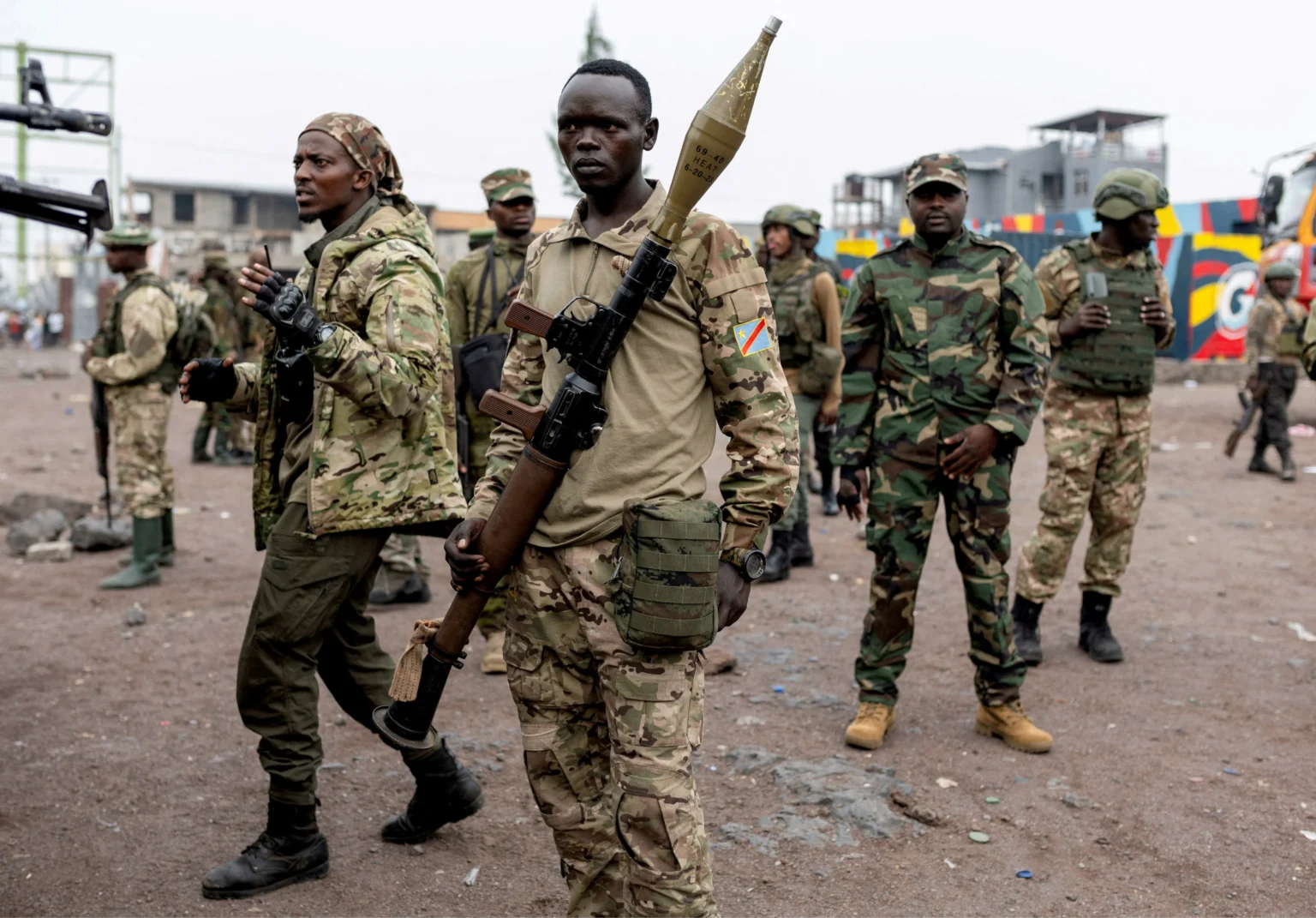
KINSHASA, DR Congo — The M23 rebel group announced a surprise decision on Monday to “unilaterally withdraw” its forces from the strategically critical eastern city of Uvira. The move, coming immediately after severe warnings of U.S. sanctions against Rwanda, suggests a rapid escalation of international pressure aimed at salvaging fragile Great Lakes peace agreements.
The political wing of the M23, the Alliance Fleuve Congo (AFC), issued a statement at 5:00 a.m. on December 15, citing a request from United States mediators as the reason for the pullback.
The AFC framed the withdrawal as a “trust-building measure” intended to give the ongoing Doha peace process the “maximum chance” of success.
The announcement follows days of high-level diplomatic rebuke against Kigali. Senior U.S. officials publicly accused Rwanda of directing the recent M23 offensive that led to the capture of Uvira—a key city near the border with Burundi—earlier this month. Washington had sternly warned that failure to honor commitments made under the U.S.-brokered Washington Accords could result in sanctions.
U.S. Secretary of State Marco Rubio stated over the weekend that Rwanda’s actions in eastern Congo were a “clear violation” of the Washington peace agreement signed earlier in December. He underscored the personal investment of the White House in the matter:
“President Donald Trump would act to ensure promises made to him were kept.”
Deputy Secretary of State Christopher Landau separately condemned the Uvira offensive as a “grave mistake” and warned that the U.S. partnership with Rwanda “could not continue under such conditions.”
This diplomatic pressure has fuelled speculation that Kigali may have instructed the M23 to retreat to avert potential punitive measures, including restrictions on military cooperation and economic sanctions.
Conditions for retreat
In its announcement, M23 demanded the city’s “demilitarisation and deployment of a neutral force” to protect civilians and monitor the ceasefire following their departure.
The group expressed historical concerns that the Congolese army (FARDC) and its allied militias have exploited previous rebel withdrawals to retake territory and target populations perceived as M23 sympathizers.
The M23 urged guarantors of the peace process to ensure protection of the population and infrastructure during the pullback.
Furthermore, the rebel group emphasized its commitment not to allow “armed groups hostile to Burundi or the Congolese government to use areas under its control as rear bases for cross-border attacks,” addressing a key security concern recently raised by Burundi following the city’s capture.
Rwanda’s alleged troop deployment
The M23 retreat comes amid increasing international focus on Rwanda’s presence inside the DRC.
U.S. representative Mike Waltz told the United Nations Security Council last week that the M23 assault on Uvira was coordinated with Rwandan forces.
Waltz estimated that between 5,000 to 7,000 Rwandan troops were present in Congo as of early December, with potential increases noted during the recent advance.
Also Read: Rwanda-backed M23 rebels capture strategic DR Congo city amid crumbling peace deal
“For years now, the Rwanda Defence Forces have provided materiel, logistics and training support to M23, and have fought alongside them inside the DRC,” Waltz said.
He further detailed that Rwanda had deployed “surface-to-air missiles and other sophisticated heavy weaponry” into North and South Kivu, a deployment he argued significantly altered the military balance in favor of M23.
While Congo and U.N. experts allege Rwanda provides military support to M23, Kigali consistently denies the claims, asserting it acts solely in self-defence against hostile militias operating from Congolese territory.
The timing and manner of the M23 withdrawal remain unclear, and the Congolese government has not yet issued an official response.