


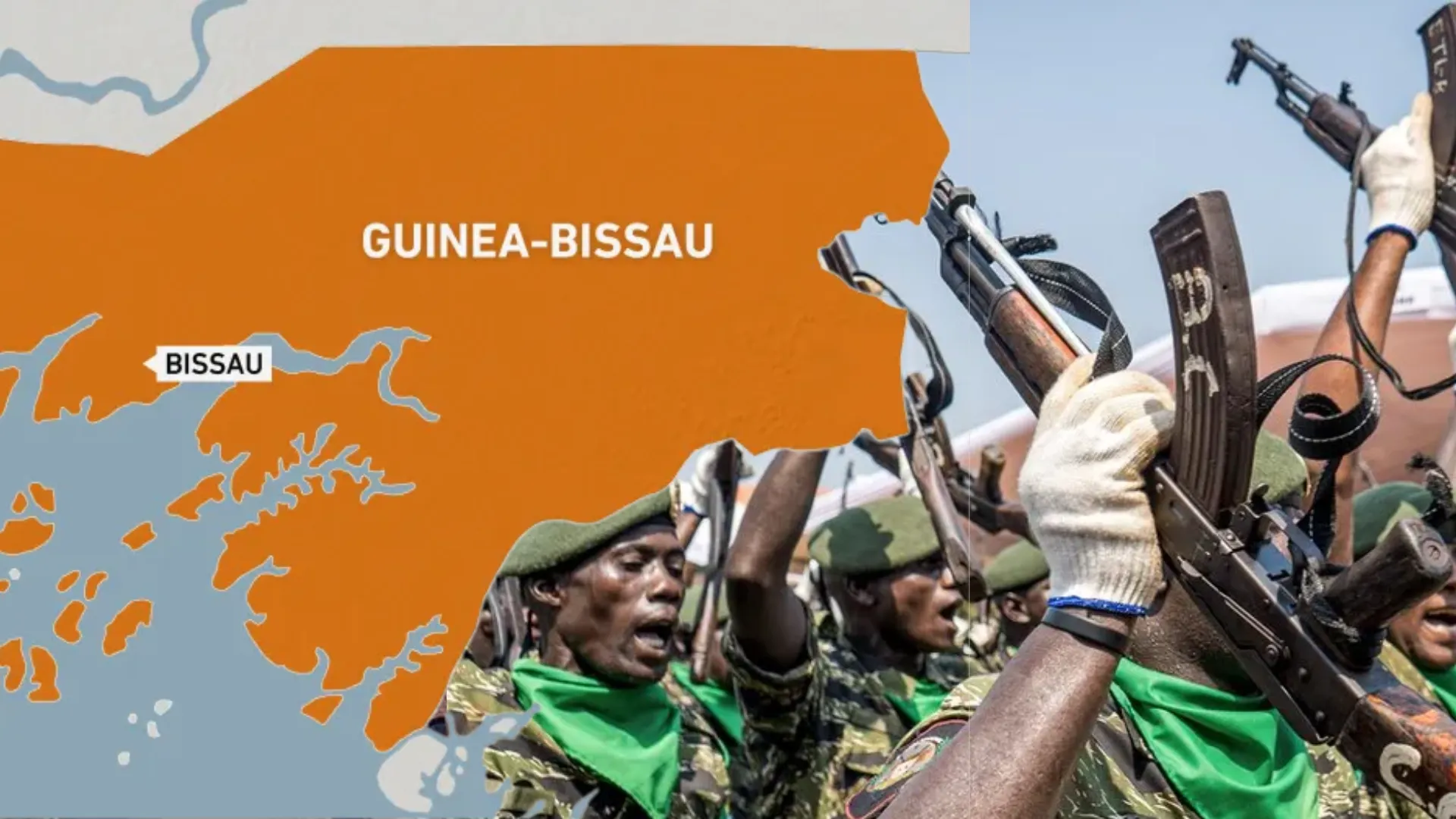
BISSAU, Guinea-Bissau — A group of military officers in Guinea-Bissau announced they have seized control of the West African nation, shortly after reports emerged that President Umaro Sissoco Embaló had been arrested.
The military officers appeared on state television to declare the suspension of the electoral process and stated they would be in charge of the country until further notice.
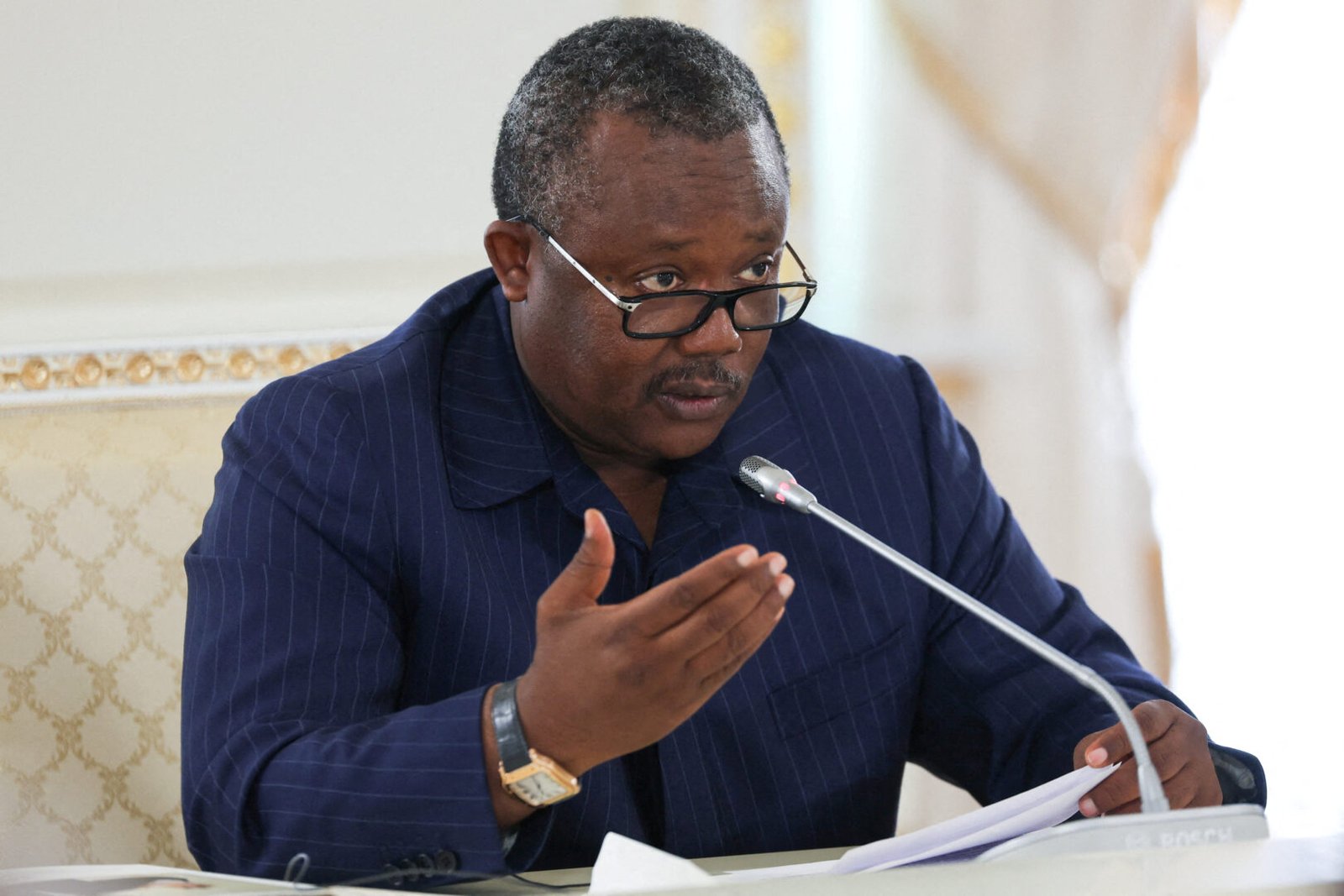
Confirming his removal late on Wednesday afternoon, President Embaló spoke to France 24 in a brief phone call:
I have been deposed.”
Details of the takeover
The military action commenced around 13:00 GMT with reports of gunfire heard throughout the capital, Bissau.
Witnesses described hundreds of residents fleeing on foot and in vehicles to seek shelter as the shooting rang out, though immediate details on casualties were unavailable.
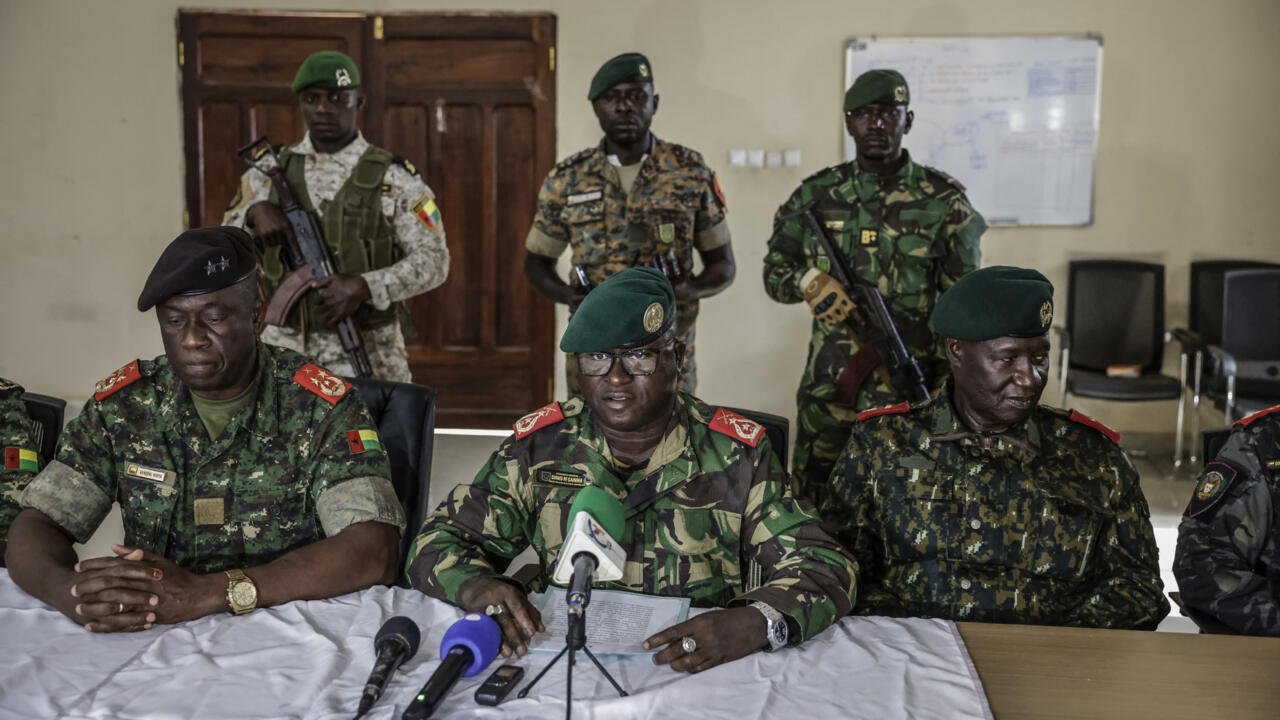
General Denis N’Canha, identified as the head of the military household at the presidential palace, subsequently read a statement on state TV officially declaring the military takeover.
He announced the formation of “the High Military Command for the Restoration of Order” and confirmed the closure of the country’s borders, instructing the population to “remain calm.”
In addition to President Embaló, reports indicate that his army staff and several government ministers have also been detained.
Electoral tensions and instability
The coup comes as Guinea-Bissau was anticipating the official results of Sunday’s presidential election, which were scheduled to be released on Thursday.
The election had been marked by controversy, including the disqualification of the main opposition candidate. Both Embaló and his closest rival, Fernando Dias, had preemptively claimed victory.
Also Read: Guinea’s coup leader enters presidential race, breaking promise to cede power to civilians
Guinea-Bissau, home to just under two million people and ranked among the world’s poorest nations, has a history marred by political instability. Since gaining independence from Portugal in 1974, the country has endured nine coups or attempted coups.
President Embaló himself has previously claimed to have survived multiple attempts on his authority during his term, although critics have long alleged that he fabricated crises to suppress political dissent.
The UN has also labeled the nation a “narco-state” due to its strategic role as a major transit hub for trafficking cocaine from Latin America to Europe.
