


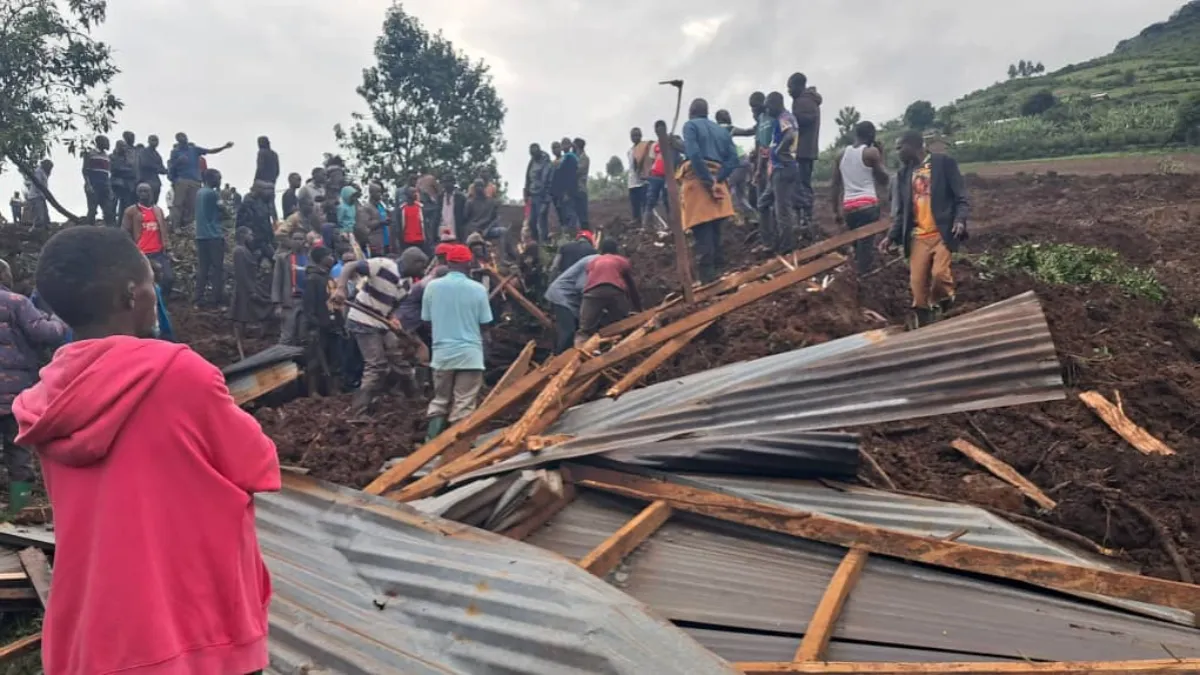
BUKWO, Uganda — Heavy rains that began late Friday night have unleashed deadly floods and landslides across parts of Uganda’s Mount Elgon sub-region, with at least fifteen people now feared dead and hundreds displaced.
Rescue teams were deployed early Saturday after fast-moving waters overwhelmed rivers, destroyed homes, and cut off roads connecting remote communities.
Regions hardest hit include Kapchorwa, Kween and Bukwo districts.
In Bukwo’s Chesower sub-county, one landslide claimed the lives of three children from the same family.
District disaster officials caution that the death toll may still rise as search operations continue in areas inaccessible by road or air.
“We are still assessing remote valleys and villages where communications are down,” said a representative of the Uganda Red Cross (URC).
Widespread damage and urgent relief efforts
In Kapchorwa District, flooding in Binyiny and Kapsokwony sub-counties destroyed several homes and swept away livestock and farmlands.
Families have been evacuated to temporary shelters in schools and community centres.
Bukwo District also reported devastating landslides in Bukwo Town Council, further isolating neighbouring villages after roads were cut off.
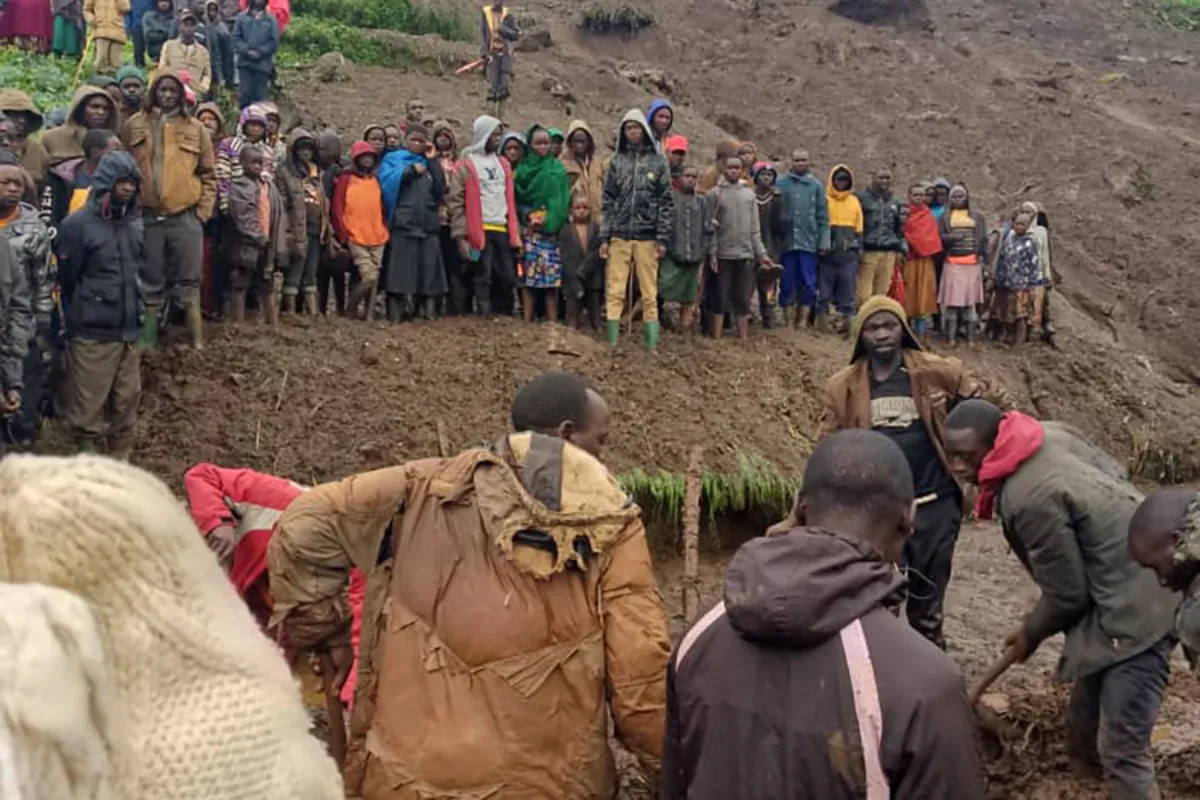
The National Emergency Coordination and Operations Centre (NECOC) is leading the government response, working closely with the Uganda Red Cross and local district officials to distribute emergency supplies including 10 tons of maize, 10 tons of beans and 100 tarpaulins.
Also Read: Kenya’s weatherman warns of flu and pneumonia spike as cold season begins
Residents in designated high-risk zones have been urged to relocate immediately. “We cannot wait for another rainy episode to strike these slopes,” said a state minister in Parliament.
The disaster has further disrupted vital infrastructure: the Suam Bridge border crossing to Kenya is now impassable after the Suam River burst its banks, cutting off access to markets and relief supplies.
Climate-risk districts and persistent hazards
This tragedy comes as the Mount Elgon region once again faces its recurring climate-driven vulnerability.
Experts highlight how heavy rainfall, steep terrain and inadequate drainage systems create a hazardous environment each rainy season.
What’s next?
Authorities say assessments will continue for the coming days and are considering long-term relocation programmes for the most vulnerable communities.
In the meantime, rescue efforts remain hindered by inclement weather and blocked access routes.
