


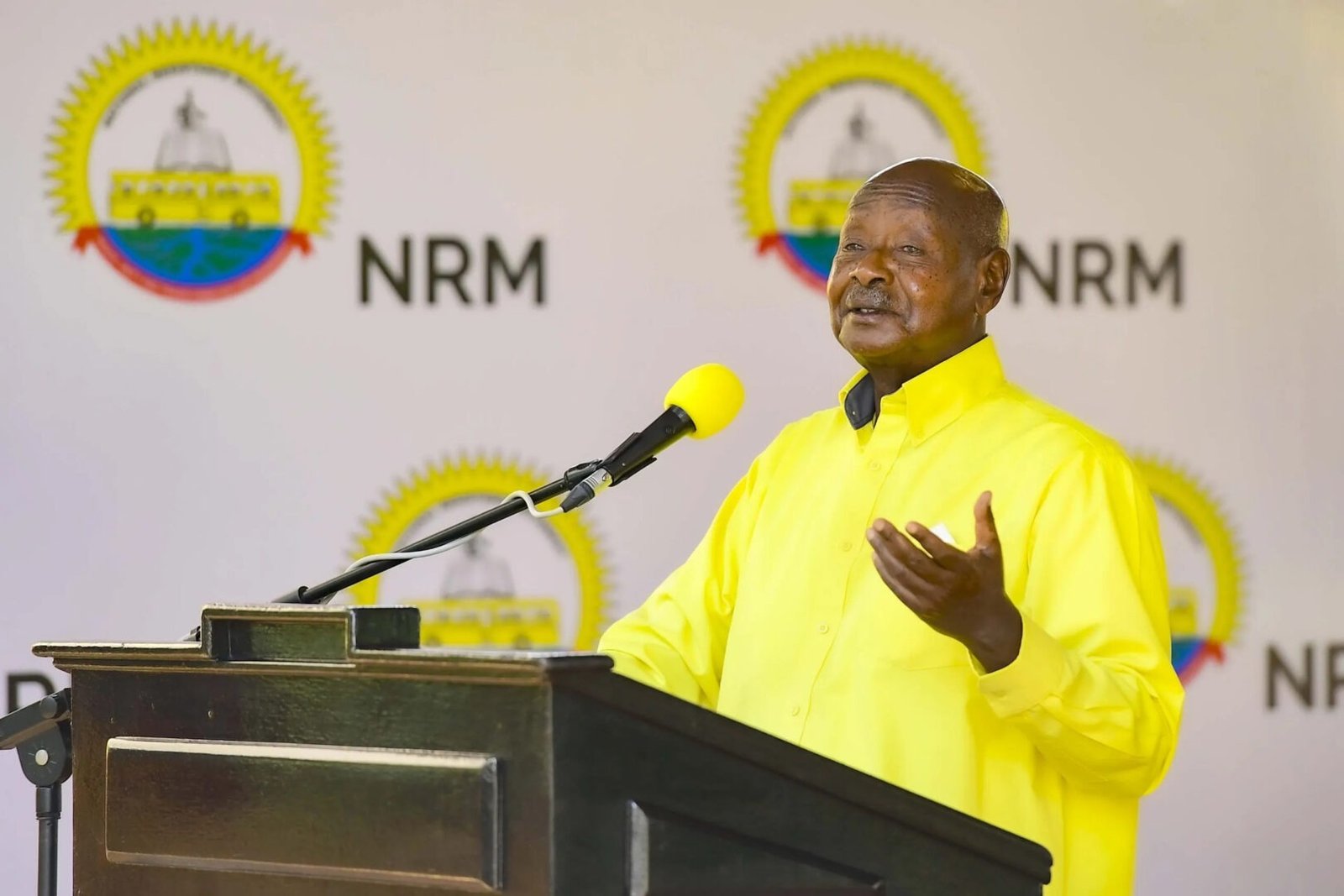
KAMPALA, Uganda — The official launch of Voice of Kampala FM, widely branded as “NRM Radio,” has reignited debate about media independence in Uganda, with analysts warning it could deepen political polarization ahead of the 2026 elections.
The station, openly aligned with the ruling National Resistance Movement (NRM), has been promoted as a platform for government policy communication, youth mobilization, and national development debates.
According to internal sources, Voice of Kampala FM will focus on broadcasting news, policy updates, music, and talk shows centered on national development themes through an NRM lens.
Supporters argue it will help the ruling party connect directly with citizens. Critics, however, see it as another step in the shrinking space for neutral journalism.
Although entrepreneur Nyanzi Martin Luther, linked to the station’s establishment, insists he is “not political,” questions remain about the funding and ownership structure.
“I am not a political person,” Nyanzi said. “I support all sides equally. My goal is to provide platforms for communication — not to take sides.”
Civil society groups have long warned that lack of transparency in politically affiliated media raises concerns about state resources being used to fund party messaging.
“This station may help the ruling party communicate its agenda more directly,” said political analyst James Lwanga, “but it also raises questions about access, funding, and whether such platforms will tolerate diverse or critical viewpoints.”
The Uganda Communications Commission (UCC) has not yet commented on the station’s licensing process, sparking debate about regulatory impartiality.
Legal experts note that under Ugandan law, broadcasters are expected to provide balanced coverage, especially during election seasons.
Whether a station explicitly aligned with a ruling party can meet that standard remains uncertain.
Uganda has witnessed increasing political influence over media outlets in recent years. Independent broadcasters and journalists have faced suspensions, intimidation, and regulatory hurdles, while pro-government platforms have flourished.
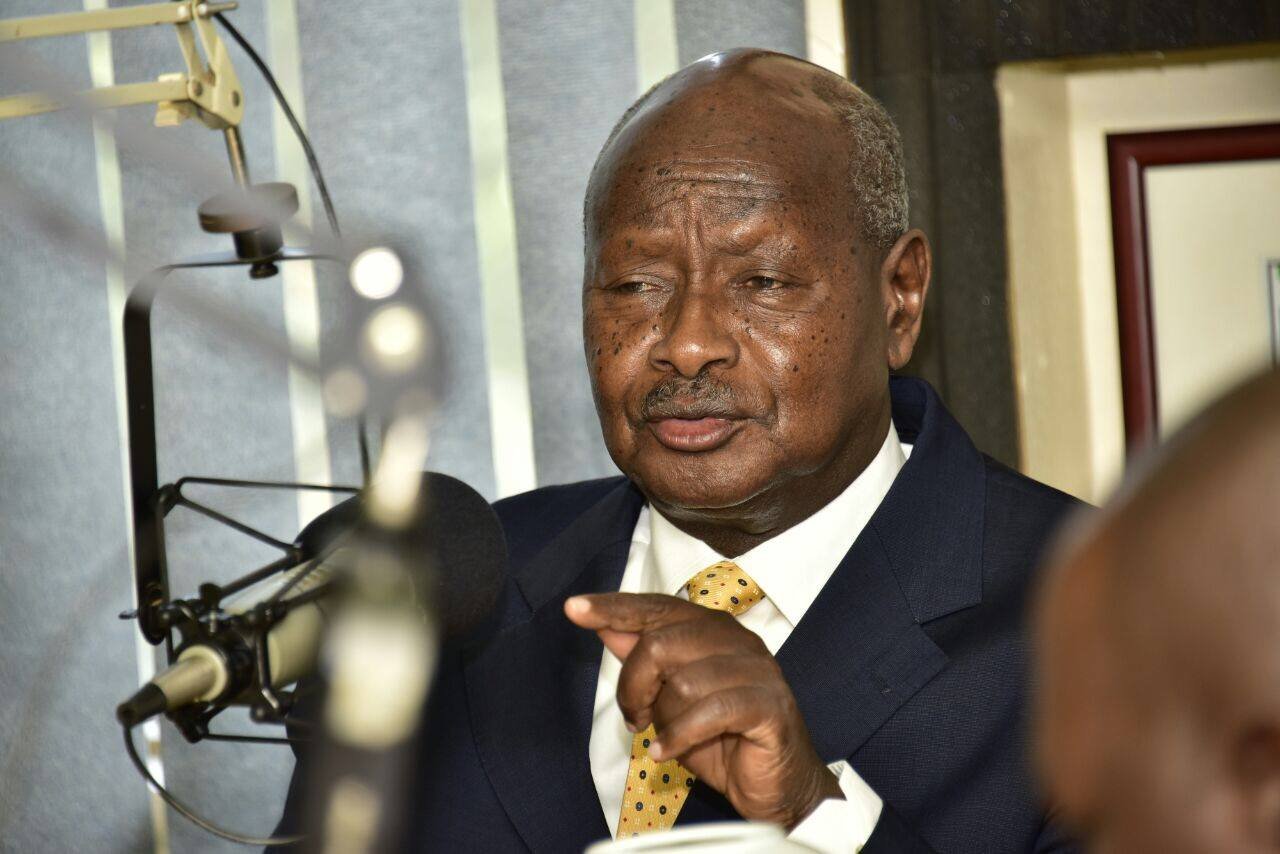
“This development is part of a wider trend of media capture in Uganda,” said a Kampala-based press freedom advocate who requested anonymity. “Stations like this narrow the space for dissenting voices and weaken the watchdog role of journalism.”
Uganda’s situation mirrors wider global patterns where ruling parties use broadcast media to entrench political control.
Similar dynamics have been observed in Tanzania under the late John Magufuli and in Russia, where state-aligned broadcasters dominate.
Analysts warn that such trends undermine citizens’ ability to access diverse viewpoints, particularly in pre-election periods.
Also Read: NRM youth launch ‘Gen Z for Gen 7’ campaign to promote peace ahead of 2026 elections
Reactions in Kampala have been mixed. NRM supporters welcome the station as “long overdue,” arguing that opposition voices already dominate certain platforms.
Others, particularly young urban Ugandans, question whether a partisan station can be trusted to provide balanced reporting.
Uganda ranked 132 out of 180 countries in the latest Reporters Without Borders World Press Freedom Index, reflecting a challenging environment for independent media.
The arrival of NRM Radio may further tilt the landscape as Uganda heads into a politically charged cycle of debate and reform.
For now, Voice of Kampala FM has added a powerful new voice to Uganda’s airwaves, but one that could either inform citizens or reinforce divisions, depending on how it navigates the line between political messaging and journalistic responsibility.
