


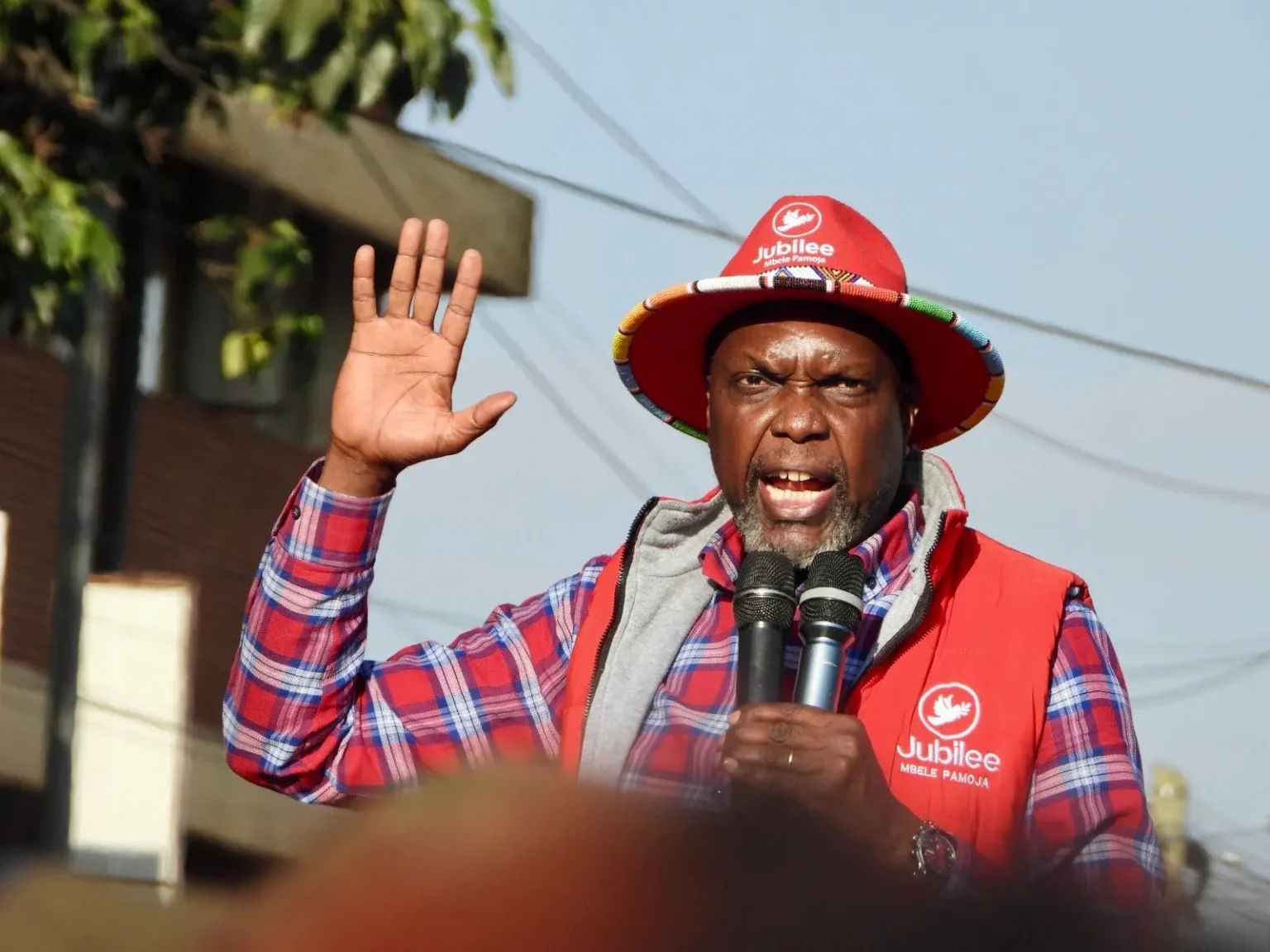
NAIROBI, Kenya — Former Ndaragwa MP Jeremiah Kioni has resigned from the Jubilee Party, bringing an end to an 11-year political association with the former ruling outfit at a critical moment in its preparations for the 2027 General Election.
Kioni, who served as Jubilee’s Deputy Party Leader, announced his immediate departure in a resignation letter dated Wednesday, November 25, and addressed to Acting Party Leader Fred Matiang’i. The letter was released publicly on Thursday, November 26.
In his statement, Kioni described his time in Jubilee as a defining chapter of his political life, shaped by electoral victories, internal challenges and the responsibilities of party leadership.
“It has been eleven years, a long road, a defining one, and one I would walk again,” he wrote, reflecting on the opportunities the party had given him to participate in national politics.
He said Jubilee had provided him with a political home and a platform to serve Kenyans, but indicated that he was now ready to pursue a different direction.
Kioni reserved special recognition for former President Uhuru Kenyatta, thanking him for his leadership, mentorship and personal friendship throughout their years in the party.
He described their relationship as one that had extended beyond political office, saying the bond would remain meaningful even as their respective political roles changed.
“Politics comes and goes with the seasons, but a bond of this kind endures long after titles are laid down,” he said, wishing Kenyatta good health, peace and a long life.
Kioni’s departure follows Jubilee leadership changes
Kioni’s resignation comes amid a significant transition within Jubilee, which has been reorganising its leadership and attempting to rebuild its political standing ahead of the next general election.
Kenyatta, who led the party during its years in government, handed over its formal leadership to Matiang’i in September 2026. The former president said he would remain a party member and continue offering guidance as a senior adviser.
Matiang’i has since emerged as Jubilee’s leading presidential figure as the party seeks to strengthen its structures and establish itself within the opposition.
Kioni was among the senior officials involved in Jubilee’s leadership and organisational affairs. He served as Secretary-General for approximately four years before being appointed Deputy Party Leader in January 2026, following a restructuring that also saw changes to the party secretariat.
His departure is particularly significant because he had been closely associated with the party’s internal leadership debates, including discussions about its future direction and succession after Kenyatta.
In the days preceding his resignation, Kioni had publicly expressed dissatisfaction with his position in the party, suggesting that he felt sidelined in Matiang’i’s political engagements.
Also Read: Uhuru signals willingness to hand over Jubilee Party leadership after court ruling
He had previously indicated that he expected to work alongside Matiang’i, with the latter concentrating on his presidential ambitions while he helped strengthen the party’s organisational structures.
His exit now raises questions about the extent of internal disagreements within Jubilee and whether other officials or supporters could reconsider their positions as the party prepares for its next phase.
A new political platform ahead of 2027
Kioni has made clear that leaving Jubilee does not mean abandoning politics.
In his resignation letter, he signalled plans to launch another political platform, although he did not disclose its name, structure, launch date or whether it would operate as a new political party or take another form.
The announcement leaves open questions about his intended political alliances and the constituency he hopes to mobilise as Kenya moves closer to the 2027 elections.
For a politician with experience in party administration and parliamentary politics, establishing a new platform would present both opportunities and challenges.
Building a viable political organisation requires more than public visibility: it involves recruiting credible candidates